Control Resonant stunning visuals at low settings
For years, many dedicated PC gamers have operated under a strict philosophy: the lowest graphics setting is a concession, an exception reserved only for the most budget-constrained systems or the most graphically demanding titles. After 25 years immersed in the world of PC gaming, this snobbery tends to lead to a refusal to ever turn those settings down.
That philosophy took a serious hit recently, however. A recent deep dive into the visual and performance capabilities of Control Resonant has completely shifted the paradigm. It turns out that there is something genuinely remarkable happening when you dial the graphics settings way down, revealing a level of aesthetic beauty that often gets lost in the glare of ultra settings.
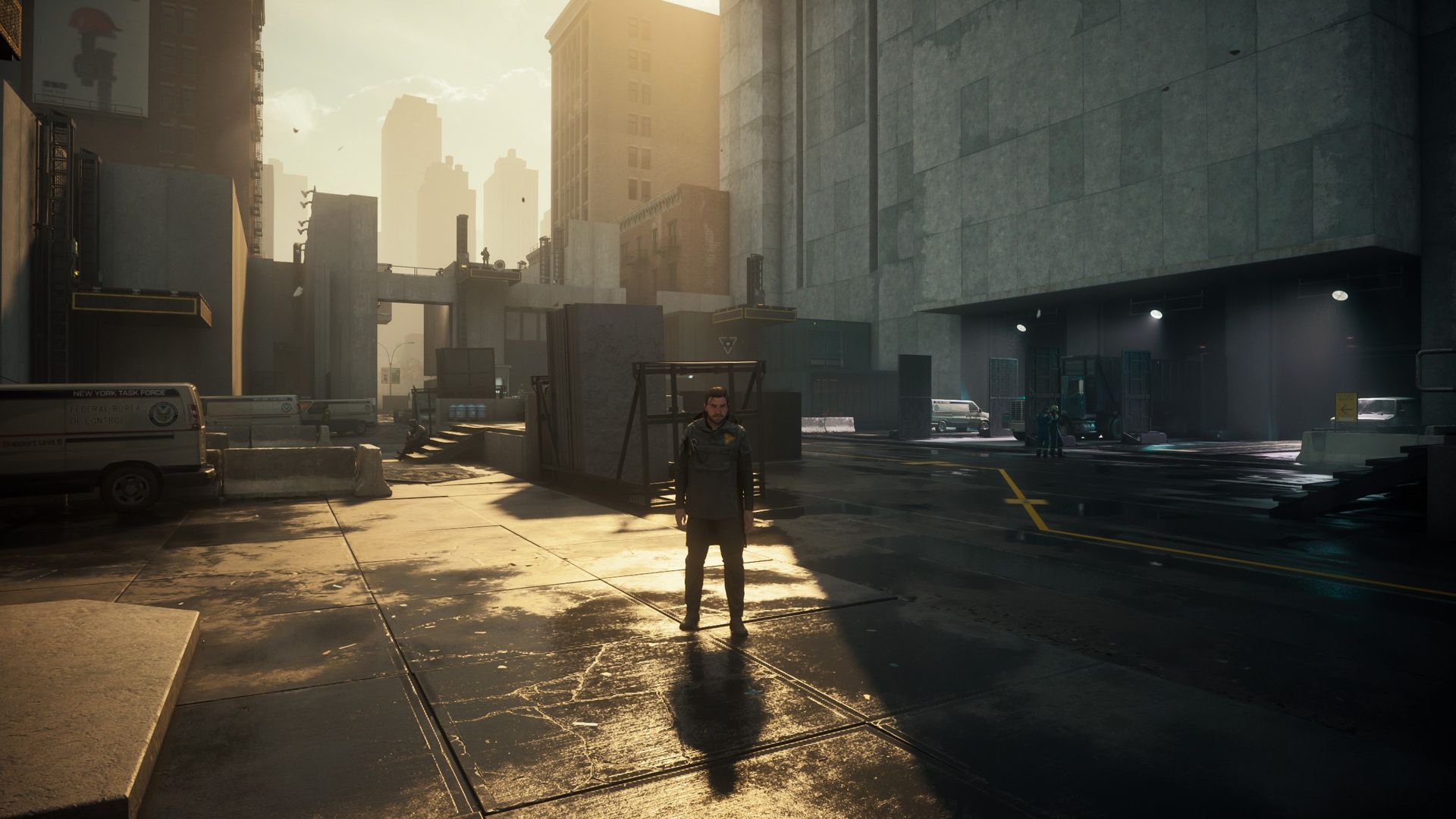
Testing the open world at minimum settings, with ray tracing disabled, showed that the game doesn’t just sacrifice quality; it delivers a strong, compelling art style. The defining elements—the distinct architectural details, the dramatic contrast between light and shadow as you move through the environment, and the shimmering puddles—remain sharp and evocative. It’s a testament to how smart design can transcend raw graphical horsepower.
The atmosphere is particularly striking. Even when the background elements are intentionally softened by haze to enhance the mood, they work beautifully with the lighting to create an incredibly atmospheric effect. This demonstrated a powerful sense of scale, proving that visual grandeur isn’t solely dependent on texture resolution.
Beyond the static visuals, the game excels in environmental reactivity. <Control Resonant> uses its semi-destructible world elements brilliantly, tossing fragmented debris into the wake of movement and mid-combat. This dynamic interaction keeps the gameplay engaging, demonstrating that the sense of action and impact is preserved, even when performance is managed.
This capability offers massive relief for gamers with less-than-top-tier hardware. While some cutscenes may display lower-resolution textures, the experience during actual gameplay remains remarkably smooth and visually satisfying. This suggests that the current generation of games is pushing boundaries where performance and visual quality can coexist beautifully, rather than existing in a rigid dichotomy.
In fact, some observers are now arguing that this trend should be the norm. The evidence suggests that we are entering an era where reasonable low settings are not a compromise but a feature, allowing players to experience high-quality, dynamic worlds without demanding hardware. It makes one wonder if established titles, like Halo: Campaign Evolved, are just waiting for the permission to embrace this philosophy.
Ultimately, the takeaway is clear: when it comes to creating immersive, dynamic worlds, beauty is found not just in the highest resolution, but in the masterful execution of light, shadow, and environmental interaction. With the current cost of graphics cards, it’s time to stop avoiding the lower settings and start celebrating the performance and beauty that lies right beneath the surface.
Buy on Amazon
Credit
