Project Zeta flips the MOBA genre for a more accessible and less toxic experience
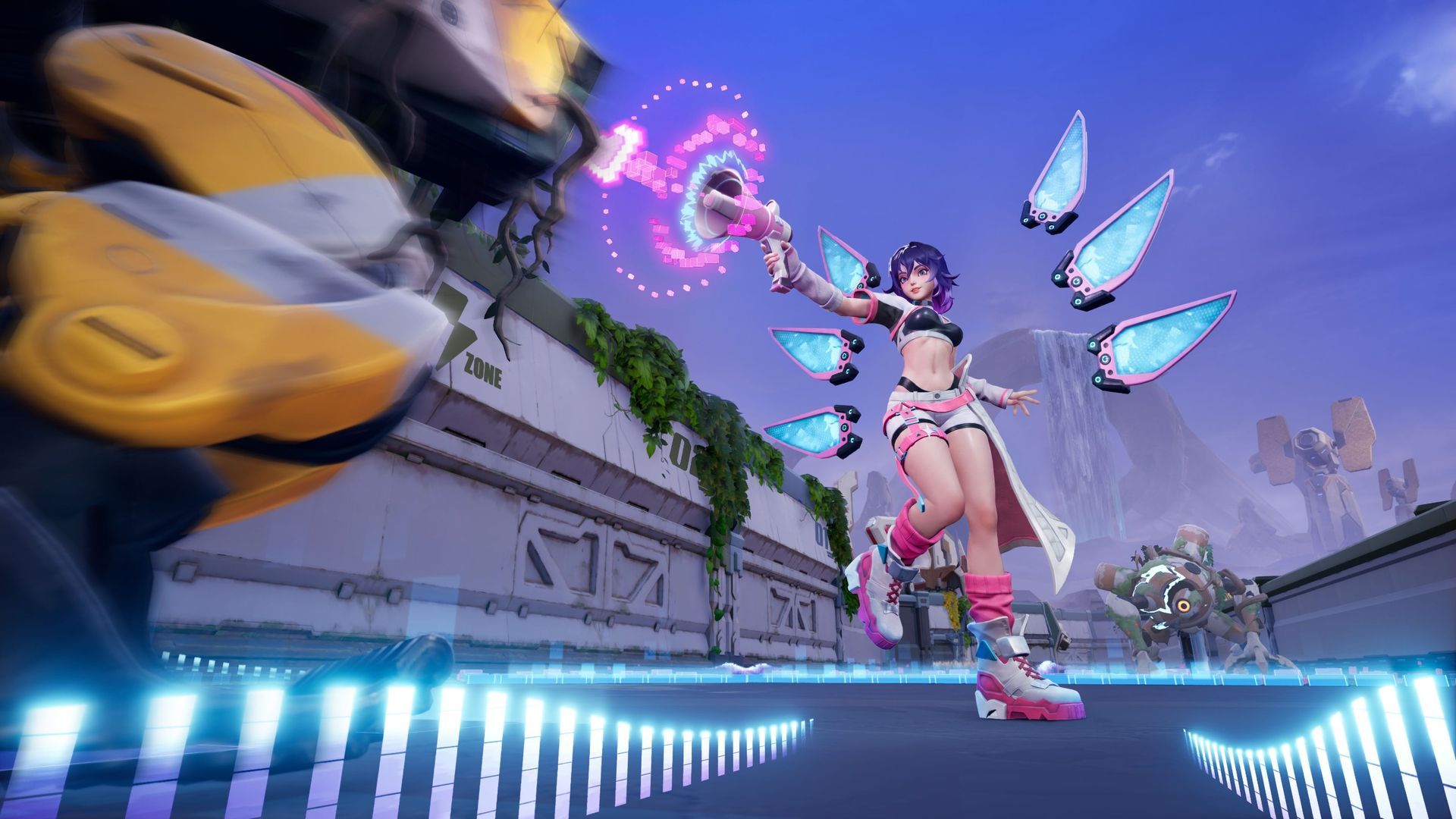
The world of Multiplayer Online Battle Arenas (MOBAs) often comes with a steep learning curve and a reputation for finger-pointing. For many, the environment can feel more like a frustrating debate than a thrilling competitive spectacle. But a new vision is emerging, promising to toss out the old playbook and redefine tactical arena combat entirely.
Enter Project Zeta, a concept developed by industry veterans at NIRVANANA and published by Krafton, set to shake up the genre by abandoning traditional lane-based play for a high-intensity, multi-team experience. The pitch? Imagine dropping MOBA heroes straight into a Formula One race.
Project Zeta throws four teams of three players onto the Aran Plateau for breathless, roughly twenty-minute matches. The biggest structural change is the complete elimination of the laning phase. Instead of slow, static farming, players are immediately thrust into the action, grappling with the environment and battling for objectives.
The map is designed to be alive from the jump. Matches are broken down into active phases where teams must hunt down Prism bosses, snatch valuable Prisms, and haul them to the central ballast to score. The goal is simple: be the first team to secure five Prisms and claim victory.
This shift in structure is not just about the map; it’s about psychology. By spreading the competition across multiple teams, developers aimed to shift frustration away from internal team arguments and onto the rival squads, fostering a new kind of competitive spirit.
Pacing is equally revolutionary, thanks to a death system that encourages continuous momentum rather than passive stalling. Project Zeta features unlimited respawns and manual teammate revivals, ensuring that high-stakes action never grinds to a halt. Furthermore, the game introduces the Fighting Spirit mechanic: when a team wipes out an enemy squad, they are instantly rewarded with restored health, refreshed cooldowns, and revived teammates. This system encourages spectacular plays, such as the sought-after Deca-kill, and has earned reviewers the nickname of the “espresso MOBA,” a sharp contrast to the slower “Americano” style of its predecessors.
In the pursuit of pure, high-intensity combat, the team also made aggressive cuts. After playtest feedback, the developers shrunk the map to a third of its original size and reduced the team count from five to four. These changes were intentional, designed to eliminate dead space and force non-stop, high-octane scrapping.
Beyond the gameplay, Project Zeta prioritizes accessibility. Built from the ground up, the game offers seamless cross-play between PC and PlayStation 5, making it feel smooth and responsive on controllers without relying on complex keyboard macros. This focus on universal access is critical for bringing the game to a wider audience.
The vision for Project Zeta is far from static. Developers plan to keep the meta fresh by regularly introducing new heroes, terrain shifts, and evolving boss patterns, ensuring that the competitive landscape remains dynamic. Targeting an early access launch in late 2026, Project Zeta is positioning itself not just as a game, but as a potent force ready to redefine what tactical arena combat can be.
Buy on Amazon
Credit
