EA Sports boss now runs all of EA
The gaming world just witnessed a seismic shift at Electronic Arts, as the company is now officially owned by Saudi Arabia. This monumental acquisition isn’t just about ownership; it signals an era of transformation that promises to redefine how the industry operates.
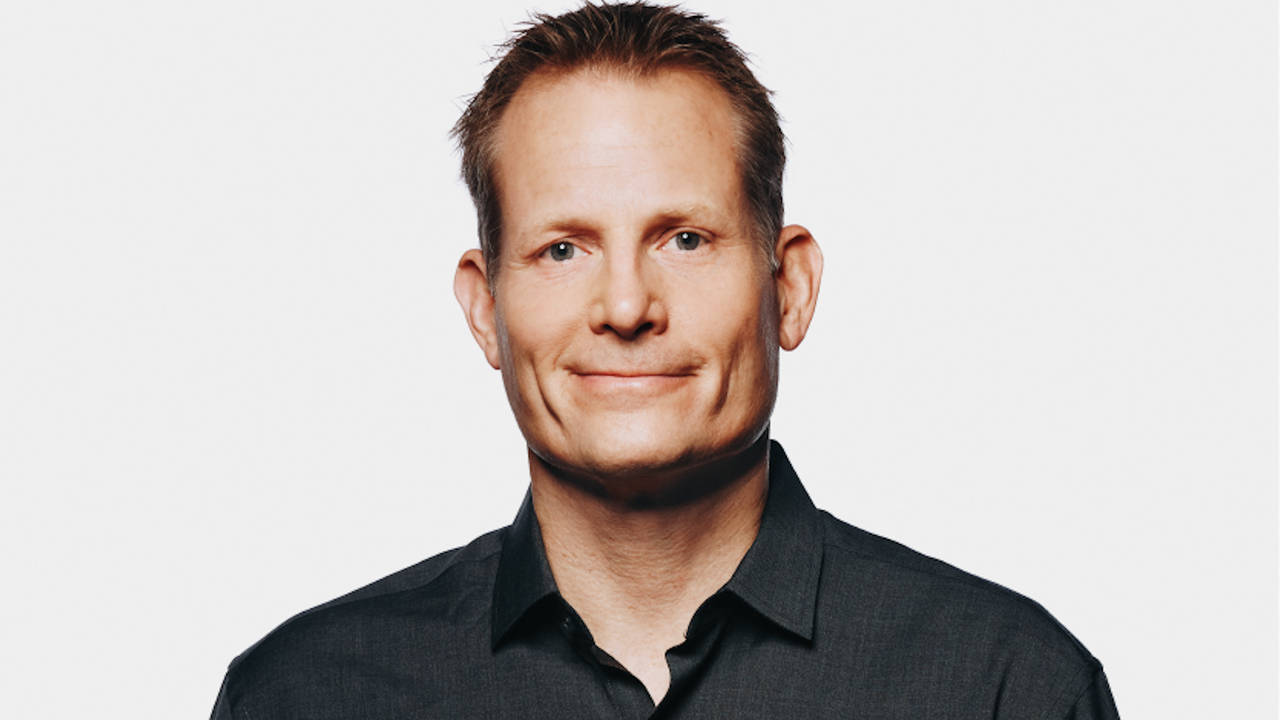
At the helm, CEO Andrew Wilson has immediately reshaped the executive team, installing leadership changes designed to steer EA into its next exciting chapter. Former EA Sports president Cam Weber has been appointed as President and Chief Studios Officer, bringing deep experience from the heart of competitive gaming. Meanwhile, David Tinson, previously overseeing crucial marketing and communications functions as Chief Experiences Officer, steps up in the role of President and Chief Operating Officer.
When discussing this transition, Wilson painted an optimistic picture, emphasizing that EA is entering “one of the most exciting and transformative moments our industry has ever seen.” He framed the future not just as technological advancement but as a pure testament to human ingenuity—a belief that creativity and courage will continue to shape unforgettable experiences.
This philosophical optimism conveniently overlooks the looming business realities. While the rhetoric is soaring, the underlying financial reality involves managing billions in debt tied to the deal. This necessitates bold execution, which naturally includes expectations for significant restructuring.
Central to this new phase is the embrace of artificial intelligence. Industry insiders anticipate that the new ownership will heavily invest in leveraging AI to enhance game development and elevate the player experience. This isn’t just a buzzword; it’s the engine driving EA’s future innovation, promising entirely new doors for creativity.
However, this pursuit of innovation comes with consequences. With massive financial obligations looming, observers expect that the push for efficiency will translate into significant workforce adjustments. The expectation is that massive layoffs are likely as the company navigates the debt and reorients its strategy.
The leadership shift also hints at a strategic pivot. Placing a figure steeped in EA Sports leadership into a key studio role suggests an intensified focus on established, dominant franchises like EA Sports FC and Battlefield. This move could signal a tightening of the spotlight, focusing resources intensely on maximizing the success of these core titles while re-evaluating smaller-scale ventures.
Ultimately, EA is standing at an inflection point: balancing visionary AI-driven development with complex financial management and necessary structural change. It’s a high-wire act, but with a new leadership team ready to steer the ship toward whatever unforgettable experience comes next.
Buy on Amazon
Credit