Valve finishes Steam Frame with Lepton and FEX
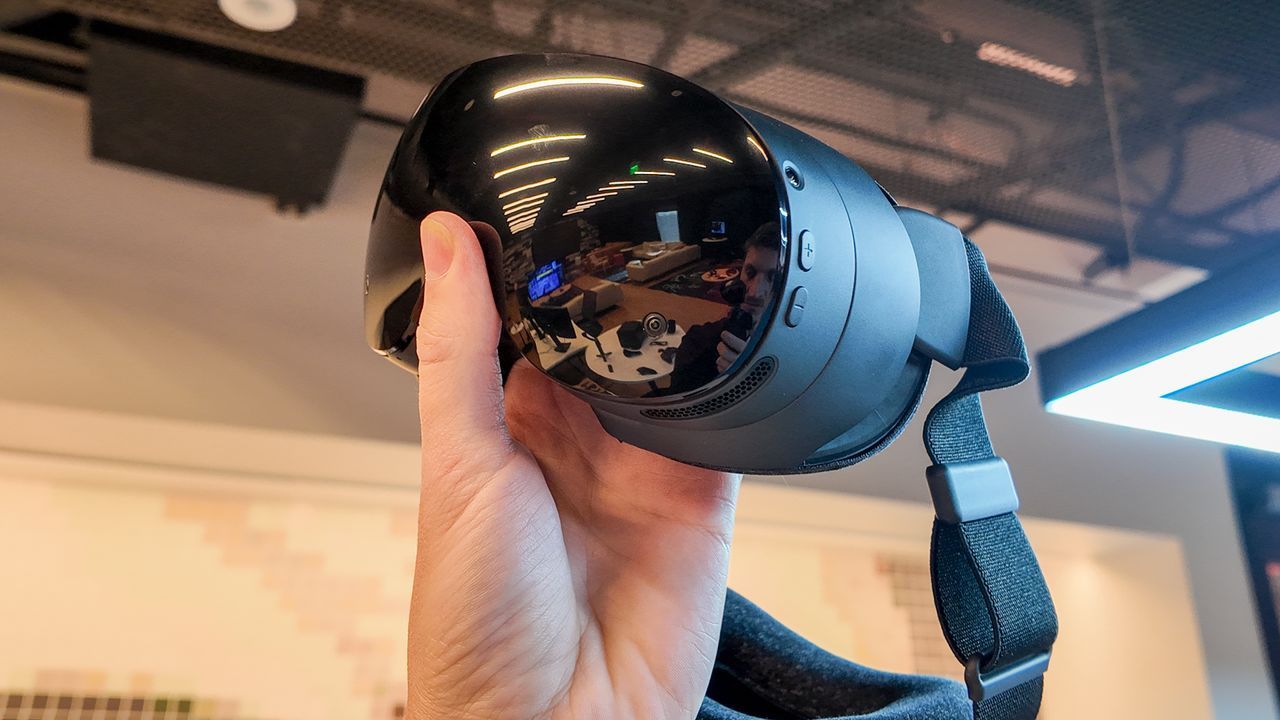
The future of wireless virtual reality is buzzing, driven by ambitious projects aiming to redefine how we interact with gaming hardware. At the center of this excitement is Valve’s Steam Frame, a wirelessly enabled VR experience that fans are eagerly anticipating, even if a definitive release date remains elusive.
While the exact timeline for Steam Frame is still floating toward “later this year,” the true momentum lies in the underlying technology that makes the vision possible. This groundwork is being laid by open-source tools like Lepton and FEX, which are already publicly available to developers.
Lepton acts as a crucial container, offering a way for gaming on Linux to host Android games. Complementing this is FEX, a more complex translation layer designed to bridge the technological gap. Since Steam Frame relies on an Arm-based Snapdragon System on a Chip (SoC), FEX is essential; it translates traditional 32-bit and 64-bit x86 games so they can be properly understood by these new Arm-based systems.
This open access significantly benefits the development community. For instance, Android developers can now easily package an APK file for their games onto Steam, making them purchasable on the platform—a move that simplifies the process of running native Android content within the Valve ecosystem.
Beyond the specific VR project, this focus on Arm architecture is proving to be a major disruptive force in the wider hardware landscape. While Valve is investigating an Arm-based gaming future, other giants are already making significant strides. Nvidia, for example, recently unveiled the RTX Spark superchip, which pairs an Nvidia GPU core with a MediaTek Arm chiplet, signaling a clear trajectory toward Arm-powered laptops and systems capable of pushing high-performance gaming.
Although the ultimate cost-effectiveness of these new architectures is still being assessed, their presence in high-end computing is undeniable. The integration of flexible, powerful processing units like those found in the RTX Spark ecosystem suggests that the shift to Arm is poised to be a defining factor in where future gaming technology heads.
Buy on Amazon
Credit