Linux for Genesis and MegaDrive: Ported to 23MHz processors
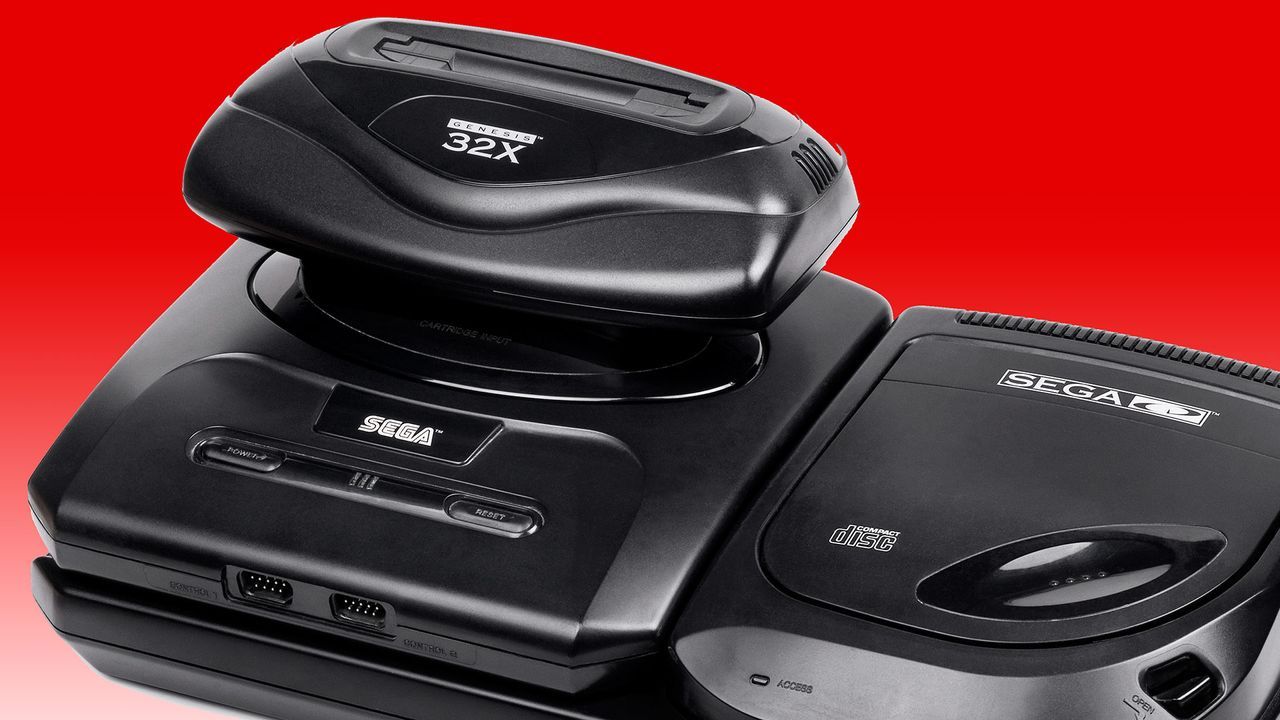
The quest to breathe modern operating systems into obsolete hardware is one of the most captivating endeavors in retro-computing. This fascination is embodied by developers who treat forgotten consoles not as museum pieces, but as challenging, exploitable systems ripe for reinvention.
One such journey began with an ambitious effort to bring Linux to the Atari Jaguar in 1993. While the project faced its own set of difficulties, it established a precedent: that even the most constrained legacy systems can be coaxed into running sophisticated code. This spirit then carried forward to the next generation of Sega consoles.
The focus shifted to the Sega 32X, Sega’s mid-generation response to early fifth-generation challengers like the Jaguar and 3DO. The 32X was a muscular piece of hardware, adding potent processing power to the Mega Drive/Genesis ecosystem. It boosted the system with Hitachi SuperH CPUs (SH2) and expanded RAM, pushing graphics capabilities to offer viewers an unprecedented color palette and the introduction of new 3D elements in mainstream console gaming.
However, simply installing software is one thing; making it work is another. Getting Linux running on the 32X presented a formidable series of technical roadblocks. Developers faced hurdles ranging from severe memory constraints and the lack of necessary hardware synchronization primitives to issues with Simultaneous Multi-Processing (SMP) across the SH2 CPUs. Furthermore, navigating the limitations of the console architecture—including lack of direct UART access and scheduler bugs—demanded immense ingenuity.
Despite these steep obstacles, persistence prevailed. Success in wrangling this specialized software relied on leveraging a network of open-source tools and shared resources. Developers utilized specific devkits, collaborative projects like linuxmd, and valuable documentation to overcome the architectural barriers. This community approach proved that with enough dedication and the right tools, seemingly impossible feats are achievable.
The successful execution of these complex tasks demonstrates a powerful trend: retro-gaming enthusiasts are not just preserving history; they are actively contributing to the future of computing by pushing the boundaries of what old technology can accomplish. The journey continues, and developers are now setting their sights on yet another legendary console. The next target for this adventurous pursuit is the Sega Saturn, promising even deeper technical challenges and fascinating opportunities.
Buy on Amazon
Credit