Engineer reveals how the leaked XP key was validated with encrypted Bob
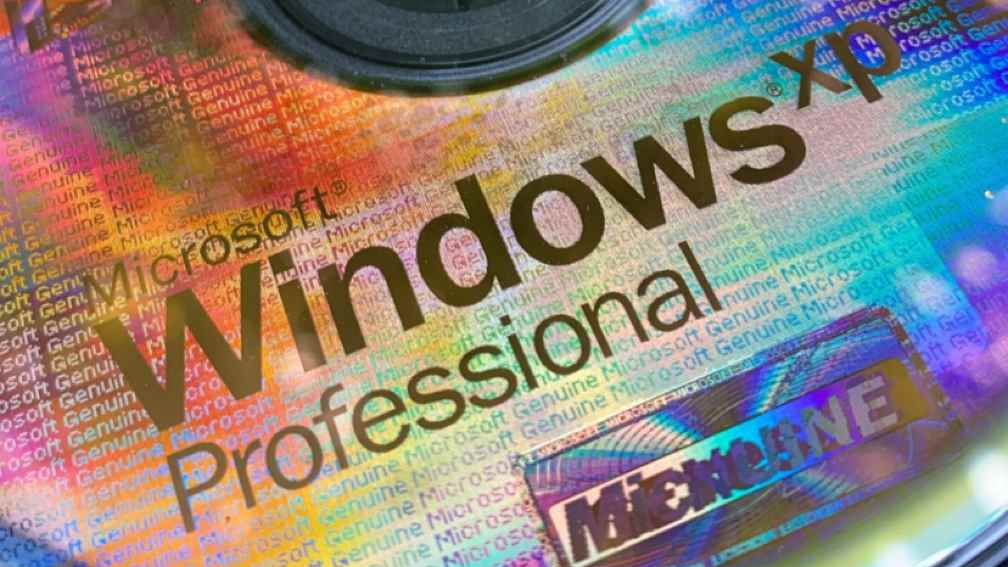
In the annals of computing history, some secrets are etched into the collective memory, often manifesting as a cryptic string of characters. For anyone who navigated the early to mid-2000s PC landscape, one key stands out: the notorious Windows XP product key, FCKGW-RHQQ2-YXRKT-8TG6W-2B7Q8. This sequence wasn’t just a string of letters and numbers; it represented a gaping hole in software protection, a digital Easter egg that fueled years of speculation about Microsoft’s security measures.
The mystery behind this key is rooted in the complex world of software licensing. Before the mass-market Retail version, Windows XP existed in two primary forms: Retail, intended for individual consumers, and Volume, which was reserved for large organizations, OEMs, and partners needing to deploy the operating system across thousands of machines with streamlined licensing.
These two media types came with different keys. The process of installation required the software to validate the key against data encrypted deeply within the disc. The cryptic data that served as the key was intrinsically linked to the supporting software—specifically, the legacy assistant Microsoft Bob, which predated the now-maligned Clippy mascot and helped guide new users through basic computing tasks.
The true source of the security vulnerability wasn’t a flaw in the encryption algorithm, but a distribution loophole. While Retail media was readily available, the Volume media was strictly enterprise-only. It is theorized that this highly valuable Volume media and its corresponding Volume License Key (VLK) were leaked, possibly through a major Original Equipment Manufacturer like Dell or Intel, before the official release date.
Once that information entered the digital wild, pirate groups quickly disseminated the key online, allowing anyone to enjoy access to the operating system with ease. This digital free-for-all eventually prompted Microsoft to tighten its grip.
When subsequent updates, such as Service Pack 1, arrived, the blacklisted key became a target. Microsoft implemented measures to flag and block these compromised keys, eventually leading to the blacklisting of the key. Later updates, including Service Pack 2 and the implementation of Windows Genuine Advantage checks, took this action further, blocking essential updates for any machine still using a blacklisted VLK.
Microsoft’s approach, while frustrating for some, reflected a pragmatic, almost laissez-faire attitude. Rather than pursuing complex theories about how the key was generated—a notion dismissed by experts who noted the algorithm was designed by highly capable minds—the focus was placed on managing the consequences of the leak. The ultimate truth, it turns out, wasn’t found in complex cryptography, but in a much simpler realization: sometimes, the biggest security breach is simply a physical artifact sitting on a desk, waiting to be discovered.
Buy on Amazon
Credit