
Upscaling makes low-end GPUs viable for esports in 2026
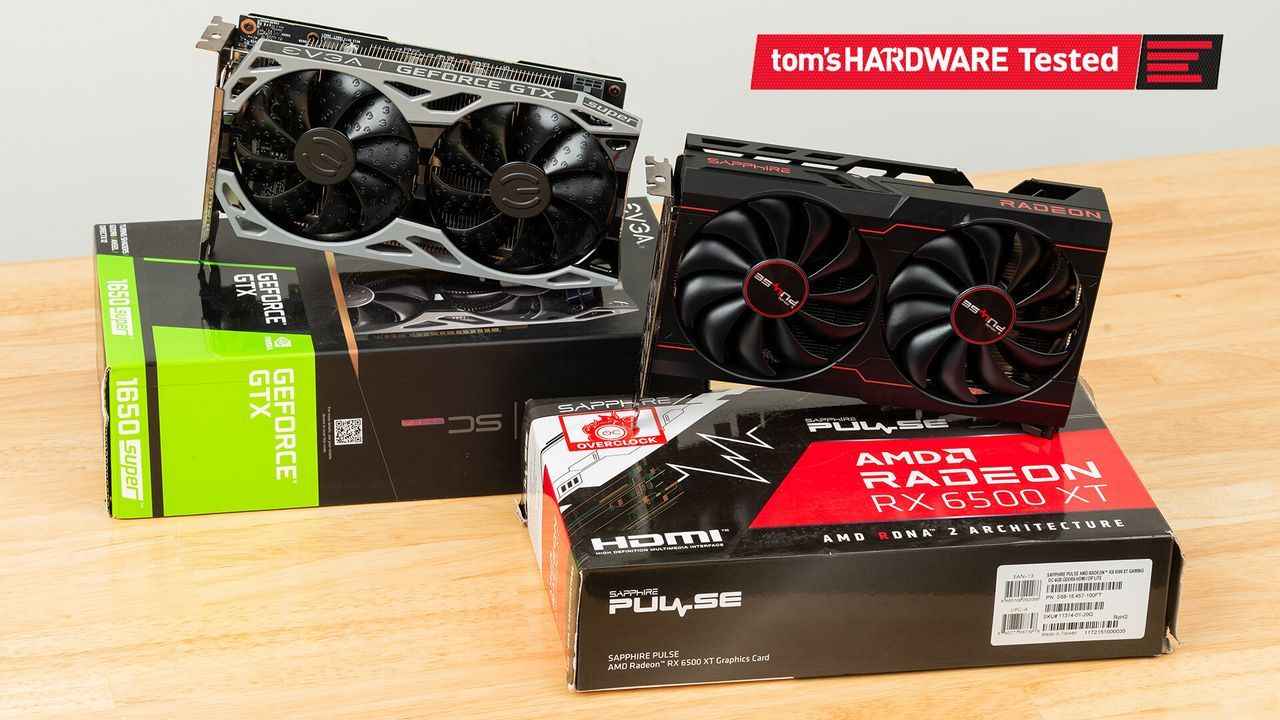
In the constantly escalating arms race of memory and graphics card prices, the discrete GPU market is witnessing some truly peculiar developments. The latest example is AMD’s introduction of the RX 9050 4GB, a highly specific, OEM-only variant of an already limited-release model. This move forces us to confront a fundamental question for gamers: how much suffering should we expect when attempting to run modern titles on systems constrained by such meager memory pools?
Historically, the trend has been clear. While AMD introduced 4GB VRAM GPUs in 2022, Nvidia had already phased out this tier years earlier. Today, nearly every discrete GPU currently available boasts at least 6GB or 8GB of VRAM. The appearance of a 4GB option suggests that these smaller memory allocations are now a looming reality for entry-level systems.
The specifications for the new RX 9050 4GB push this constraint further, cutting both bus width and memory bandwidth in half compared to its larger siblings. Even with AMD’s cutting-edge RDNA 4 architecture, these constraints seem daunting. Yet, AMD addresses this limitation by integrating support for FSR 4 and an advanced machine-learning-powered upscaling model, promising a massive leap in image quality.
So, is releasing such a small VRAM card an admission of defeat? We tested the limits by pitting the RX 9050 4GB against established entry-level cards like the RX 6500 XT and the GTX 1650 Super, diving deep into how these setups handle real-world gaming demands.
When tackling titles like Fortnite, which has embraced Unreal Engine 5’s advanced Lumen effects, we found that the path to playability often lies in clever optimization. While the older cards still struggled with latency and visual richness, incorporating upscaling techniques like XeSS Quality alongside FSR 4 allowed the smaller cards to deliver acceptable performance, even when managing memory usage just over the four-gigabyte mark.
For demanding triple-A experiences such as Cyberpunk 2077, where VRAM consumption is notorious, performance remained playable. By applying aggressive upscaling settings and fine-tuning crowd density, we found that while the memory usage spiked—often exceeding four gigabytes across both platforms—the resulting gameplay was immersive and manageable.
Even in competitive shooters like Counter-Strike 2, where memory allocation showed the greatest divergence between hardware, performance was not sacrificed. The results indicated that dynamic memory spillover does not automatically translate into poor frame rates; rather, careful finessing of quality settings is essential for achieving both playable performance and tolerable input latency.
Ultimately, the takeaway is that gaming with 4GB VRAM in 2026 requires finesse. Upscaling technology will be indispensable for maximizing the experience on these cards, and AMD’s enhanced RT acceleration offers a valuable technical upgrade. While these low-end products won’t replace enthusiast-grade hardware, they serve an important role: acting as a vital bridge to the wider world of PC gaming for entry-level OEM systems and markets outside of the United States.
Buy on Amazon
Credit

