Series S now costs more than Series X due to Xbox price hike
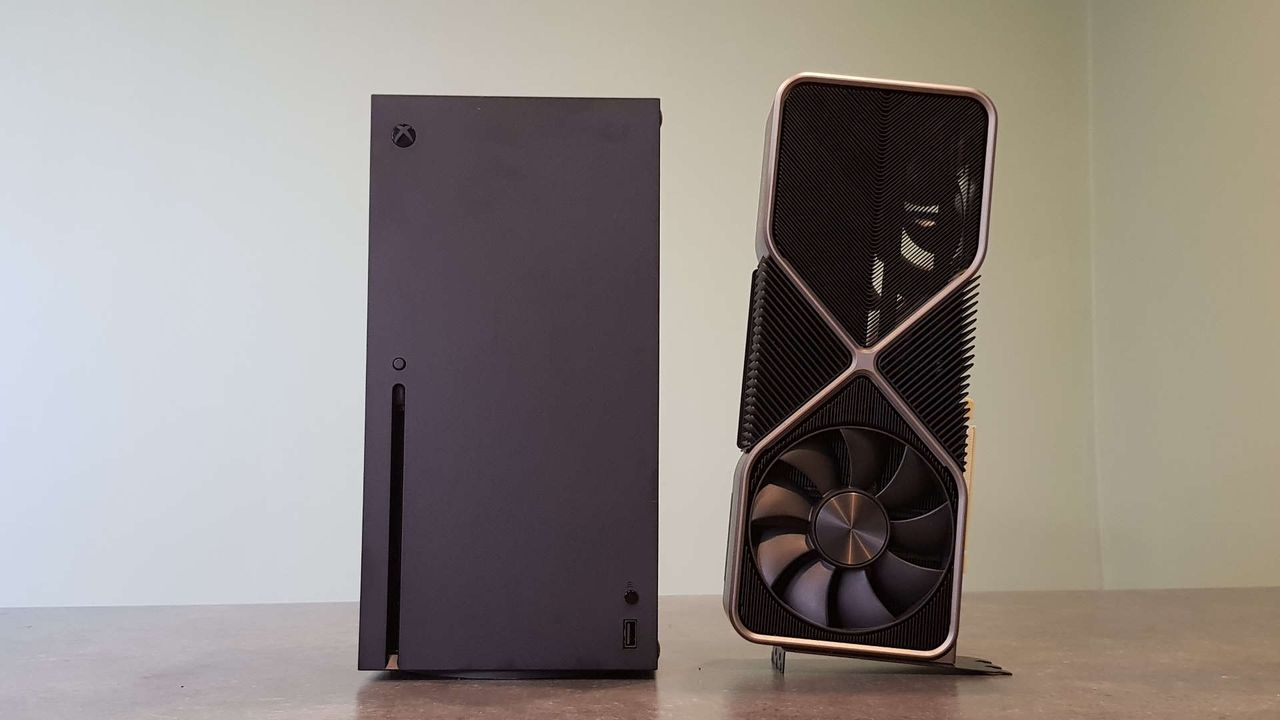
The world of gaming hardware is currently navigating a confusing landscape, with giant tech players like Microsoft grappling with massive financial shifts and supply chain nightmares. While the hype around the Xbox brand persists, the reality for consumers in Europe is that the cost of entry is rising—and it’s getting harder to justify the purchase.
Recent adjustments to Xbox console pricing have put a noticeable squeeze on gamers in Europe and the UK. As Microsoft adjusted rates across its hardware lines, prices for popular models like the Xbox Series S and Series X saw increases, particularly affecting storage options. For example, the price difference between different capacity models is now starker than ever; the 1TB model of the Xbox Series S has reportedly surpassed the cost of the higher-end Xbox Series X console.
These adjustments come at a time when the business itself is undergoing significant internal upheaval. Reports indicate that Microsoft is actively restructuring its gaming division, aiming to redefine what makes an Xbox unique in a crowded market. This organizational uncertainty is compounded by troubling financial figures; hardware revenue has seen a significant drop, driven by lower sales volume of consoles sold globally.
Beyond the immediate price hikes, the broader ecosystem is facing a much more fundamental crisis: the relentless memory crunch. The escalating cost of RAM and storage components has become an inescapable reality for the entire gaming industry. This scarcity isn’t just a temporary hiccup; it is deeply rooted in the rapid expansion of artificial intelligence, where massive investment and demand are feeding into a severe supply bottleneck.
This memory crisis places immense pressure on hardware manufacturers and future console development. While Microsoft invests heavily in AI technology, this focus has inadvertently contributed to the strained supply chain for essential components. Warnings from major component producers suggest that supply will struggle to keep pace with surging demand for next-generation consoles slated for late 2027 or 2028.
Ultimately, as gamers look toward the next generation of consoles, the challenges aren’t just about new features—they are about infrastructure and cost. Whether it is navigating regional price increases or dealing with global supply chain volatility, the current environment suggests that the path forward for gaming hardware will be defined by balancing ambitious technological goals against stark economic realities.
Buy on Amazon
Credit
