Flash and NAND undersupply threatens everyday electronics
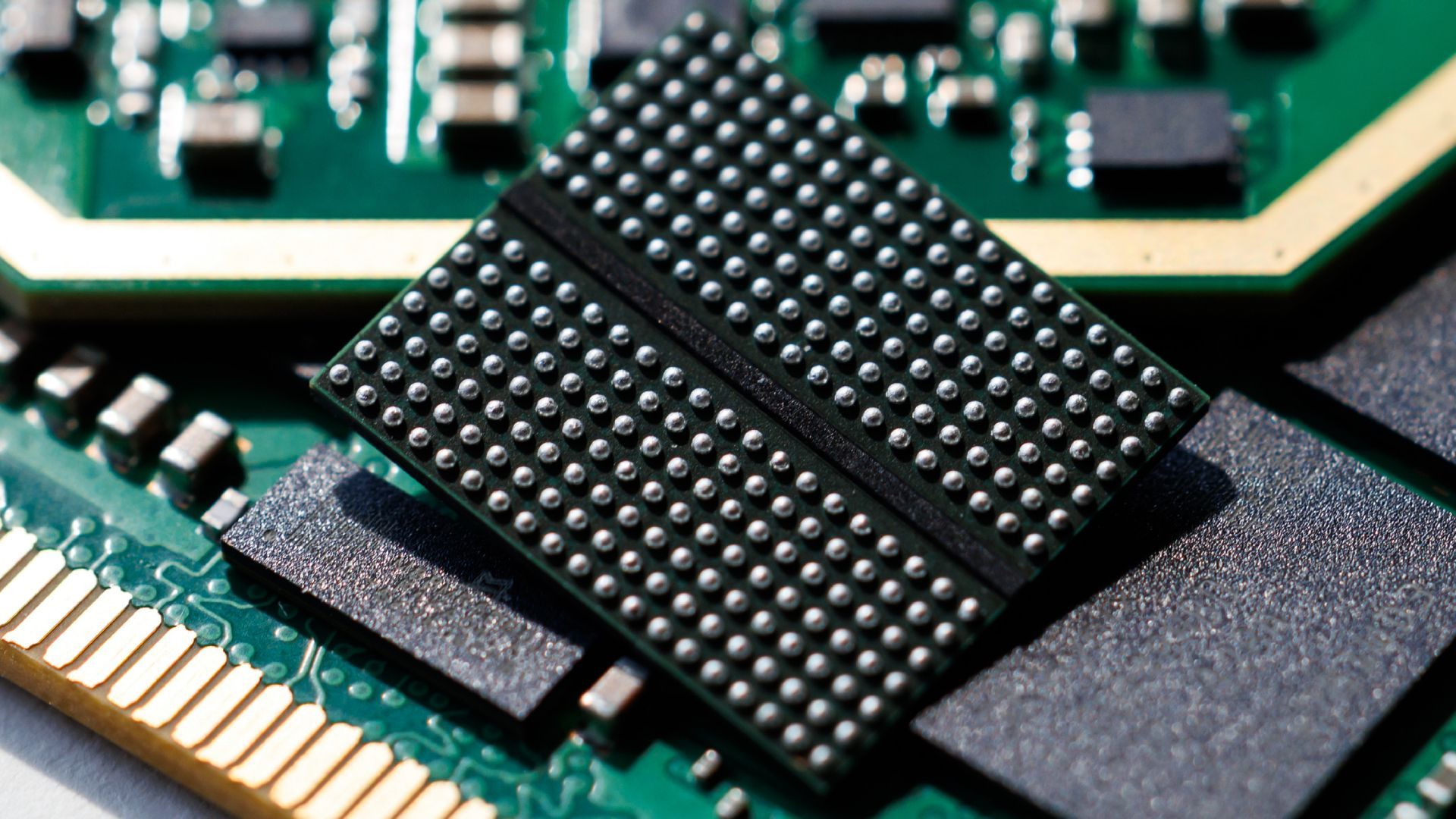
While the tech world is currently ablaze with the spectacular valuations of GPUs and their eye-popping investments, a far quieter, yet equally critical, crisis is unfolding beneath the surface: the memory crunch. The memory chips that quietly serve as the foundational memory for routers and systems are being squeezed out by the massive, all-consuming demands of the AI boom.
The story of the semiconductor market has shifted dramatically. Attention is rightly focused on the high-margin chips essential for AI accelerators, like HBM, which fuel the latest computational breakthroughs. But this spotlight has caused the vital, yet often overlooked, memory components—such as DRAM, high-capacity NAND, and older forms like NOR flash and SLC NAND—to become the silent victims of a memory price crisis.
This isn’t just an abstract economic issue; it’s a tangible squeeze on essential technology. Research suggests that memory prices have surged more than sixfold over the last year, breaking decades of steady price reductions. This dramatic rise is directly tied to the insatiable appetite of data centers and hyperscalers pouring unprecedented sums into building AI infrastructure.
The problem is starkest when we look at older, less glamorous memory types. While the focus is on cutting-edge components, the crunch is spreading down into the supply chain, impacting critical components like NOR flash and single-level cell (SLC) NAND. Analysts warn that these chips are being overlooked in the rush for higher-margin products, despite their vital role in areas ranging from automotive and networking equipment to embedded hardware.
The economics of the situation highlight a deeper structural issue. Hyperscalers and cloud providers are engaging in an intense, arms race to outspend each other, driving demand for semiconductors. This willingness to spend massively means that the most profitable customers naturally get prioritized, creating severe supply bottlenecks for the rest of the market. Major manufacturers are finding themselves in a difficult position, where the demand for advanced AI chips is effectively “sucking up all of the wafers,” leaving less capacity for older memory formats.
The NAND market exemplifies this tension. Manufacturers are prioritizing newer technologies, finding that carving out space for high-value products generates significantly more revenue per wafer. This dynamic is further complicated by manufacturing constraints, as lead times for semiconductor equipment have stretched to months. This combination has led to a severe undersupply, especially for niche but critical products like SLC NAND.
Ultimately, the challenge is one of capacity versus spending. While there are some alternatives, transitioning existing products to new chips often requires significant engineering work. Crucially, there is no immediate incentive for manufacturers to invest billions in new SLC or NOR flash capacity if the market demand is uncertain. This creates an unusual trap: there is still market demand, but the capacity expansion necessary to meet it appears structurally unlikely.
As the market continues to prioritize spending on AI infrastructure, the high prices for even the most basic memory components are likely to persist. The lesson here is that the race for the future of computing must account for the entire ecosystem, recognizing that even the least exciting memory chips are becoming the hardest to replace in our digital world.
Credit