12 Strongest Opinions After 894 Hours in Slay the Spire 2
The Deckbuilder Revolution: Why Slay the Spire 2 Isn’t Just Popular, It’s a Design Masterpiece Under Fire
Slay the Spire 2 has achieved something monumental. With over half a million players engaging with it simultaneously at launch, it didn’t just capture the fantasy of the deckbuilder genre; it completely vaporized the record books on Steam. It has solidified itself as the most played card game on the platform, dwarfing even behemoths like Magic: The Gathering Arena. But beyond the massive numbers, the game is sparking a fascinating and often contentious debate among critics and players about what makes a great deckbuilder.
As the community dives deep into the mechanics, the card synergy, and the character archetypes, a panel of writers and designers has offered some razor-sharp insights. These discussions reveal that while the game offers brilliant, satisfying moments, the core structure and certain elements invite serious scrutiny.
The Act 1 Paradox
One of the most frequent critiques centers on the pacing of the game’s early stages. Many feel that Act 1 is overly punishing and, at times, disappointingly boring. The system seems designed to force players into a constant state of damage mitigation, pushing them toward quick, explosive builds. This emphasis creates a feeling that early decisions are dictated by unavoidable damage rather than genuine strategic choice.
Critics argue that the current structure, particularly in areas like the Overgrowth, reinforces a snowballing nature where aggressive play is prioritized. If a player doesn’t spike within the first few floors, they often end up in a conservative, reactive mode. This dynamic skews relic design toward explosive options, leading some to suggest that the difficulty should be balanced differently, perhaps injecting more meaningful challenges into the early acts rather than solely focusing on damage avoidance.
The Joy of Simple Synergies
Despite the structural debates, the game manages to deliver genuinely delightful moments. Some players find pure, straightforward mechanics the most rewarding. The combination of Shiv and Sly exemplifies this, showcasing the simple delight of low input yielding high output. These mechanics allow players to achieve massive effects through simple card combinations, translating the same feeling of a satisfying click into a cascade of points and particle effects. This efficiency proves that not all complex systems are necessary for profound gameplay.
Similarly, specific relics offer unique trade-offs. While some relics, such as the Miniature Tent, provide straightforward value, others like Silken Tress force a contemplation of risk versus reward. Players weigh the benefit of a free replay against the potential of the card they receive, highlighting the tension between maximizing resources and accepting uncertainty.
Characters, Bosses, and The Geometry of Play
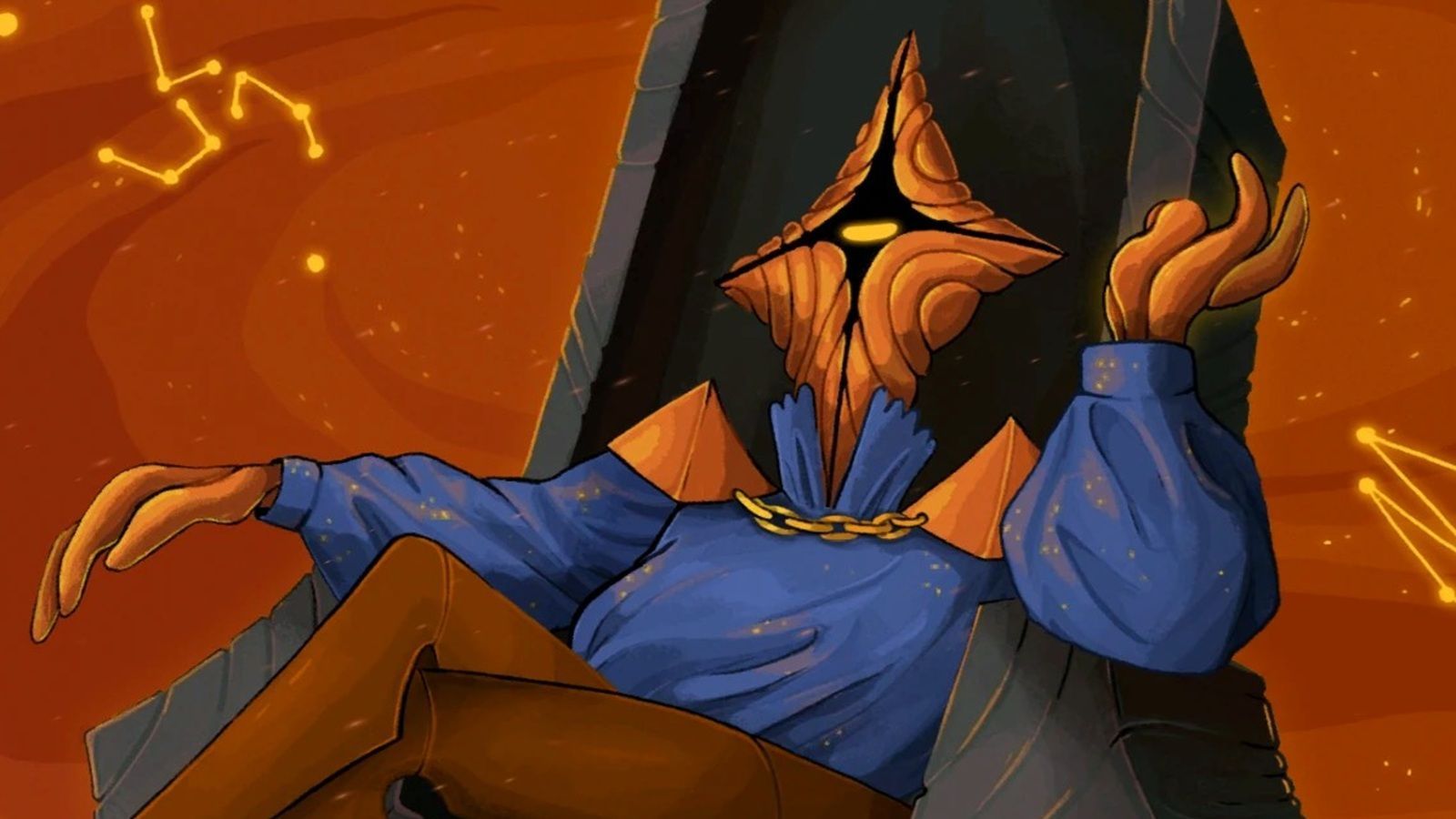
The characters and bosses also generate strong opinions. While some, like the enigmatic Regent, possess an endearing, if chaotic, personality, his mechanical experience is often described as frustrating. His kit demands a level of cosmic accounting that clashes with the fast-paced flow favored by other characters, leading some to find his playstyle tedious.
The design of Act 3 bosses, particularly Aeonglass, faces similar scrutiny. The sheer complexity of its compounding gimmicks often feels less like a puzzle to solve and more like a hurdle to clear, punishing multiple strategies in ways that feel disproportionate to the challenge. This sentiment leads some to argue that future content should focus on dynamic, teamwork-oriented encounters rather than pure damage checks.
A Different Kind of Deckbuilding
The contrast between Slay the Spire 2 and other titles like Monster Train 2 highlights the genre’s versatility. If Slay the Spire 2 is a game of careful card management, then Monster Train 2 offers a fundamentally different experience. It shifts the focus from card-based combat to spatial puzzle-solving. By introducing mechanics around unit positioning, sacrificing resources for movement, and tactical deployment, Monster Train 2 expands the boundaries of what deckbuilding can be.
This divergence suggests that the deckbuilding genre has immense potential for evolution. By exploring mechanics that focus on spatial reasoning and unit arrangement, developers can unlock new dimensions of strategic depth. Whether focusing on the layered complexity of Slay the Spire or the intricate geometry of Monster Train 2, the community is clearly eager for game design that pushes beyond simple multiplication and invites truly unique forms of interaction.
Buy on Amazon
Credit