AI data centers must pay for grid upgrades House passes act
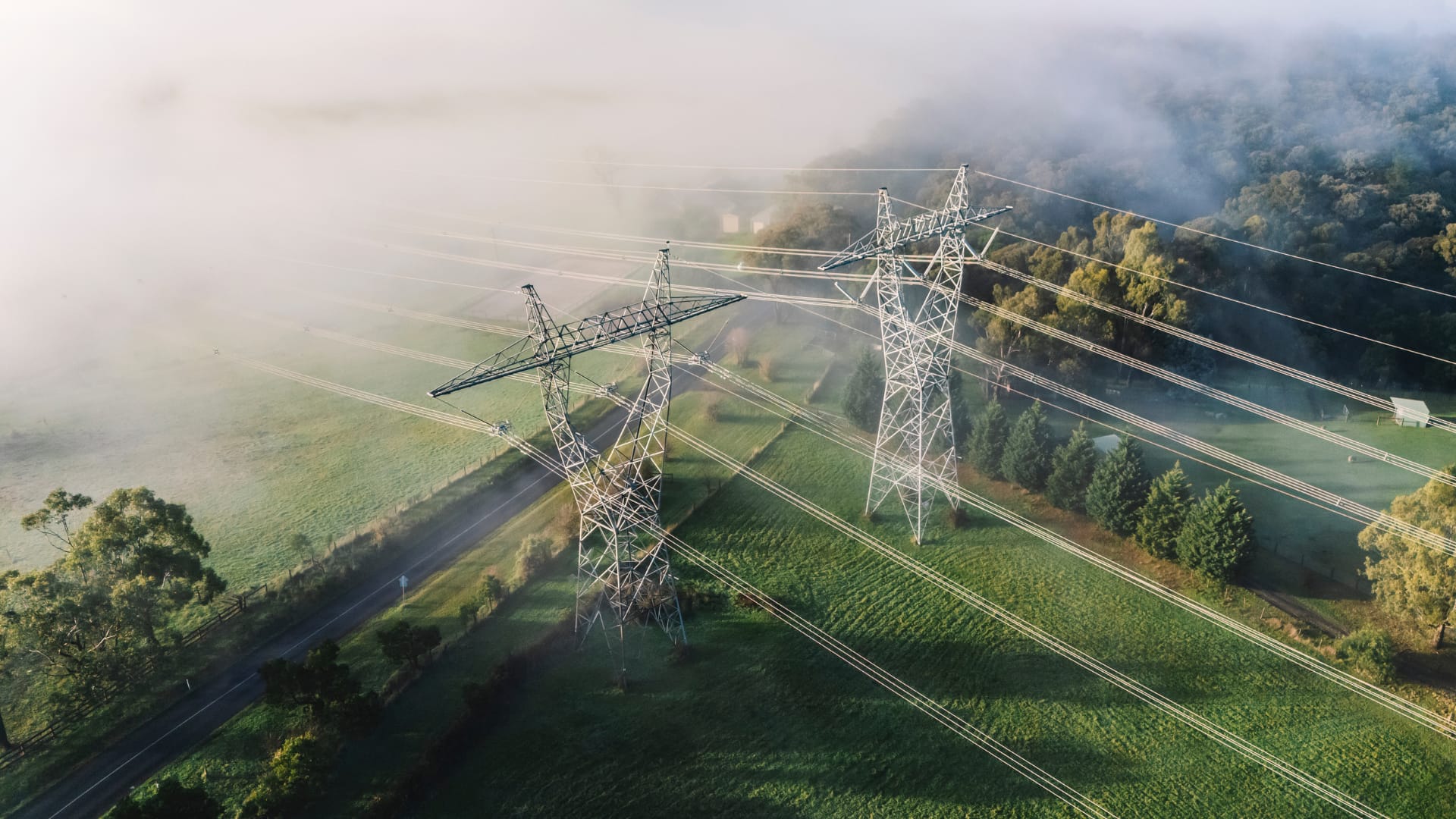
The Grid Reckoning: How Data Centers Are Finally Facing the Bill
The massive, insatiable appetite of artificial intelligence is reshaping our energy landscape, bringing a long-overdue reckoning for the power behind the digital age. In a significant move aimed at balancing the load between technology giants and communities, the U.S. House of Representatives has passed a landmark bill designed to ensure that data centers contribute directly to the cost of the energy infrastructure they consume.
Known as the Ratepayer Protection Act, this legislation amends older utility regulations, demanding that data centers with a capacity of 100 megawatts or more must pay for the full, incremental cost of any grid upgrades necessary to serve their immense electrical load. This shift moves responsibility for grid modernization from the public utility to the massive consumers driving the demand.
This move is a direct response to the massive, surprise price hikes that many residential users and small businesses faced due to the staggering electricity demands of AI data centers. These spikes, fueled by hyperscale computing, have become a primary driver of public opposition, with communities increasingly resisting data center developments over concerns about local environmental impact and political affiliation.
The desire for fair compensation is not new. It echoes the goals of President Donald Trump’s “Ratepayer Protection Pledge,” which called upon AI hyperscalers, utility providers, and state governors to shoulder the costs of their own electricity demands. The underlying issue is simple: when the infrastructure expands, the users who benefit must bear the cost of that expansion.
States are already taking concrete action to implement this principle. Oregon, for instance, enacted the POWER Act in 2025, which is even more stringent. It mandates that any development using more than 20 megawatts must pay its fair share, a policy that has already resulted in a 30% hike for data center electricity bills while simultaneously achieving a 1.3% reduction in residential power costs.
Virginia followed suit quickly, requiring its State Corporation Commission to mandate that data centers pay for all dedicated upstream electrical infrastructure. This approach ensures that the transmission lines and distribution systems are adequately funded by those generating the demand, rather than relying solely on public utilities to absorb the cost.
While the federal framework is now in place, the journey toward a fully implemented national standard is ongoing. The bill must still navigate the Senate before reaching the White House for presidential approval. Furthermore, even after federal passage, states retain the power to adopt the standard, giving them up to two years to make their final decisions. This leaves a window where potential data center bans and moratoriums, which have been growing nationwide, could expire before states fully enact new protections.
Ultimately, the Ratepayer Protection Act represents more than just a piece of legislation; it signifies a critical turning point in how we value digital infrastructure. It signals a transition where the immense power of AI demands is met by a shared responsibility, ensuring that the relentless march of technological progress is accompanied by a commitment to energy equity.
Buy on Amazon
Credit