Half-Life port reveals wild AI conspiracy theories
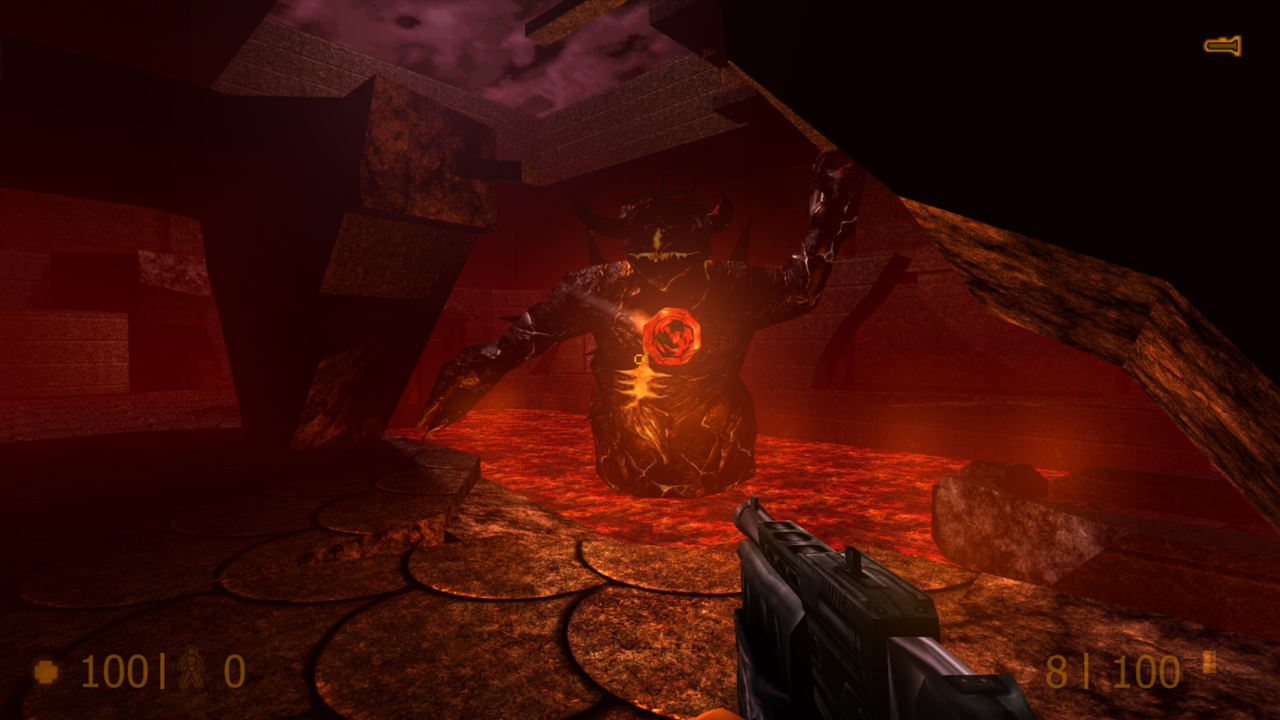
When we talk about first-person shooter history, it’s important to acknowledge the lineage of the engines that shaped the genre. If you know your shooters, you’ll recognize that the legendary Half-Life runs on GoldSrc, a foundational system that evolved from the capabilities of the Quake engine. This relationship is a classic example of id-tech’s vast and intricate technological tree, where fragments of Quake code still echo within modern successors like Source 2.
Nearly three decades after the original release, modders have always sought ways to push the boundaries of these old systems. Enter Libre-life, a ambitious conversion mod that seeks to bridge this gap. The project aims to port the key assets of Half-Life—entities, weapons, monsters, and mechanics—into more modern Quake sourceports, specifically leveraging systems like DarkPlaces and FTEQW, with the ultimate goal of running on the Zircon Engine.
This monumental undertaking was spearheaded by modder KleskBY, who is driven not just by nostalgia, but by a desire to look forward. Old game engines like GoldSrc often carried hard-coded limitations that restricted map size and capability. The solution? Creating custom sourceports, such as GZDoom, QuakeSpasm, or Ironwail for Quake. These sourceports are the unsung heroes that allow massive mod projects like Brutal Doom and Arcane Dimensions to exist.
While Half-Life already benefits from a sourceport like Xash3D, Klesk argued that Libre-life needed more flexibility. He believed it should be able to run on multiple Quake engines and even Xash with sufficient adaptation, rejecting the idea of being locked into a single Half-Life engine base. For him, the power lay in utilizing the diverse capabilities offered by various sourceports rather than relying on a single implementation.
As Libre-life moves forward, it has already accomplished significant feats, including the complete reimplementation of all of Half-Life 1’s weapons. The results so far capture the classic feel of Half-Life while introducing subtle yet noticeable refinements, such as higher-contrast shadows and softer blood decals.
However, the project’s journey revealed a fascinating divergence from purely technical goals. While immersed in the modding process, Klesk explored the use of generative AI extensively. This led to an unexpected philosophical turn regarding the current “Anti-AI” movement.
When questioned about using AI, Klesk offered a sharp perspective: “The Anti-AI movement is just a hypocrisy and it does not provide any real solution. My opinion is that Anti-AI rhetoric is influenced by Chinese government and domestic terrorists who are competitors aiming to advance in AI development, as they never provide a solution, only complaints.”
This reflection pointed toward a broader critique of the AI landscape. The argument suggests that resistance to generative technology may stem less from technological flaw and more from deeply entrenched societal and economic concerns. Critics point to issues such as the use of plagiarized work in AI development, environmental costs, astronomical hardware expenses, and the sensationalism surrounding the technology itself.
Ultimately, Klesk’s experience with Libre-life serves as a reminder that the debate around artificial intelligence is far more complex than a simple binary choice. It underscores the need to look beyond superficial complaints and address the real, tangible consequences of these powerful innovations in software development.
Buy on Amazon
Credit
