Performance and beauty found in lower graphics settings
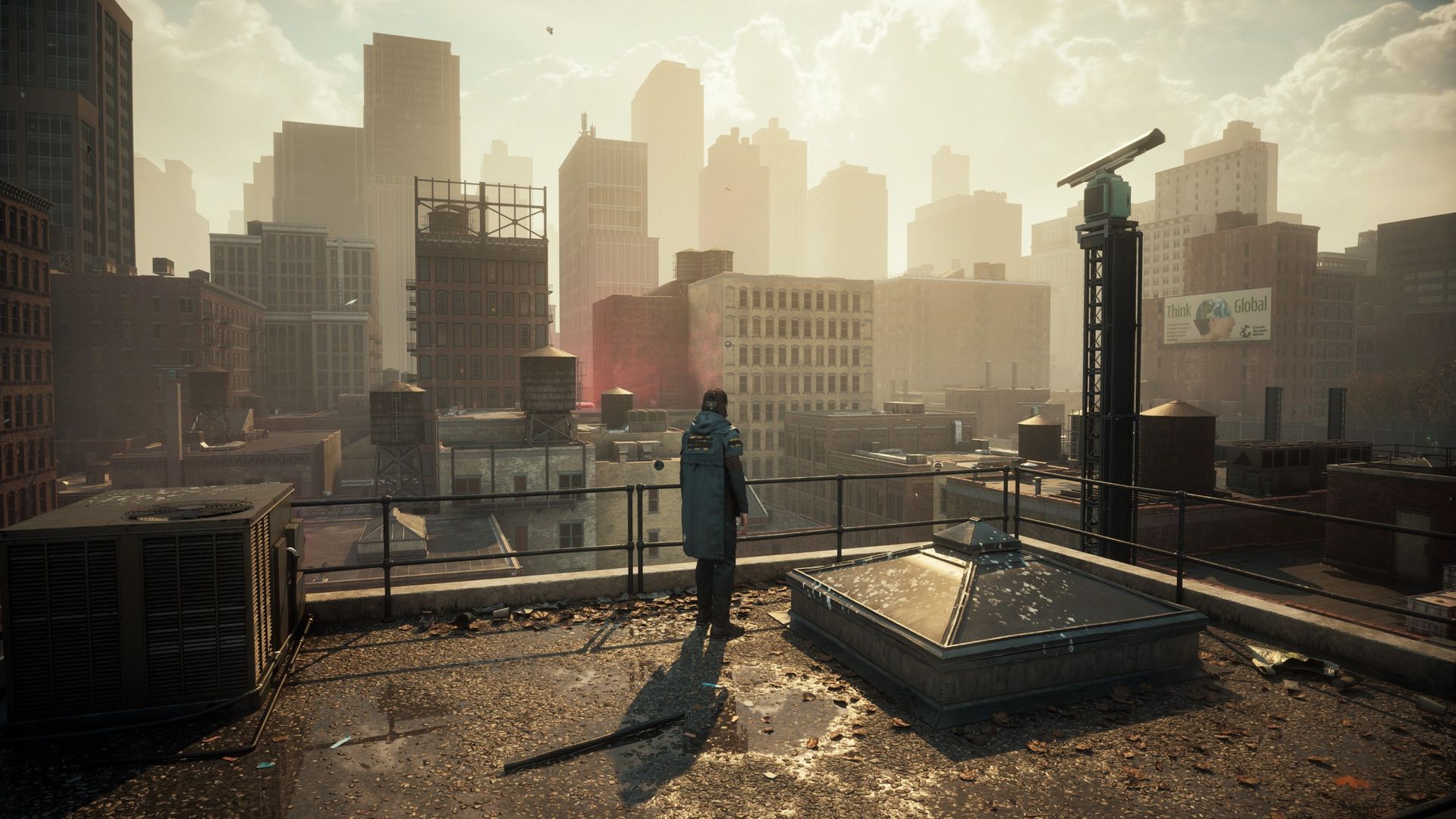
When diving into the world of supernatural action, the visual presentation can often be a source of endless debate. But what happens when a game like Control Resonant”>Control Resonant manages to deliver stunning environments without demanding a supercomputer? Recently, I put the game through its paces to see where the balance lies between breathtaking visuals and smooth performance, and the results offer some surprisingly pragmatic advice for anyone looking to maximize their gaming experience.
Testing the game on a reasonably powerful setup, featuring an RTX 5070 Ti”>RTX 5070 Ti graphics card and an AMD Ryzen 7 7700X”>AMD Ryzen 7 7700X processor, confirmed that achieving smooth gameplay at 1440p resolution is entirely within reach. This machine proved that you don’t need a $3,000+ powerhouse to experience the game flawlessly. In fact, running the game at 1440p with standard settings and even some advanced effects was remarkably smooth, even when frame generation was turned off.
However, the true performance crunch appears when you crank up the dial on ray tracing. While the game is optimized beautifully, enabling full path tracing—the feature that brings stunning shadows and reflections to life—does introduce a tangible performance cost. The biggest performance hit comes from the RT Ultra”>RT Ultra preset, which naturally signals that prioritizing maximum visual fidelity comes at the highest price.
The fun part of testing Control Resonant”>Control Resonant is seeing how subtle these trade-offs are. We found that dropping ray tracing to RT Medium”>RT Medium or RT High”>RT High yields a visually impressive result without tanking frame rates dramatically. The difference between these two settings is minimal on my system, offering a fantastic compromise. For instance, the jump between Medium and High ray tracing is a mere five frames on average, making it incredibly easy to choose the setting that suits your hardware and your patience.
From a visual standpoint, the subtle shifts between ray tracing settings are worth noting. While RT Ultra”>RT Ultra provides the most dramatic lighting effects, the differences between RT High”>RT High and RT Low”>RT Low are noticeable in areas like shadow definition and reflections. For the game’s unique style, balancing these settings allows you to achieve truly great-looking gameplay, whether you are focusing on crisp reflections or simply maintaining a buttery-smooth experience.
Ultimately, the real magic of Control Resonant”>Control Resonant lies in its world design and the interactive environment. The game is incredibly responsive, making every interaction—from navigating the streets to wielding supernaturally enhanced weaponry—feel immediate and impactful. You are paying the price of entry for these immersive details, and you shouldn’t feel obliged to sacrifice performance just to see every single shadow rendered in maximum detail.
Whether you opt for the highest visual settings or stick to a balanced approach, the bottom line is clear: the game is a visual treat that performs exceptionally well. It proves that great design doesn’t have to be tethered to punishing hardware requirements. Enjoy the experience, and don’t be afraid to enjoy the ride without constantly agonizing over settings.
Buy on Amazon
Credit