US chip fabs face massive worker shortage despite high pay
The quest to build the world’s most advanced microchips is currently bottlenecked by a formidable challenge: a crippling shortage of skilled workers needed to operate the massive semiconductor fabrication plants. As global chipmakers accelerate their race to establish domestic manufacturing hubs, experts warn that the pipeline of talent simply cannot keep pace with the industrial demand.
The stakes are incredibly high. Global consulting firms and industry bodies estimate that up to 157,000 technical positions could remain unfilled by 2030. This gap is particularly acute in the United States. While the demand for chips fueled massive investment in the sector, the talent required to manage these complex operations is scarce. This contrasts sharply with other areas of the tech industry, where record layoffs in recent months, ostensibly linked to the rise of artificial intelligence, saw over 40,000 positions eliminated.
This imbalance highlights a deeper structural issue. Data from McKinsey indicates that only 3% of U.S. engineering graduates enter the semiconductor industry, and chip companies are struggling to fill engineering roles, demonstrating a significant disconnect between education and industry needs.
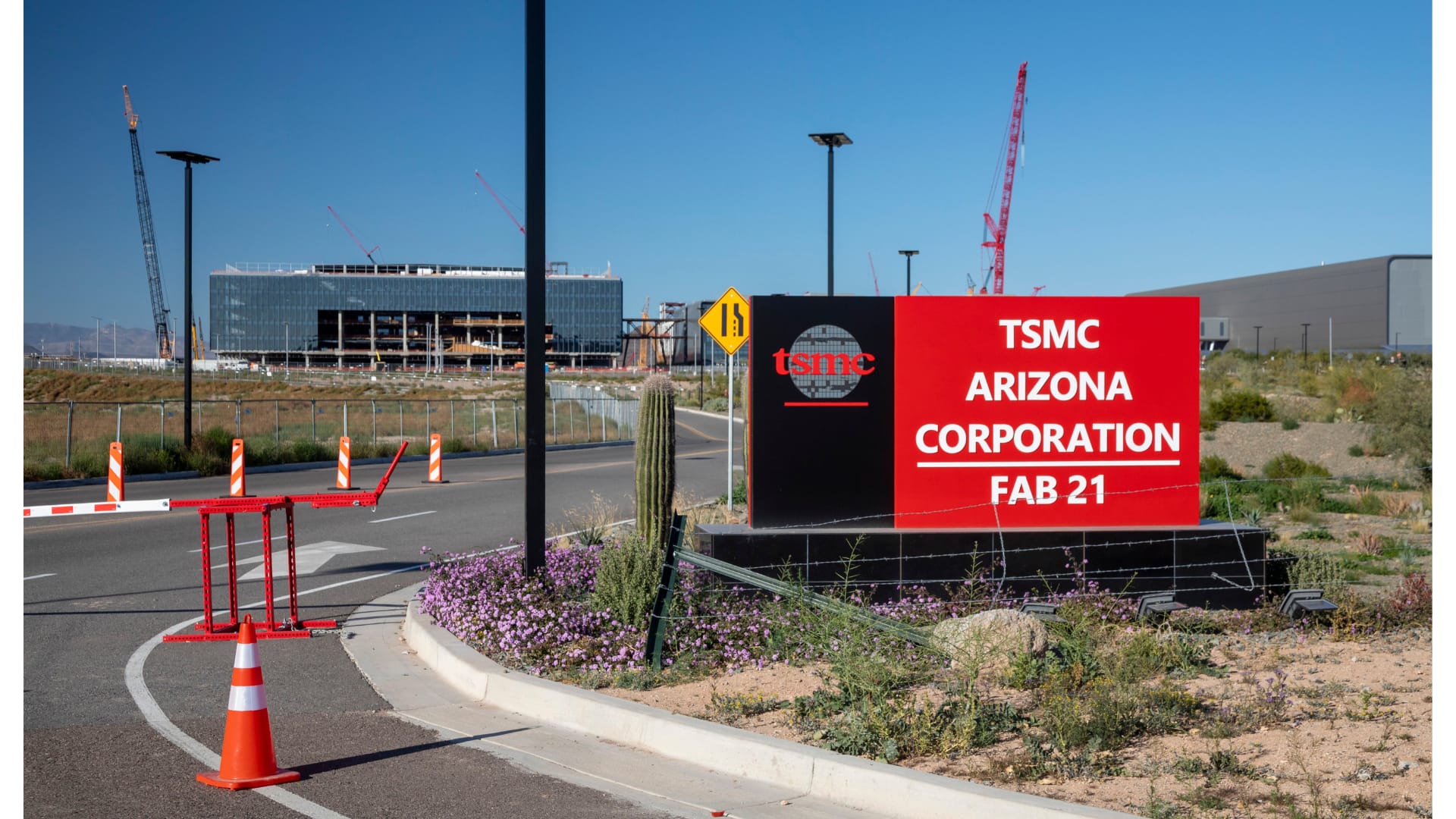
Despite this talent deficit, the commitment to domestic manufacturing is accelerating. Driven by the insatiable demand for memory and storage chips powering the AI boom, major corporations are pouring billions into building new facilities across the country. TSMC initiated this trend by starting construction on its Arizona campus in 2021, and is now committing another $100 billion to build four more 2nm fabs in the region.
The memory chip giants are equally active. Samsung is bringing advanced semiconductor manufacturing to the U.S. with its Taylor, Texas fab, which is set to target an output of 50,000 wafer starts per month and create thousands of jobs. Simultaneously, Micron is developing its Boise, Idaho, memory chip fab and has broken ground on a $100-billion New York “megafab” aimed at producing 40% of its global DRAM output in the U.S. by the 2040s.
SK hynix is also expanding its footprint, dedicating its West Lafayette, Indiana, campus to building a crucial High Bandwidth Memory (HBM) plant dedicated to AI data center components. Furthermore, there are ongoing discussions regarding localization, with rumors suggesting the South Korean company is exploring options with Intel to build memory chip facilities within the U.S.
These massive construction and operational efforts necessitate a robust labor force. Local universities, including Purdue and Arizona State, are stepping up by investing millions in programs focused on semiconductor degrees. Companies like Samsung and Intel are also contributing through internships and scholarships to try and secure the necessary future workforce.
However, the financial reality of the talent war remains a significant hurdle. While U.S. chip fabrication jobs typically command competitive salaries ranging from $127,000 to $187,000 for senior staff, these figures are being overshadowed by the substantial bonuses being offered by industry leaders. Reports indicate that Samsung and SK hynix employees have received multi-hundred-thousand-dollar bonuses, creating a stark financial disparity that companies must navigate if they wish to retain and attract talent in the U.S.
Credit