35k signed up for Steam Frame but reservations lag
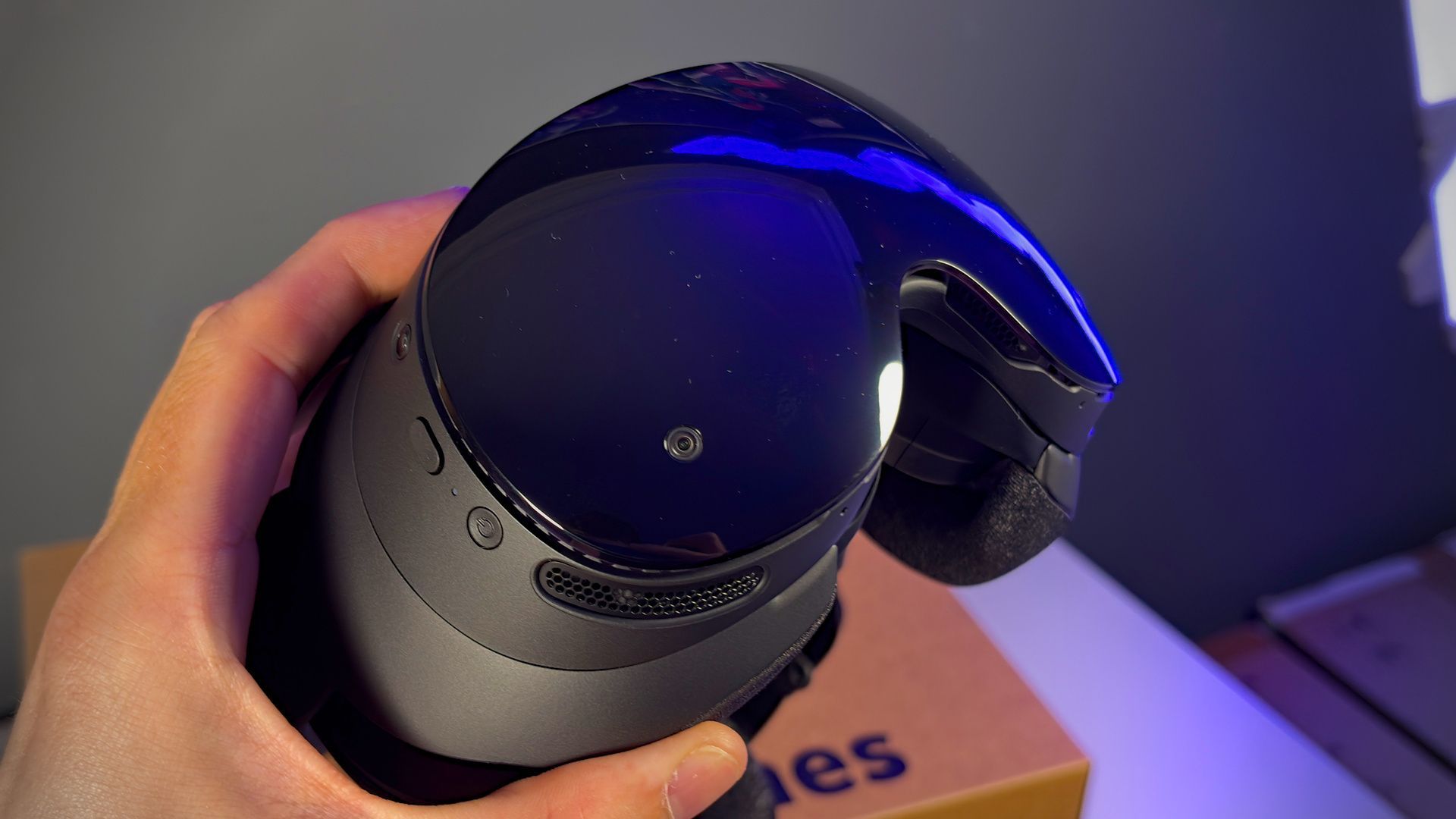
When you sign up for cutting-edge hardware, you expect a fair shot, but sometimes the universe throws a curveball. This is the story behind the Valve Steam Frame and the thrilling, slightly nerve-wracking process of the ‘one-time randomisation’ that determined who received a unit from the initial batch.
The excitement centered around a community reporting website that tracked the results of this raffle. With thousands of entries, users were able to gauge their chances of securing a unit from the first release. The data paints a picture of a highly competitive waiting game.
So far, with over 35,000 results tallied, the odds were stacked against many. A significant portion of respondents were lucky enough to secure a reservation, with approximately 44.7% having successfully reserved a unit. However, the majority, over half, found themselves on the waitlist, with 51.6% of users waiting for their turn. Only a small fraction, 3.8%, had yet to receive their notification email.
To understand the process, those who opted for the Steam Frame through the store page were entered into a single raffle conducted on September 17th. This randomization determined which reservations were made instantly and which entered the queue for future allocation. Units were offered to the reserved group first, with any remaining items moving down the waiting list for those who signed up subsequently.
If you are looking to join the queue, the waitlist is substantial, potentially stretching to over 18,000 customers at the time of reporting. This highlights the massive community enthusiasm for the new hardware.
When it comes to the physical specifications of the Steam Frame itself, users had the choice between two capacities: 256 GB and 1 TB. For many, the smaller option proved to be the smarter choice. The 256 GB model is considerably more affordable and offers ample flexibility, allowing users to expand their storage capacity later by utilizing microSD cards, which is ideal for game streaming where the need for massive internal space is often overstated.
This preference for smaller storage reflects broader community consensus. The 256 GB model emerged as the most popular choice across various countries. While the 512 GB Steam Deck was a popular option at its launch, the Steam Frame users, with their focus on efficient game streaming and expansion, leaned toward the more cost-effective and flexible configuration.
Buy on Amazon
Credit
