
Steam Deck LCD batteries back in stock for $130
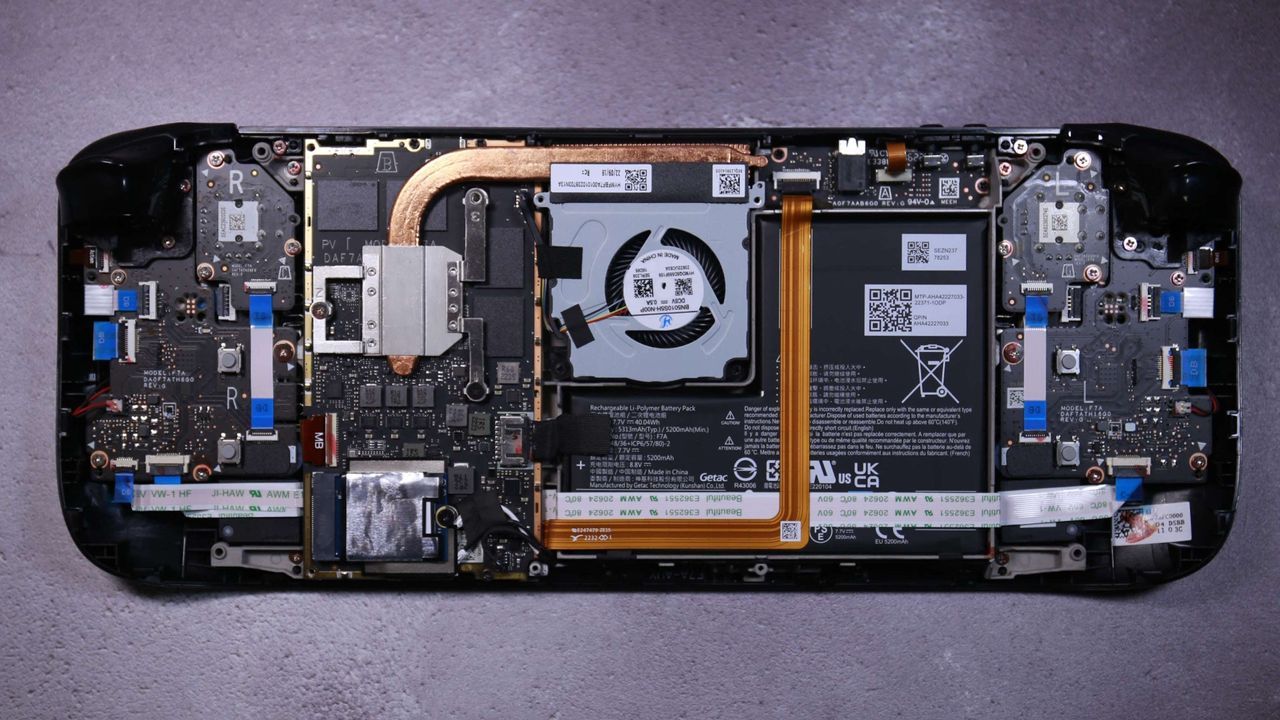
When a beloved piece of hardware reaches the end of its cycle, fans often look for ways to extend its life. For many users of the Steam Deck, this quest often leads down the path of repair and replacement. Recently, that path has brought some very interesting—and expensive—news regarding battery replacements for the original LCD version of the Steam Deck.
Valve has officially sent more batteries back into the aftermarket, making replacements available again through iFixit. However, this return comes with a hefty price tag. While previously purchasing the necessary components and kits cost around $80, these new replacement batteries alone now retail for $130. That’s a substantial jump.
Despite the increase in cost, the specifications remain surprisingly consistent. These newer replacement batteries still offer the same performance metrics as their predecessors, boasting a capacity of 5200 mAh and 40 Wh. While the numbers don’t change, the market shift has clearly demanded a higher premium for these essential components.
For those looking to sidestep the official pricing, iFixit is offering an alternative: aftermarket versions of the LCD battery are available for only $80. These non-OEM parts maintain identical capacity and Watt/Milliamp Hour ratings, providing a budget-friendly solution for those who prefer to tinker.
The situation is even more nuanced when looking at the newer Steam Deck OLED model. Replacement batteries for this upgraded version are also available on iFixit for $80. Although these new cells offer slightly higher capacity—50.08 Wh and 6470 mAh, roughly twenty percent more than the original LCD deck—the official OEM replacement costs a further $50 more.
This price disparity, while frustrating, seems tied to broader market dynamics. It is worth remembering that Valve quietly discontinued the original LCD Steam Deck late last year. In the midst of current component shortages and the growing trend toward hardware longevity, it makes sense that the cost of these replacement parts has shifted.
Ultimately, whether you choose the official route or the aftermarket, the takeaway is clear: with technology evolving and supply chains tightening, maintaining beloved devices requires a bit more planning—and a willingness to pay the price for functional, high-quality repairs.
Buy on Amazon
Credit