
GTX 1080 Ti ages in 1080p gaming Redux test
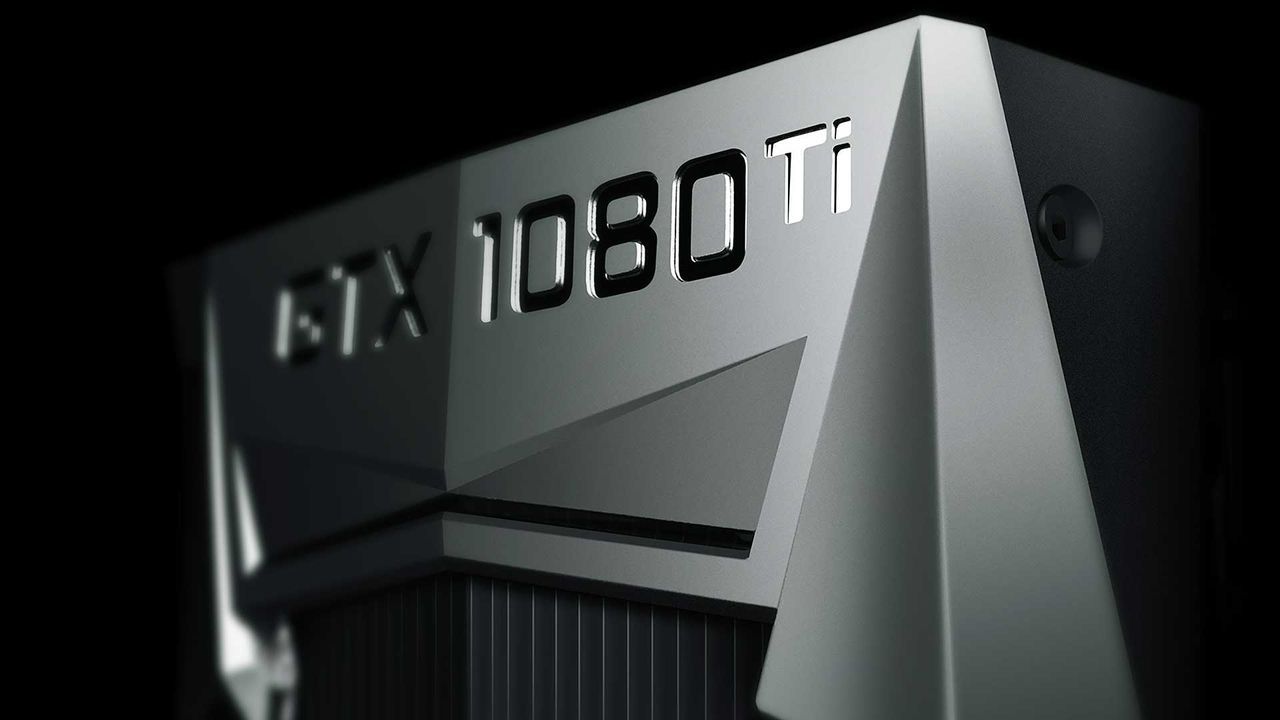
There are some legends that simply refuse to fade. One such name in the world of graphics processing units is the GTX 1080 Ti, a titan released by Nvidia back in 2017 that once set the benchmark for high-end rasterization. Yet, as we look at today’s relentlessly evolving tech landscape—especially with next-generation cards already pushing boundaries—it prompts an unavoidable question: how does this decade-old champion fare against the efficiency and power of modern silicon?
When the GTX 1080 Ti debuted, it was a powerhouse. It featured 3,584 CUDA cores and 11GB of GDDR5X memory, boasting a 250W TDP. It was built on the Pascal architecture and aimed squarely at pure rasterization performance. For those in that era, it was the undisputed flagship Nvidia card.
Fast forward to 2026, and we find ourselves retesting this legend against today’s offerings, pitting it against far more efficient modern GPUs. The goal is simple: determine if the 1080 Ti still holds relevance when measured against the current generation of technology.
When performance metrics are applied, the results show a nuanced picture. In older titles, and specifically those that lean heavily on traditional rasterization, the GTX 1080 Ti still finds its footing. It manages to maintain frame rates close to 60 FPS in many established games at 1080p resolution, demonstrating a surprising endurance, especially in titles like Assassin’s Creed Shadows and Spider-Man 2.
Some games, such as Days Gone or Baldur’s Gate 3, highlight this resilience. In these specific cases, the card manages to edge out even newer cards like the RTX 4060 and RX 7600, primarily due to its generous VRAM buffer.
However, the real challenge emerges when we consider modern demands. The 1080 Ti was designed for a bygone raster-only era. Modern gaming heavily relies on advanced technologies like DLSS (Deep Learning Super Sampling) and ray tracing to achieve visual fidelity. Because Pascal architecture lacks dedicated Tensor or RT cores, the older card must rely on slow software emulation for these features, making it effectively unplayable in contemporary titles where these features are standard.
When evaluating pure efficiency—performance per watt—the gap becomes stark. The GTX 1080 Ti suffered from an aging architecture and the older 16nm process node, resulting in a poor rating of just 0.085 FPS per watt. By contrast, current-generation cards, like the RTX 5060, achieve 0.202 FPS per watt. This means that the 1080 Ti wastes nearly 58% more energy under load compared to its modern counterparts.
Ultimately, while you can still get by with the GTX 1080 Ti if you only seek basic 1080p gaming and have a limited budget, it represents a technology from another era. Today’s market demands superior efficiency, advanced features, and raw performance. If your goal is to embrace the cutting edge of PC hardware—offering better longevity, features, and efficiency—it is time to look forward.
For those seeking the absolute best performance today, jumping into the latest generation is the clear choice. The GTX 1080 Ti remains a historical icon, but in the current era of gaming, it’s time for it to ride into its sunset.
Buy on Amazon
Credit