SpaceX stage smashes into moon at 5400 mph NASA tracks impact
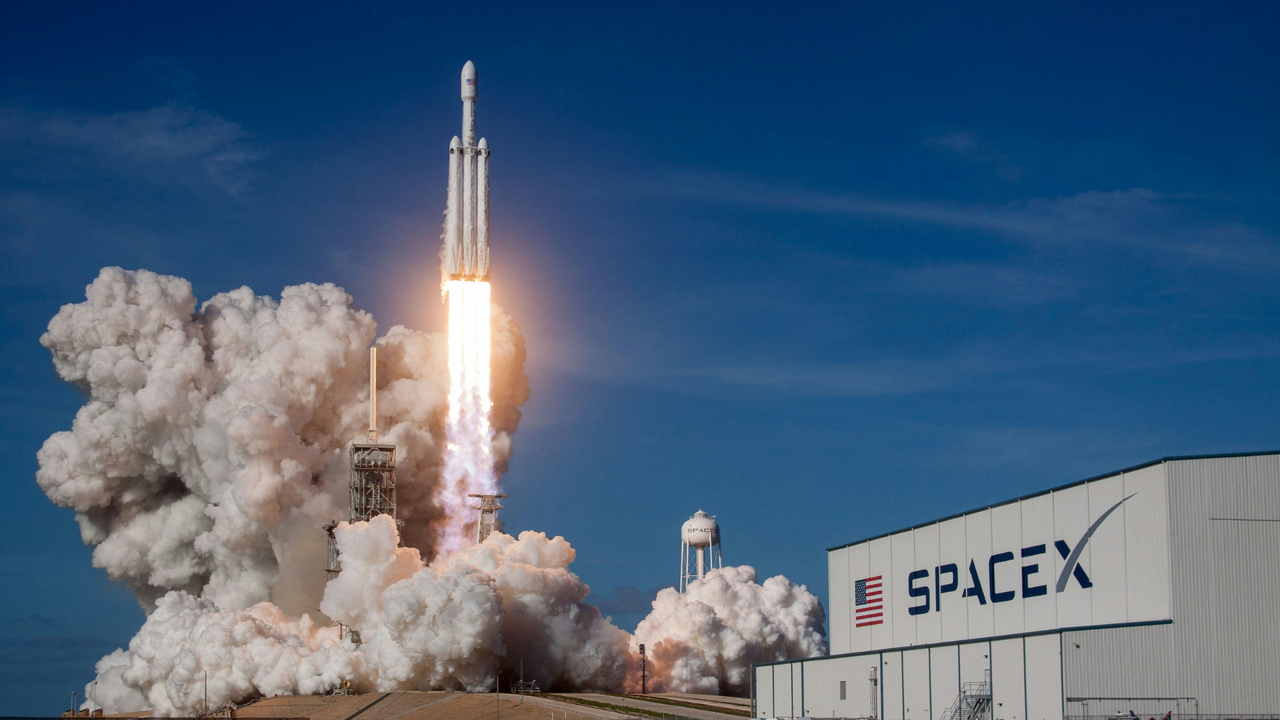
In a dramatic cosmic collision, a piece of spent rocket hardware is set to make an unscheduled landing on the Moon. The upper stage of a SpaceX rocket, which successfully delivered lunar landers in early 2025, is slated to impact the lunar surface several months after its mission concluded.
This isn’t just some distant event; the debris is hurtling toward the Moon at an astonishing velocity, estimated at 5,400 miles per hour or 8,690 kilometers per hour—seven times the speed of sound. While this might seem like a relatively small piece of space junk in the grand scheme of things, its arrival carries significant implications for how we manage space exploration and future missions.
Despite the distance, scientists and astronomers are treating this impending impact as a major event. This is one of the few occasions when an object will strike the Moon while being directly observed. International efforts are mobilizing to capture crucial data: NASA’s Lunar Reconnaissance Orbiter and South Korea’s Danuri lunar orbiter will conduct before-and-after photographic surveys of the impact site.
The scientific interest stems from the energy release. The anticipated crash is expected to deliver an equivalent force of about three tons of TNT onto the lunar surface. Though this energy cannot be seen from Earth, the ejected material itself could stretch for miles in the vacuum of space, potentially making it visible to telescopes.
Researchers are keenly focused on how this impact will reshape the lunar landscape. Because the Moon lacks an atmosphere or wind to disperse debris, the physics of the collision offer a unique opportunity to study the distribution and hazard posed by large fragments to future astronauts.
As Benjamin Fernando of the Los Alamos National Laboratory noted, the low gravity and absence of wind mean that understanding the impact’s effects is vital for assessing the hazards debris poses to future human missions. The core concern isn’t just the physical impact but the long-term risk it presents to operations on the lunar surface.
While space debris is not currently the primary focus for the Moon, the context of the ongoing space race between nations—particularly between the U.S. and China—is rapidly shifting this dynamic. The focus is moving toward ensuring that operational standards prevent orbital debris from endangering future lunar settlements or crucial data centers.
This incident serves as a stark reminder that even in the silent expanse of space, objects left behind carry kinetic energy and potential hazards that demand careful study and proactive management before they become a pressing concern for those who call the Moon home.
Credit
