RTX Spark laptop launch delayed waiting for Microsoft
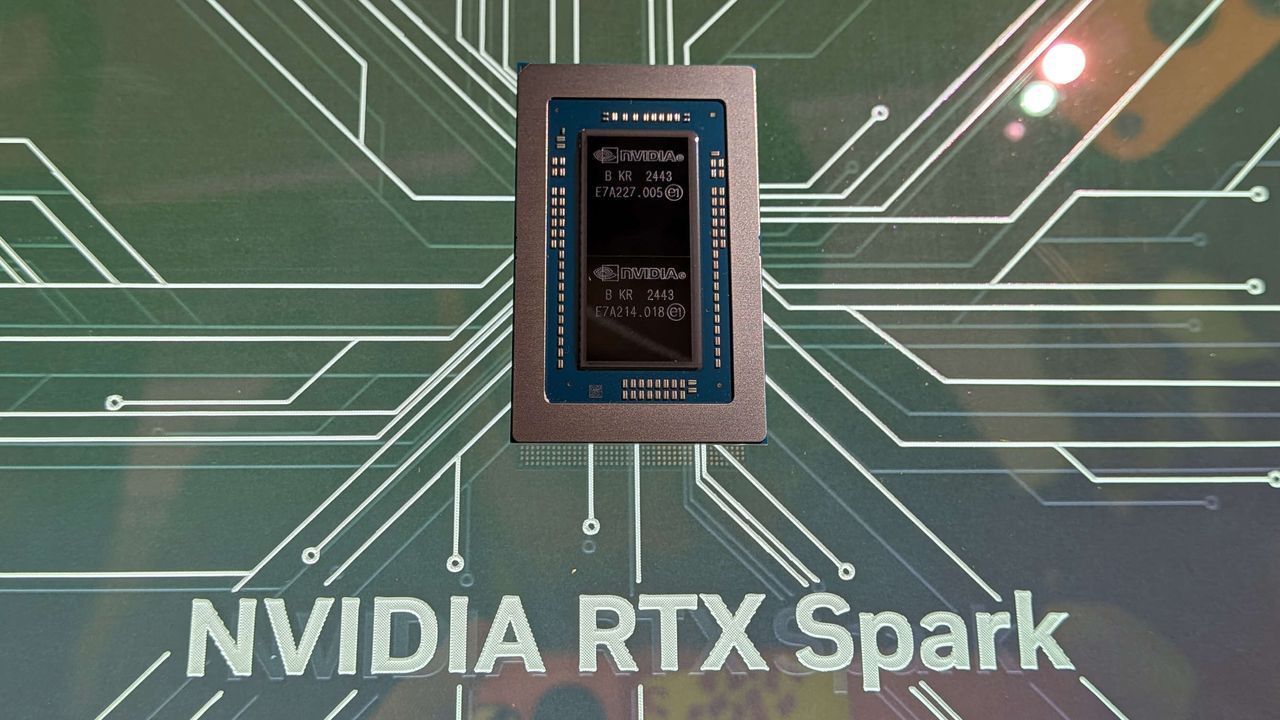
Nvidia Unleashes RTX Spark: The Arm-Powered Revolution in Portable Gaming
After much anticipation at Computex, Nvidia unveiled the RTX Spark processor—a groundbreaking combination of CPU and GPU built on the Arm architecture. This new chip signals a significant shift in portable computing, moving beyond traditional x86 constraints and positioning itself as a powerful contender for both demanding AI workloads and high-end gaming experiences.
RTX Spark is not just another incremental update; it represents Nvidia‘s first proper attempt at a consumer-focused chip that seamlessly integrates core processing capabilities. While its immediate focus lies in accelerating AI agents and simulation worlds, the promise extends far beyond the data center, aiming directly at gamers who demand peak performance on the go.
The excitement is palpable regarding the gaming potential. Nvidia has suggested that RTX Spark systems could deliver stunning frame rates, potentially hitting 100 fps at 1440p resolution in the latest titles. The real challenge lies in squeezing this level of graphical power into a thin laptop chassis while maintaining effective thermal management.
This intersection of raw power and portability is where the magic happens. If laptops can achieve such performance with a slim design, it fundamentally changes what we expect from mobile hardware. Enthusiasts are already looking forward to seeing how this technology translates into real-world gaming experiences, pushing the boundaries of what thin laptops can accomplish.
The launch of RTX Spark is set to roll out across a wide range of major brands, signaling a broad industry adoption. Nvidia confirmed that systems utilizing the new chip will be available this fall from giants like Asus, Dell Technologies, HP, Lenovo, Microsoft Surface, and MSI. Further partnerships with Acer and Gigabyte will ensure that these powerful processors are accessible to an even wider market.
This widespread availability ensures that consumers have diverse options for integrating RTX Spark into their preferred systems, whether they prioritize professional AI tasks or immersive gaming sessions.
Beyond the hardware itself, Nvidia continues to refine its toolkit for developers. At SIGGRAPH 2026, a major announcement focused on DLSS 5, offering gamers and developers closer control over advanced features like the AI filter through newly introduced sliders. This focus on granular control over rendering techniques promises a richer, more adaptable visual experience.
With these advancements in both hardware architecture and software controls, the upcoming fall season promises to be an interesting time for PC gaming as we integrate these powerful new technologies into mainstream devices.
Buy on Amazon
Credit
