Stellar Blade’s MV Is AI Slop
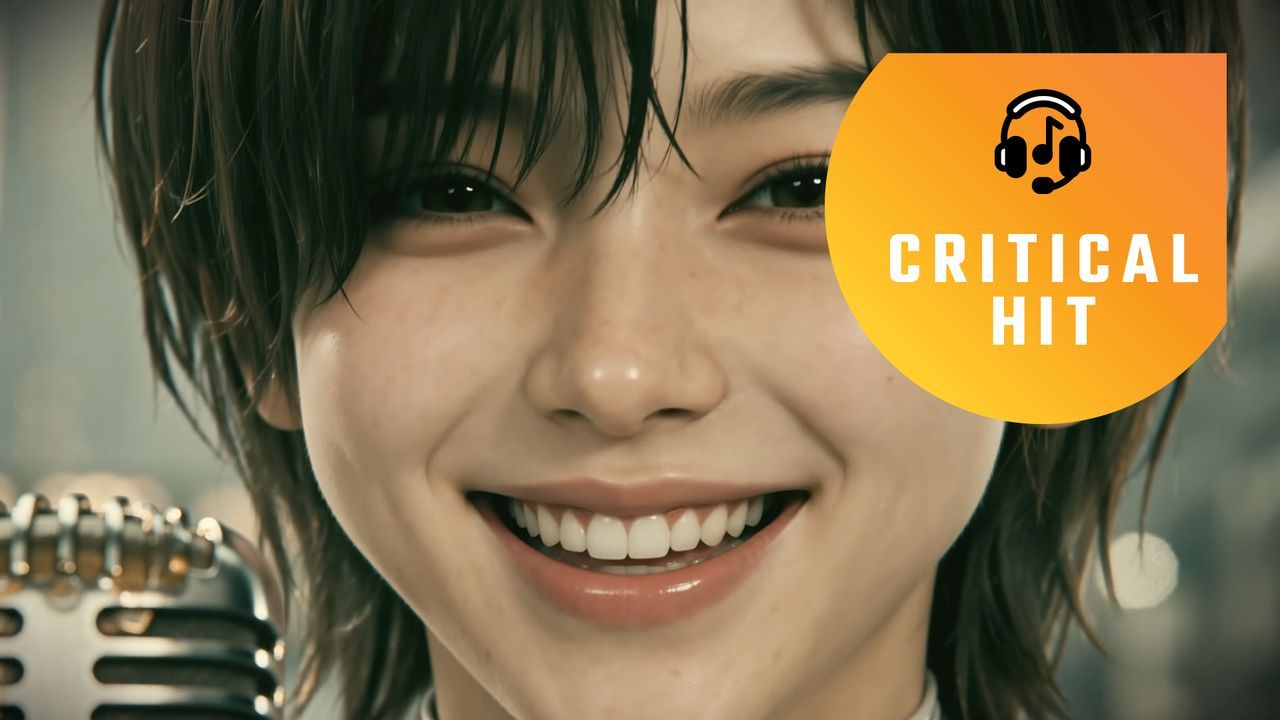
The world of video game soundtracks has long been a sanctuary, crafted by human artists who infuse music with genuine emotion. But lately, that sanctuary has been threatened by an unsettling new force: artificial intelligence. A recent move by ShiftUp has thrown this cherished tradition into sharp relief, sparking a vigorous debate about the soul of digital art and the role of automation in entertainment.
The controversy centers around the upcoming title Stellar Blade: Blood Rain. While the game itself is generating anticipation, the accompanying promotional material—specifically the music video and soundtrack—has drawn significant criticism for being aggressively synthetic. Instead of offering a cohesive theme, the release features AI-generated content that many found deeply unsettling.
The visuals themselves are jarring. The promotional video features character Evie in an outfit that looks bizarrely manipulated, while the accompanying music is anything but soothing. It’s characterized by shrill, computerised bleeps masquerading as singing, quickly dissolving into a cacophony of robotic words that fail to connect with the established aesthetic of the game world. This auditory experience and visual presentation actively undermined the atmosphere ShiftUp was attempting to build.
This approach raises serious questions about the value of art in gaming. When the emotional resonance of a soundtrack—the music that makes us cry, pump up, or feel joy—is delivered by an algorithm devoid of genuine feeling, does it diminish the entire artistic experience? The consensus is clear: video games are a form of art, and they require a human touch to truly resonate with players.
This critique is particularly frustrating when considering the position of ShiftUp. As a company that commands significant revenue from popular gacha games like Nikke: Goddess of Victory>, ShiftUp has substantial financial backing and, crucially, an established roster of human talent. The company employs rhythm game composers who have contributed significantly to the discography of Nikke, proving that high-quality, emotionally rich music is achievable through human dedication.
It seems the decision to rely on AI for core artistic elements was a misstep. Instead of allowing the team to expand upon the narrative world of Stellar Blade with genuine creativity, the result appears to have alienated potential fans. The public reaction suggests that automated content lacks the depth and sincerity necessary to enrich a game universe.
More concerning is the potential domino effect this trend represents. When major entities begin to normalize the use of soulless AI in their game assets, it opens the floodgates for content that prioritizes speed and profit over quality. This creates a risk of flooding the market with games that feel antithetical to the core passion of the gaming community.
Ultimately, voicing concerns about these artistic choices is crucial. It serves as a vital reminder that even in the age of advanced technology, the genuine magic of video game music and visual storytelling resides in human hands. We must ensure that the pursuit of novelty does not eclipse the fundamental value of authentic, human-crafted art.
Buy on Amazon
Credit