
Valve hardware vs memory crisis can PC gaming survive
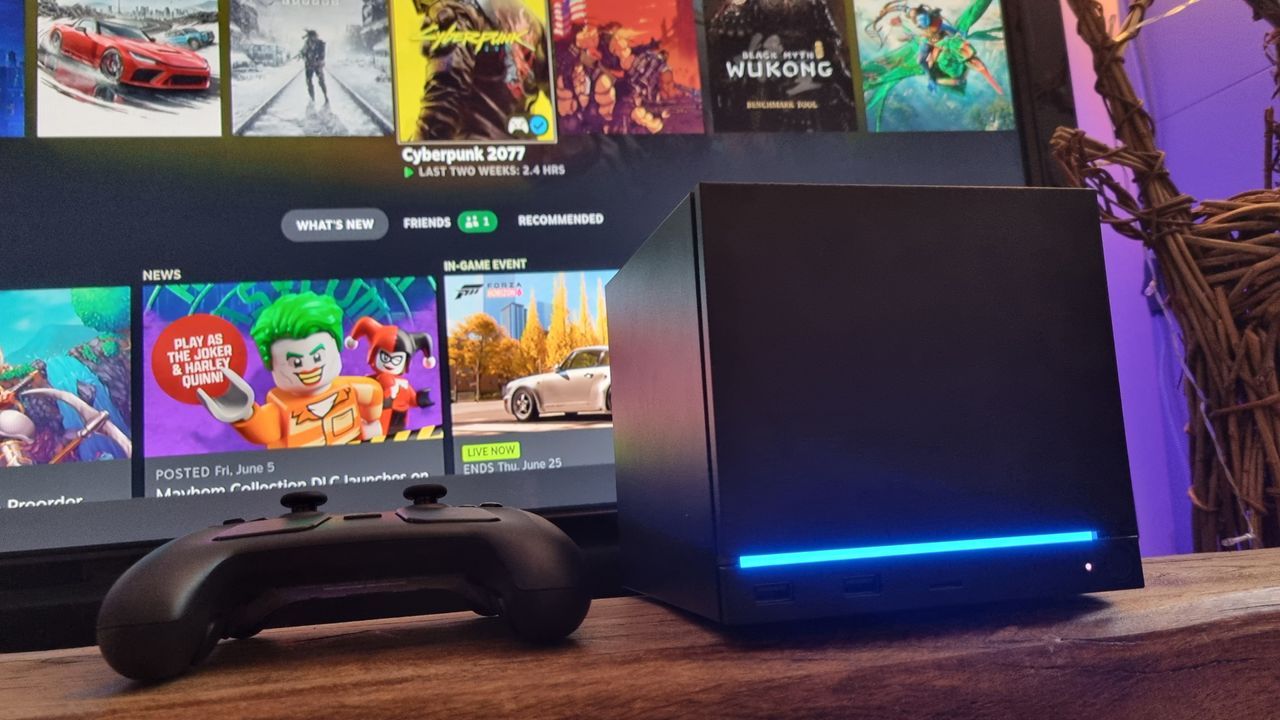
Valve’s journey in making PC gaming accessible through portable hardware has recently hit a massive roadblock. What started as an optimistic vision for the future of gaming has morphed into a frustrating reality defined by skyrocketing prices, dwindling supply, and a whole lot of component crunch.
When Valve raised the price of the Steam Deck OLED model in May, the reaction was immediate and sharp. The 1TB model jumped from $649 to $949, and the 512GB model rose from $549 to $789. While Valve cited rising component costs and global logistical challenges as the reason, the effect felt less like standard market fluctuation and more like a sudden, painful transition for consumers.
This shift wasn’t isolated to handheld devices. The larger ambition—the development of the full Steam Machine—seems to be facing even tougher headwinds. What was once hoped to be an affordable living room PC is now priced significantly higher than anticipated, and availability remains extremely limited.
The underlying story here is far bigger than just a few price tags. Experts suggest that external forces, particularly the massive demand from AI datacenters gobbling up critical components, are dramatically influencing the cost of almost everything in the hardware world. It seems Valve’s dream of an affordable PC experience is running headfirst into a global component scarcity.
The frustration isn’t just about the price; it’s about the fractured ecosystem. Even as the Steam Deck continues to feature prominently in revenue charts, demonstrating enduring consumer interest, the path forward for PC hardware seems incredibly complicated. The transition from portable gaming solutions to full-fledged desktop experiences is proving to be a much more turbulent road than anticipated.
Furthermore, the promised integration has been slow. Even core compatibility modules haven’t kept pace with the existence of the Steam Machine, forcing users into confusing menus simply to check for device compatibility. Developers are also taking their time acknowledging full PC gaming potential on the platform, suggesting that external pressures have indeed demolished some of the viability Valve envisioned.
Yet, even amidst these challenges, the sheer resilience of the community remains undeniable. The Steam ecosystem continues to thrive, with titles like Counter-Strike 2 and Palworld dominating the sales charts, proving that the desire for engaging games endures, regardless of hardware hiccups.
Ultimately, the narrative surrounding Valve’s ambitious hardware plans forces us to reconsider how we view PC gaming. While consoles remain the comfortable, easy route for millions, the Steam Deck and the nascent Steam Machine are still fighting to prove that a powerful, accessible PC experience is attainable—even when the global economic landscape throws curveballs.
Buy on Amazon
Credit