Top Gear Flash Game inspired Kerbal Space Program
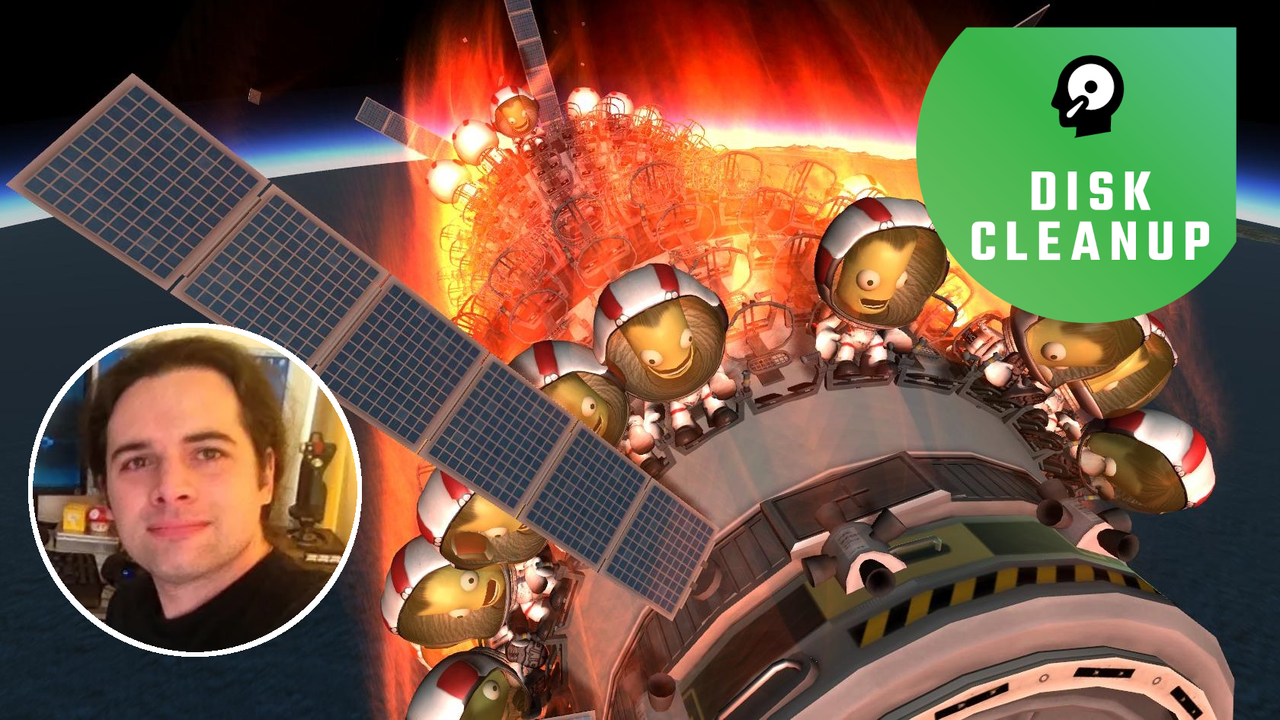
Felipe Falanghe’s journey into the world of PC gaming wasn’t a gentle introduction; it was an accidental dive into the deep end of simulation, modding, and rocket science. Starting his adventure on a borrowed laptop, Falanghe quickly discovered that tinkering with games was far more compelling than any traditional job he held.
His initial foray into gaming began with simulation titles like Flight Simulator 4, where he learned to navigate digital spaces by simply figuring things out and playing along. This foundational experience soon branched into modding and game development, driven by a hunger to create his own worlds.
This creative spark truly ignited in 2010 while he was working at the marketing firm Squad. Despite disliking the work, an opportunity arose: “If you help us these next couple of months, we’ll let you make your game here.” That invitation led him down a fascinating path, solidifying his interest in developing interactive experiences.
The result of this pivotal decision was Kerbal Space Program, a unique rocket science simulator that became one of the highest-rated games on PC. Falanghe viewed KSP with an audacious mindset, operating under the assumption that if he could just make the game work, the theoretical limits of what was possible would follow. He held onto this vision, unwilling to pitch the complexity of KSP to a traditional game studio, instead choosing to build it himself.
Today, Falanghe channels this entrepreneurial spirit through his own development company, Floating Origin Interactive, where he continues to explore new digital frontiers. When taking a pause from development, he turned to his Steam library, revealing a diverse collection that speaks to both deep nostalgia and modern innovation.
Among his favorites is the remastered version of Oblivion. While he admits he didn’t dive deeply into the original, revisiting it now offers a clearer understanding of classic gaming patterns. Coupled with his extensive experience across the Bethesda universe—including Skyrim and Starfield—he finds that the context has completely shifted; the story suddenly makes perfect sense.
Falanghe embraces unconventional playstyles. As a stealth archer by nature, he prefers smooth, gamepad-controlled movement when playing titles like the remastered Oblivion. For pure, satisfying action, he gravitates toward lighter experiences such as BattleBit, enjoying the sharp satisfaction of a well-timed sniper shot.
Nostalgia also plays a major role in his gaming habits. He fondly recalls diving into Old School RuneScape back in 2005, finding surprising depth within that browser game. This experience subtly sparked his interest in game design, demonstrating how simple graphics could mask monumental amounts of complex work.
His relationship with flight simulation has been a lifelong commitment. He has played numerous titles—from X-Plane to the highly anticipated Microsoft Flight Simulator (MSFS). He recounts a period where the lack of a consistent, joyful flight experience led him to explore other simulators, finding true magic in the immersive quality of MSFS’s ability to render satellite imagery and bring places like his childhood home vividly to life.
When it comes to time spent gaming, Falanghe has accumulated over 2,000 hours across various Flight Simulator titles between 2020 and 2024 alone.
Beyond the screen, his setup reflects a preference for functional efficiency. He utilizes software like OBS (Open Broadcaster Software) as the fundamental hub for his work, allowing him to easily share screens and manage streaming. This is complemented by OneCommander, a file explorer he praises for its superior multi-column view, offering a streamlined way to navigate complex folder structures.
For desktop aesthetics, Falanghe has opted out of cluttered icon screens, choosing instead to bring back the classic Windows 10 style Start menu using a tool like Start 11. He finds that minimizing visual clutter is key to focus.
Ultimately, for Falanghe, gaming is more than just entertainment; it is a rich history of engineering challenges and creative possibilities, constantly pushing him toward the next big idea, whether in space or in code.
Buy on Amazon
Credit