Iran cyberattacks target US water suppliers switching to manual control
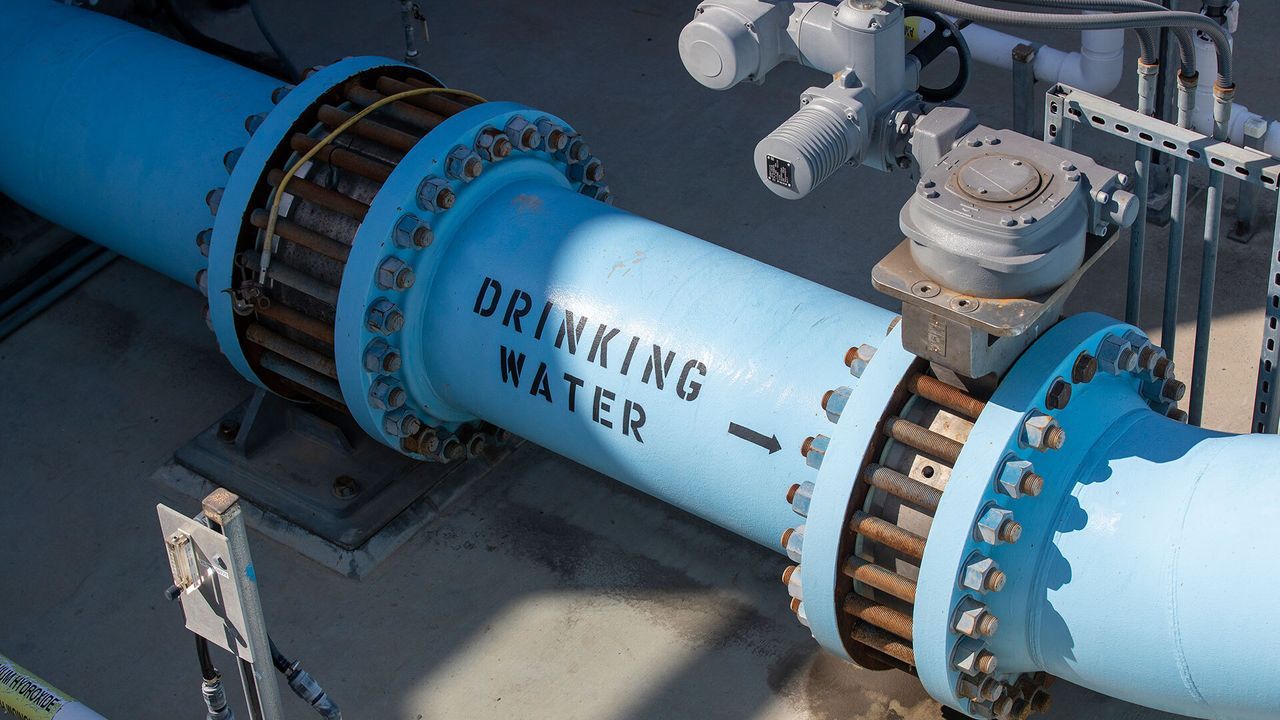
In an era where global conflict is increasingly waged in cyberspace, critical infrastructure is proving to be one of the most vulnerable targets. Seven states have recently reported cyberattacks targeting their water supply control systems, sending ripples of concern through local governments and federal agencies alike.
While authorities are diligently searching for evidence of major service disruptions, the underlying threat remains serious. The attacks reportedly focused on older computer systems responsible for monitoring water quality, adjusting chemical treatments, and controlling pressure—systems that are often connected to the internet and represent a significant security gap.
The geopolitical dimension of these incidents is particularly fraught. Although there is no definitive proof linking the attacks directly to Iran, suspicions persist among officials that state actors may be behind the actions. The fact that the attackers made zero financial demands suggests a motivation rooted in state interests rather than monetary gain, pointing toward sophisticated, politically motivated operations.
The pattern of these incidents has escalated alongside broader international tensions. Initial reports emerged from states like Minnesota and Michigan, underscoring a national concern about the safety of essential services.
For smaller municipalities, the challenge is magnified. In areas such as Braham, Minnesota, local officials are grappling with how to secure systems without crippling budgets. Mayor Nate George noted the difficulty, admitting that upgrading the necessary IT infrastructure to ensure future security is highly costly for a small community.
Despite the uncertainty regarding attribution, federal sources have hinted at suspicions. Information shared by state bodies and the FBI suggests a strong likelihood that Iranian actors are responsible for these digital intrusions.
This vulnerability is not new. History shows that cyber warfare has evolved rapidly into a fifth domain of conflict. Earlier incidents involving groups like Iran have targeted essential systems, demonstrating an evolving threat landscape.
From the 2009 attack by Stuxnet, which damaged tools related to the Iranian nuclear program, to the recent deployment of malware like CanisterWorm against Iranian machines, state-sponsored hacking has become a stark reality. These historical events underscore that when critical infrastructure is at stake, the digital battlefield is now inescapable.
As governments focus on strengthening defenses and investing in resilient systems, the challenge for communities across the nation is clear: securing the invisible layer of digital technology that keeps modern society running.
Buy on Amazon
Credit