
GPU Prices Skyrocket 2026 VRAM Costs Drive High Prices
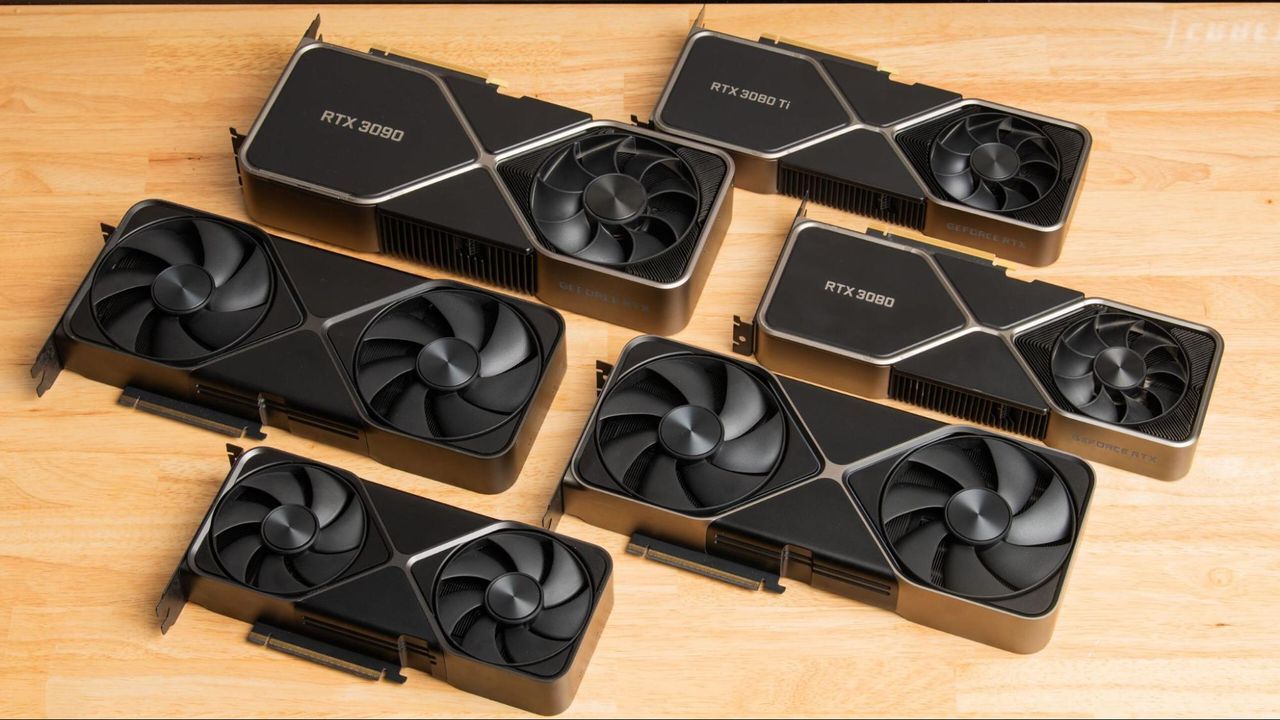
The dream of upgrading your PC often comes with a hefty price tag. If you’ve been tracking the world of graphics cards lately, you know that the current market feels less like a technological revolution and more like an economic rollercoaster. We see stunning new hardware rolling out, yet for many consumers, the path to an upgrade is paved with exponential costs.
When we look back at just a year or two ago, buying components felt achievable—maybe even a bargain during a sale. But for those waiting to enter the bleeding-edge GPU arena, the landscape has shifted dramatically. We are currently navigating the aftermath of the AI crunch, and that pressure is visible in every price tag.
This pricing escalation isn’t arbitrary; it’s rooted in the very physics of manufacturing and technology. The cost of new graphics cards is inflated primarily by the sheer amount of high-speed memory, or VRAM, required. As demand for AI processing skyrockets, adding more memory to a GPU becomes exponentially more expensive. This cost isn’t just absorbed by Nvidia or AMD; it ripples through the entire supply chain, increasing manufacturing expenses and ultimately hiking prices for us consumers.
While there are no immediate stock issues preventing you from acquiring a new GPU, the central challenge remains affordability. Prices keep climbing steadily, especially for the higher-end and most desired models. We track this movement closely, watching how initial Manufacturer Suggested Retail Prices (MSRP) are often bypassed by market realities.
Consider the flagship example: Nvidia’s GeForce RTX 5090. Its price has soared from an initial launch MSRP of $1,999 to a current average seen near $4,288—a staggering increase of nearly 115%. This trend illustrates that GPU inflation is not just a minor fluctuation; it’s systemic.
The lack of meaningful discounts further compounds the issue. Major sales events like Black Friday or Prime Day rarely deliver the jaw-dropping deals consumers crave. The market suggests that current generation cards, even those from Nvidia and AMD, have managed to hold their value relatively well, indicating that massive price drops are unlikely ahead of the next wave of releases.
In the competitive landscape, value becomes a critical factor. When comparing high-end options, such as the Radeon RX 9070 XT against the Nvidia RTX 5070 Ti, the difference can be substantial. This highlights the need for careful consideration beyond raw performance benchmarks.
When choosing a card, it’s time to look past simple frame rates and consider the supporting features. Do you prioritize ray tracing? How important is frame generation technology? And critically, what about video encoding and streaming capabilities? While Nvidia often leads in some cutting-edge software, AMD has been providing more VRAM on lower-tier GPUs, which can be a game-changer for high-resolution gaming.
Ultimately, if you need a graphics card today, the smartest approach is to focus your research. Don’t simply chase the highest theoretical performance; weigh what features matter most to your specific gaming experience. While we patiently await the definitive specifications of the next generation—which will inevitably be more expensive than this one—smart purchasing means understanding the cost drivers and making informed choices now.
Buy on Amazon
Credit