AI Music Hacked Stealing Millions of Songs
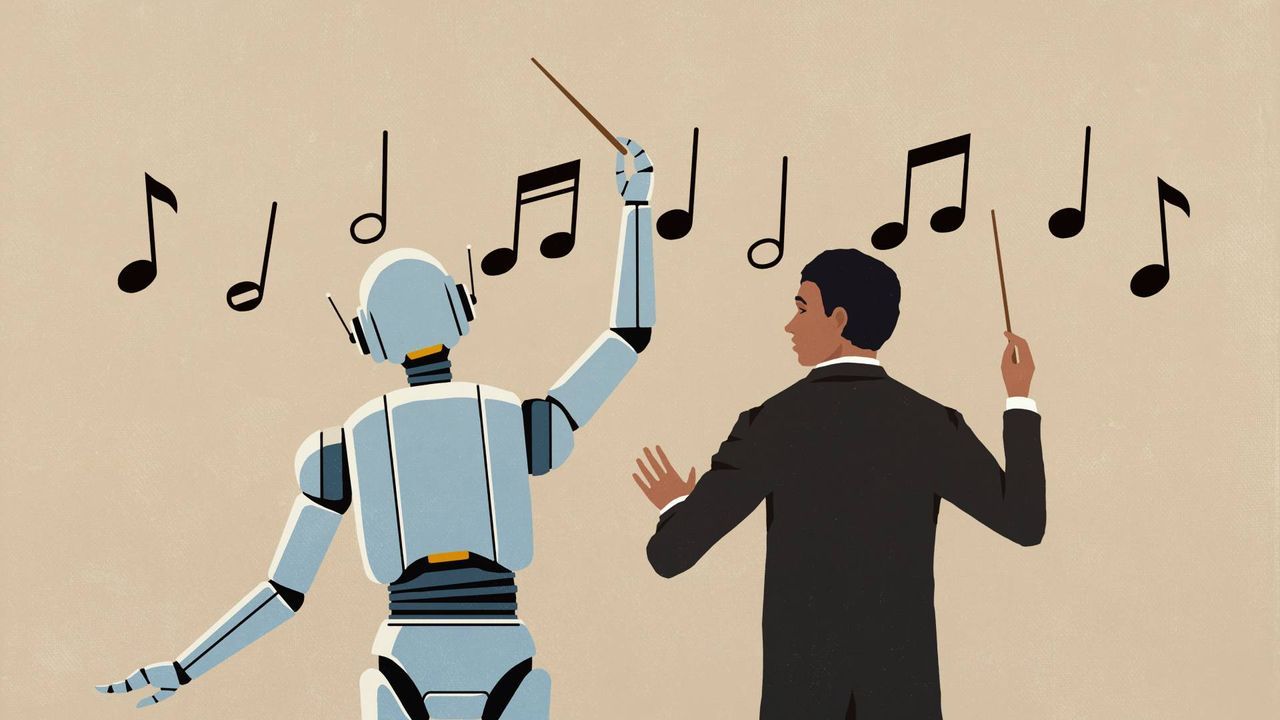
The digital soundscape of AI music generation is built on a foundation that is perhaps more complex—and legally precarious—than it first appears. A recent security breach at Suno, the popular online AI music generator, has brought the murky waters of copyright and data scraping firmly into focus, revealing exactly what fuel powered the creative engine.
The intrusion exposed references to the vast trove of material used to train the Suno model, confirming that the tool ingested “essentially all music files of reasonable quality that are accessible on the open internet.” This admission immediately ignited a legal firestorm. While the company defended its training methods under fair use principles, industry groups, particularly the Recording Industry of America, have vigorously challenged the practice, accusing Suno of unlawfully scraping copyrighted tracks from platforms like YouTube.
The sheer scale of the data involved is staggering. Investigations into the leaked files indicate that the process wasn’t limited to a few songs; it suggests an ingestion system capable of absorbing decades of musical history. Datasets revealed figures including over two million music clips scraped from YouTube Music, alongside references to hundreds of thousands of hours of content from sources like Genius and Deezer. This evidence points toward the use of sophisticated methods, including third-party proxies and tools used to locate and catalogue audio media across the web.
This vast ingestion process places Suno at the intersection of cutting-edge technology and established intellectual property law. The debate over whether training an AI on copyrighted material falls under fair use protections is ongoing, with recent court rulings—such as those concerning Anthropic and Meta—setting precedent that some accept this behavior in the context of AI development.
Despite the legal precedents arguing for the permissibility of data scraping, the music industry remains deeply concerned. Artists and representatives have voiced widespread apprehension about platforms like Suno and the influence of generative AI on the integrity of their work. The core worry is that this technology, while promising new creative opportunities, risks diluting royalty pools and devaluing the labor of legitimate artists.
Suno has responded by asserting that its models operate on publicly available files and metadata. They continue to emphasize safeguards designed to prevent impersonation and misuse, stating a commitment to developing technologies for AI identification. However, as the AI music revolution continues to accelerate, the tension between open internet data access, technological innovation, and the rights of creators remains an unresolved, high-stakes negotiation.
Credit