How do you feel about Windows 11 improvements
Software updates often feel less like innovation and more like an unwelcome renovation. We live in a world where operating systems are constantly evolving, yet every major change seems to trigger a familiar mix of resistance and grudging acceptance.
It’s a phenomenon we all experience—the reluctance to embrace the next iteration, even when it promises smoother performance or better design. Think of the generational shift with Windows; some users fiercely clung to the familiar comfort of previous interfaces, viewing new designs as unnecessary hurdles rather than genuine improvements.
This resistance isn’t just about aesthetics; it’s rooted in workflow. For many users, familiarity breeds efficiency. Learning a new menu structure or rearranging a beloved layout requires mental energy that is often better spent on actual work.
But as technology marches forward, there are moments when the change lands differently. Sometimes, the very features we resist become obsolete, and sometimes, embracing the new perspective reveals an unexpected advantage.
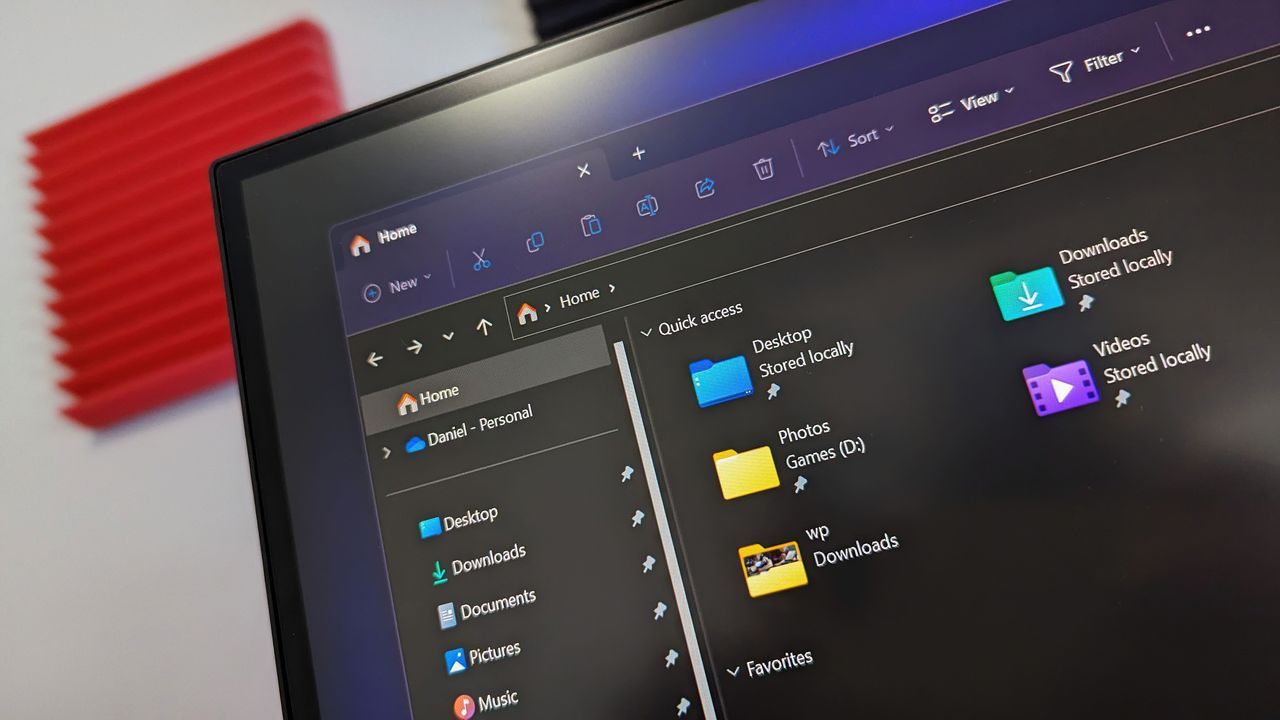
This tension plays out in the realm of Windows 11, particularly with upcoming refinements designed to make the operating system more intuitive and efficient. One notable upcoming tweak is set to affect how users interact with their files within File Explorer.
Starting next month, the File Explorer will display file sizes using appropriate units, specifically kilobytes (KB), megabytes (MB), and gigabytes (GB). This change moves away from displaying massive, confusing numbers like millions of KB toward easily digestible figures, such as 1.5GB.
While many users will likely welcome this shift—seeing it as a clear step toward user-friendly design—it also highlights a common digital dilemma: the conflict between clarity and comfort. Users accustomed to working with pure numbers sometimes find themselves adjusting to new conventions, leading to a brief but necessary learning curve.
The underlying question remains: when does an improvement feel like an imposition? As technology providers continue to integrate features, the balance between innovation and user familiarity will remain a crucial point of discussion for everyone navigating the digital landscape.
Buy on Amazon
Credit