
Elon Musk’s $16.8B chip facility starts taking shape
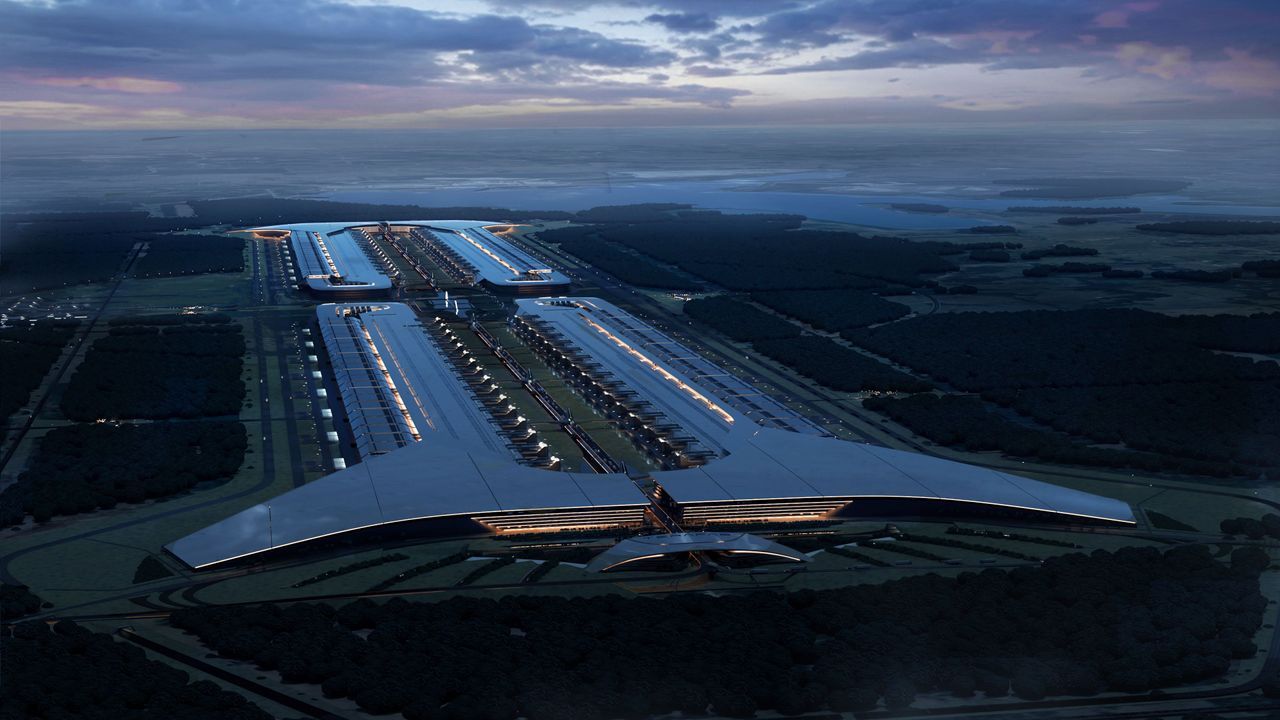
The future of computing isn’t just evolving; it’s being manufactured. SpaceX and Tesla recently unveiled an ambitious blueprint for a semiconductor manufacturing campus that promises to redefine what is possible in advanced technology: Terafab.
This massive undertaking centers around building a vertically integrated facility in Grimes County, Texas, designed to exclusively fuel the demands of Elon Musk’s companies. The initial phase of this plan requires a staggering 16.8 billion dollars in investment, aiming to house over 100 million square feet of manufacturing space.
The scale is mind-boggling. While 100 million square feet might sound large, the true ambition lies in what this complex will achieve. Rather than being a standard factory, Terafab is envisioned as a fully integrated campus where logic devices, memory chips, packaging, and testing operations are consolidated under one roof. This vertical integration isn’t just about efficiency; it’s about radically shortening production cycles and accelerating iterative improvements by eliminating the traditional bottlenecks found across separate facilities.
The driving force behind this colossal project is unprecedented demand. SpaceX and Tesla project that their combined need for semiconductors alone will exceed 1 terawatt (TW) of compute per year—a figure that dramatically outstrips current global supply. To meet this requirement, the new fab will specialize in producing customized chips: high-power processors necessary for SpaceX‘s space-based data centers, and specialized AI inference processors required for Tesla’s Optimus humanoid robots and Cybercab autonomous vehicles.
Think of it as creating bespoke silicon tailored precisely to their unique needs. Instead of competing in the general market, these chips will be purpose-built accelerators for the most advanced applications in space exploration and autonomous transportation.
The physical footprint itself is a statement. The facility is planned to occupy four massive buildings and will employ at least 3,000 people, with between 60% and 80% of that workforce drawn from Grimes and nearby Brazos County residents. This commitment isn’t just economic; it’s about creating high-tech jobs right in the heart of the Texas landscape.
Sustainability is also baked into the design. Recognizing the environmental impact of such massive operations, Terafab plans to draw water from Gibbons Creek Reservoir and incorporate on-site wastewater treatment, recycling, and conservation measures, setting a new standard for industrial manufacturing practices.
This ambitious campus builds directly on Tesla’s earlier groundwork in Texas, establishing a clear pathway toward self-sufficient, cutting-edge semiconductor production. Terafab isn’t just a factory; it’s an operational hub designed to handle the exponential demands of the AI and space revolution, proving that true innovation requires not just technological leaps, but equally massive physical infrastructure.
Buy on Amazon
Credit