Former Dragon Age boss calls EA a hedge fund and predicts series death
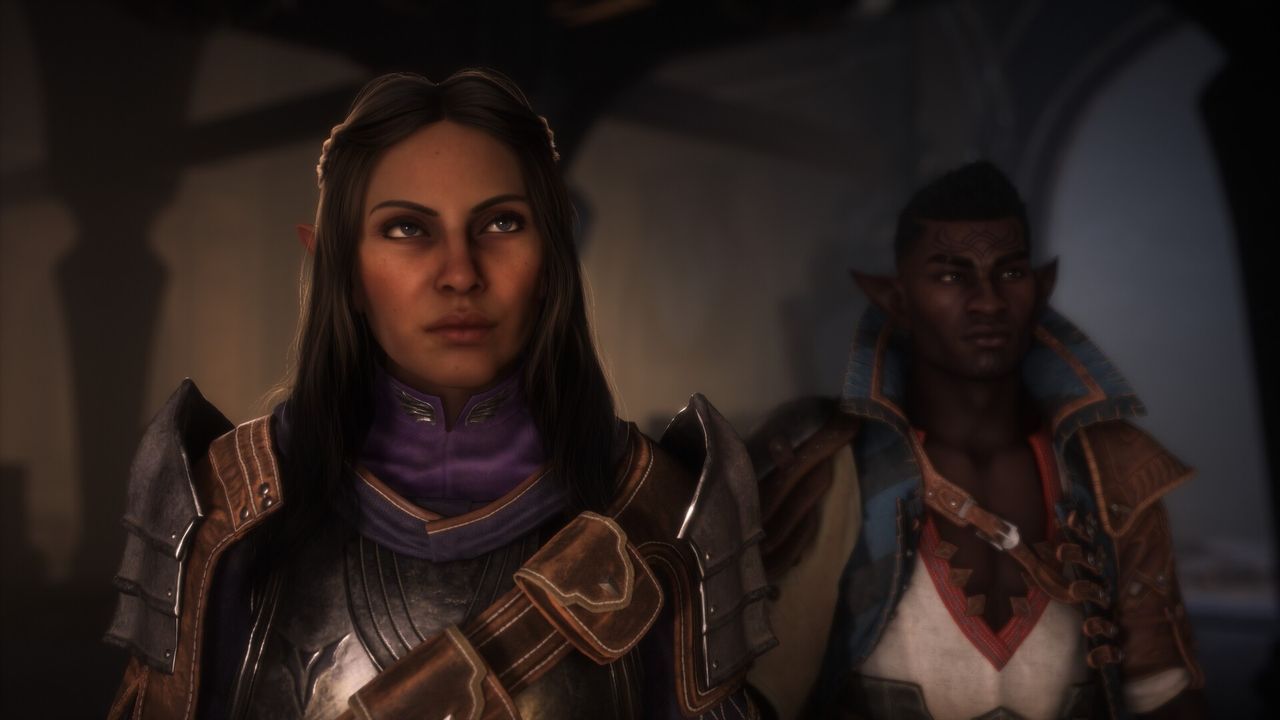
The Ghost of Dragon Age: Why Corporate Dollars Are Putting BioWare on the Spot
For years, the Dragon Age franchise has been a cornerstone of the RPG landscape, celebrated for its rich lore, complex characters, and immersive world-building. Yet, as the industry shifts toward massive financial strategies, this beloved series is facing an existential reckoning. The latest installment, Dragon Age: The Veilguard, has not delivered the expected sales performance, signaling a deeper tension between creative vision and corporate profit.
This performance dip has sent ripples through the development world, raising serious questions about the future of BioWare and the fate of IP owned by Electronic Arts. The specter of corporate restructuring looms large, with reports suggesting that BioWare is shedding talent in a dramatic realignment, leaving fewer than 100 people behind. For those who built these worlds, this shift feels less like a simple business decision and more like watching a legacy slowly dissolve.
The core issue, according to former Dragon Age stalwart Mark Darrah, lies in Electronic Arts’ complicated and often detached relationship with the act of shipping games. Darrah paints a picture of a corporate environment that seems more focused on financial maneuvering than genuine creative stewardship. He described EA as something akin to a hedge fund with a videogame hobby—a perspective that highlights the disconnect between the artistic demands of creating a masterpiece and the purely transactional nature of the business.
This detachment extends to how franchises are managed. Darrah expressed deep uncertainty about who at EA would ever be willing or able to pitch a new Dragon Age title. He suggests that when a game is conceived, it often faces a barrage of competing interests, and he suspects that outside influence—and internal corporate priorities—make the continuation of established IP highly precarious.
The pressure intensifies when viewing EA’s broader financial moves. The company’s pursuit of massive leveraged buyouts, such as the recent $55 billion acquisition, places enormous risk on the entire portfolio of games. This financial entanglement means that projects like Dragon Age are now subject to a relentless cost-benefit analysis, potentially leading to significant creative bloodletting across other properties.
Another voice in this discussion, former Dragon Age lead writer David Gaider, offered a slightly more optimistic, albeit resigned, assessment of the franchise’s trajectory. While acknowledging that the series may be on the brink, Gaider suggested that if the IP were to find a new home—somewhere darker and more dangerous—it would be welcomed. His sentiment suggests that the creative spirit behind Dragon Age is resilient, even if the corporate structure around it is trying to force a change.
Ultimately, the story of Dragon Age serves as a potent reminder: for giant franchises to survive in the modern ecosystem, they must navigate not just the demands of players, but the often ruthless and complicated calculus of the corporations that own them. The future of this epic saga now rests on whether creative vision can successfully navigate the often-turbulent waters of corporate finance.
Buy on Amazon
Credit