id Software: Gutted but Alive Making More DOOM games
When major corporations implement sweeping organizational changes, the tremors often run deep, especially within the creative spaces that define modern gaming. The massive layoffs recently announced by Xbox created significant ripples throughout the industry, hitting id Software particularly hard. As a result of these corporate adjustments, the studio lost 136 members of its workforce.
In the wake of this news, fans naturally looked for clarity and assurance regarding the future of their beloved franchise. id Software quickly stepped up to address the concerns circulating online, seeking to put their community at ease. Studio head Hugo Martin took this opportunity to directly engage with the fanbase, ensuring that the focus remained squarely on the games they create, rather than internal corporate turmoil.
During a recent livestream, Martin addressed these anxieties head-on. He offered a powerful reassurance, stating plainly that despite the staff reduction, the core team necessary to build the next generation of DOOM games remains intact. He highlighted that the studio’s current size is comparable to when they first launched the seminal title in 2016, emphasizing that their spirit and creative engine are far from being “gutted or nerfed.”
Martin further elaborated on the team’s continued collaborative strength, noting that idTech engineers work closely with partners like Machine Games across locations. This emphasis on deep, cross-studio collaboration signals a resilient structure, suggesting that the creative pipeline is robust and operating effectively despite external pressures.
However, not all fans were entirely convinced by this optimistic statement. The gaming community often reacts to corporate decisions with immediate skepticism. Criticism flowed freely across platforms, ranging from harsh feedback directed at Microsoft to personal messages from former employees who voiced their unease about the stability of the industry and the impact of these corporate shifts.
While some voices expressed anger, others offered a more measured perspective. Founding figures, such as John Carmack, commented on the broader competitive landscape, noting that game development requires success, not just adoration, in a fiercely competitive market. This perspective reminds us that the industry is undeniably brutal, but that doesn’t negate the quality of the work being produced.
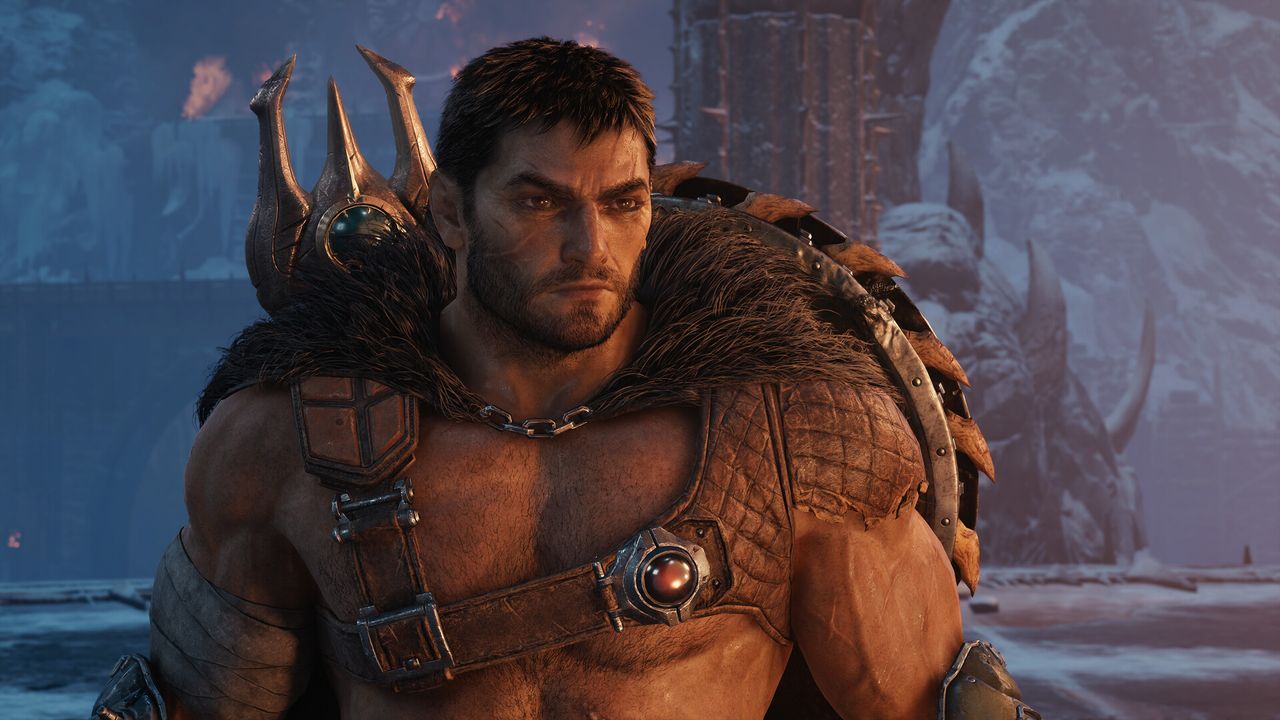
Ultimately, the true measure of any studio’s health lies in its output. The good news, perhaps, is that the recent projects continue to shine. The recent expansion, DOOM: The Dark Ages, has garnered rave reviews from critics and players alike, successfully refreshing the experience with faster-paced gunplay and compelling new content. This success suggests that even amid internal restructuring, id Software continues to deliver high-quality, engaging experiences.
The question now shifts to the future: can a creative team maintain its high standards while navigating external pressures? Only time will tell if this period of transition solidifies into an era of continued creative dominance for id Software and its groundbreaking titles.
Buy on Amazon
Credit