KCD founder tired of the “chosen one” RPG trope
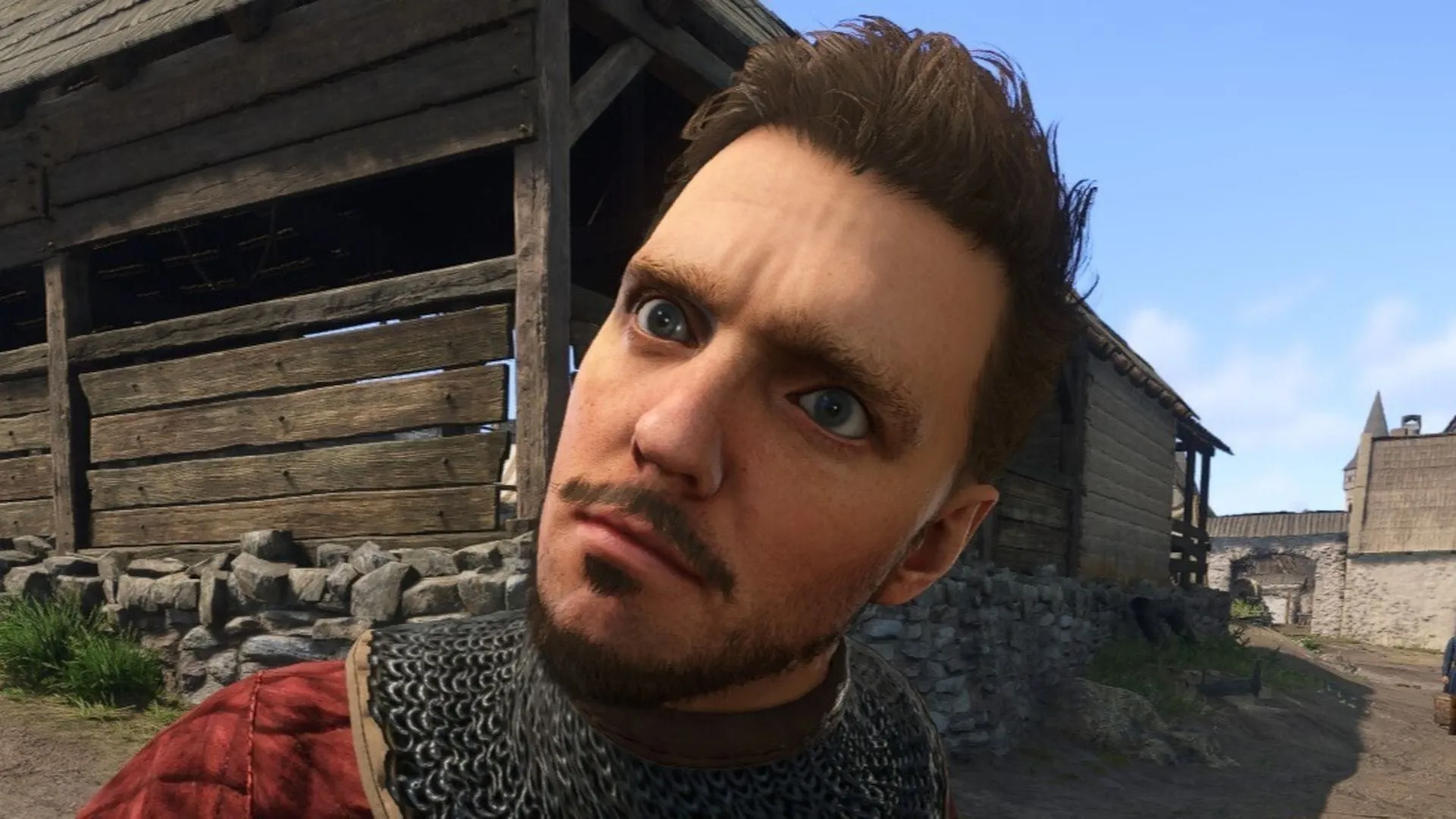
The quest for the perfect video game experience often begins not with a grand vision, but with a simple feeling: boredom. For some creators, the inspiration for truly innovative games is found by rejecting the established formulas that have become painfully familiar. This is the core philosophy that helped shape the creation of Kingdom Come: Deliverance.
Warhorse Studios co-founder Martin Klima recently reflected on the genesis of the game, tracing the idea back to a simple desire to escape the well-worn paths of the role-playing genre. He noted that the standard RPG formula—the narrative of killing a dark lord and pursuing romance—while popular, quickly became tiresome.
“I play a lot of RPGs, and while I genuinely enjoy the genre, I found myself bored and tired of the repetitive nature of these power fantasies,” Klima explained. He likened the typical RPG structure to older, satirical games like Progress Quest, which lampooned the genre for being time-vampire Skinner boxes.
This feeling of fatigue became the fertile ground for a new idea. Klima felt that if there was a vast audience weary of the same predictable narrative structures, there had to be room for something genuinely new. That yearning for novelty provided the seedling that eventually germinated into the world of KCD.
Yet, even with a fresh start, the industry seems keen on recycling old successes. Klima observes that while the game design can be technically beautiful, the core narratives often remain stagnant. He points out that many of the current mainstream choices, including titles from Ubisoft, excel in technical craftsmanship—offering beautiful animations and polished models—but often fall short on true innovation.
The dilemma for developers, he suggests, lies in balancing technical excellence with creative risk. Publishers are adept at taking proven formulas and reapplying them, generating massive revenue, but the challenge remains in pushing the boundaries of what the genre can offer, rather than simply refining what has already been done.
Ultimately, Klima’s experience underscores a persistent tension in game development: the desire for authentic, groundbreaking stories versus the powerful financial pull of repetition. It reminds us that the next great adventure often lies in finding the creative space between what has been done and what could yet be.
Buy on Amazon
Credit
