Memory maker overtakes Tencent to become China’s most valuable company $524B
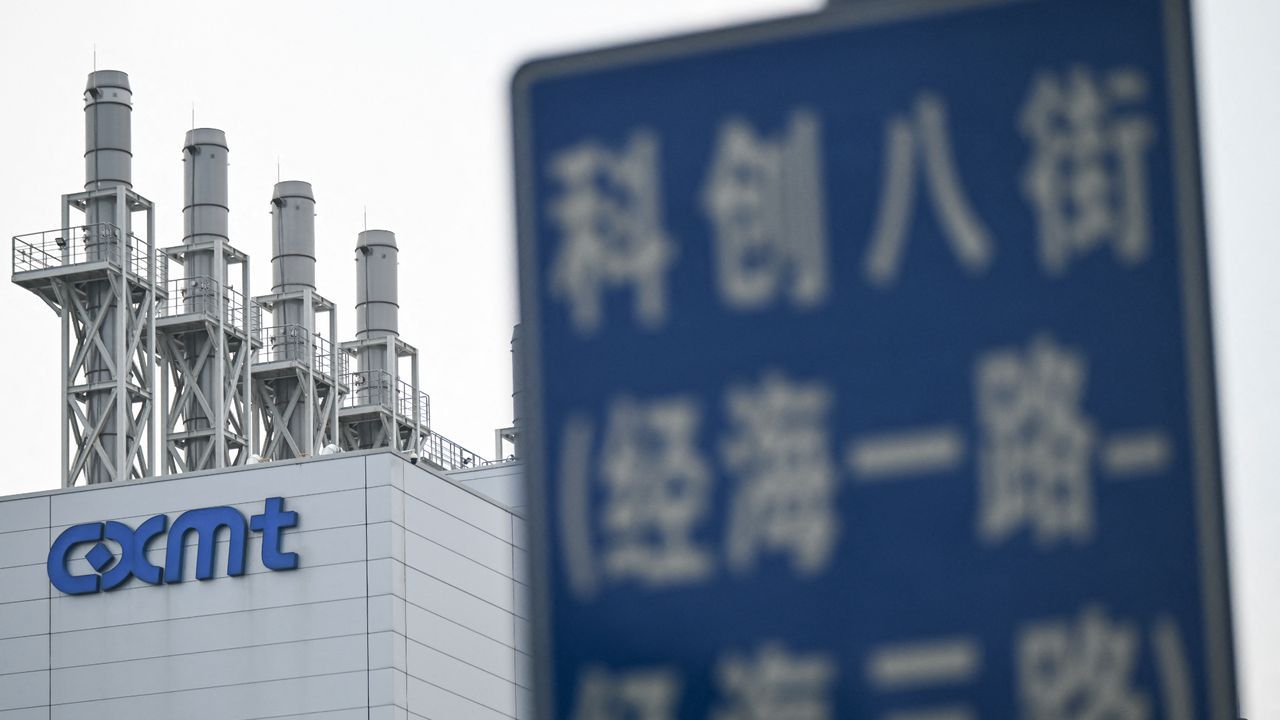
In a stunning market shift that highlights the gravitational pull of artificial intelligence, ChangXin Memory Technologies (CXMT) has officially claimed the title of the world’s most valuable Chinese company, surpassing the internet giant Tencent by market capitalization. This dramatic reordering is less about a single stock movement and more about CXMT’s pivotal role in fueling the massive capital expenditure pouring into the AI infrastructure sector.
The change was directly catalyzed by Tencent’s recent financial disclosures, which revealed an astonishing 176% surge in capital spending dedicated to building out its AI models and agents. As this spending exploded, it created a ripple effect across the supply chain, positioning CXMT at the epicenter of the high-tech hardware race.
This dynamic shift is further cemented by major contractual agreements. Alongside a significant $3 billion server DRAM deal with Tencent signed in June, CXMT secured an even larger five-year server DRAM contract worth over $7 billion with ByteDance in July. These deals underscore the immense demand for high-performance memory chips powering the next generation of computing.
The impact on the company is palpable. Server products within CXMT have seen substantial growth, climbing from 8.4% of revenue in 2024 to a robust 26.5% in 2025. Investors are clearly rewarding the supplier that facilitates the AI hardware build-out, creating an environment where CXMT’s valuation soared just weeks after its own initial Shanghai debut.
Currently holding 7.67% of the global DRAM market in 2025, CXMT’s $524 billion market capitalization now places it roughly half of Micron’s and about 60% of SK hynix’s valuations. The company is actively working to close its output gap, targeting a third of the DRAM memory market share by 2030 through ambitious plans for a sixth mega-fab.
Despite these ambitious goals, CXMT faces the ongoing technological hurdle of lacking access to advanced EUV lithography tools currently utilized by its rivals. Yet, the company has demonstrated financial resilience, swinging to an operating profit of $5.2 billion in the first quarter, riding the overall climb in DRAM prices throughout the memory shortage.
The journey for CXMT is a powerful illustration of how deeply integrated semiconductor supply chains are with the future economy. While analysts remain divided on long-term rankings, the market clearly recognizes that in the age of AI, the memory makers supplying the infrastructure are the new titans of global commerce.
Buy on Amazon
Credit