
Asus ROG Edition 20 Gaming PC Build Powerhouse
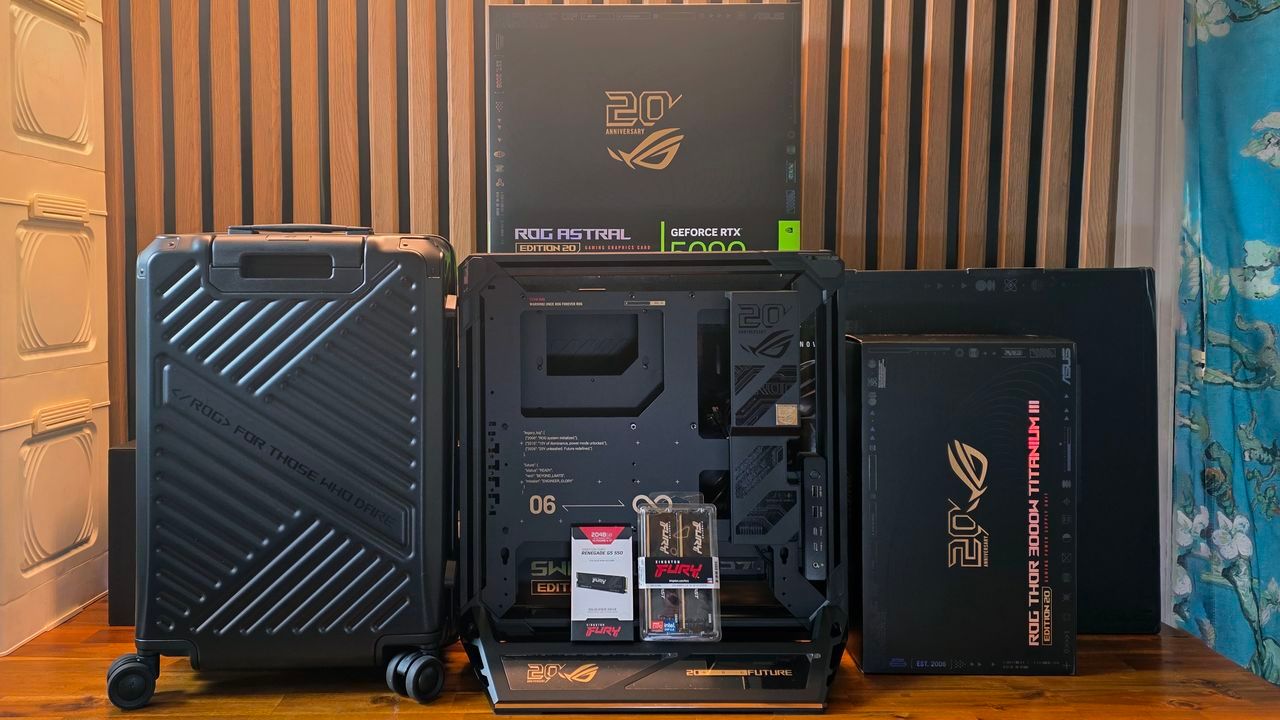
This text is a detailed, hands-on review and walkthrough of building a high-end, aesthetically focused PC, specifically featuring components from the Asus ROG Edition 20 line.
Here is a summary and analysis of the key points:
—
Summary of the Build Process
The article chronicles the complex process of assembling a system, focusing heavily on cable management, thermal performance, and the integration of premium, feature-heavy components.
1. Cable Management and Aesthetics
The build begins with intricate cable management. The builder had to manipulate PSU cables and use pre-installed cable combs to improve the appearance of the cables. A major step involved installing and manipulating the cable shroud to achieve a “clean” backside look. The text notes that following the instructions for mounting brackets was surprisingly difficult, suggesting a gap between the documentation and the physical execution.
2. GPU and Cooling Installation
The installation of the GPU and cooling system is a critical part of the process:
Blower Fan: The system utilizes a GR20 blower fan that is mounted to the bottom of the case, directing airflow across the components.
Brackets: Custom aluminum brackets were required to support the motherboard ports and the GPU ports, adding complexity to the physical mounting process.
GPU Seating: Installing the massive ROG Astral RTX 5090 Edition 20 required careful maneuvering. The builder had to secure the card using multiple screws across the port brackets and GPU support brackets.
3. Display and Final Touches
The build culminates in installing the specialized curved AMOLED screens.
Screen Installation: The larger cooler screen required careful alignment with the liquid cooling tubes. The GPU screen required a specific connection: a USB cable needed to be run from the GPU’s Type-C port to a Type-A port on the motherboard for it to function.
Aesthetics vs. Utility: The author expresses mild reservations about the necessity of running a separate USB cable just to power the GPU screen, noting that this adds unnecessary complexity for a high-cost component.
4. Performance and Cost Analysis
After the physical assembly, the author benchmarks the system, leading to several key observations:
Quiet Operation: Despite the immense power of the components, the system was surprisingly quiet during gaming, especially with the blower fan distributing heat effectively.
Heat Management: A significant point of discussion is heat distribution. The open-frame design and the bottom-mounted blower fan push heat forward, directly toward the user, which the author suggests requires the system to be placed further away from the monitor to avoid discomfort.
Exorbitant Price: The final, overarching theme is the ridiculous cost of the ROG components. The core ROG parts alone cost over $10,000, and the author compares the final price to custom builds using mainstream components, suggesting that the premium cost is primarily for brand prestige rather than tangible performance benefits.
—
Analysis and Key Takeaways
The article serves as both a technical guide and a critique of the high-end PC market.
1. The Premium vs. Practicality Dilemma
The review highlights the tension between premium design/brand status (ROG) and practical execution/value. The build is undeniably stunning and powerful, but the process is frustrating, and the resulting design choices (like the mandatory USB cable for the screen) feel unnecessarily cumbersome for a $6,000 GPU.
2. Thermal Design is Not Default
The experience with the open-frame case and blower fan demonstrates that how heat is exhausted is as important as how much heat is generated. In this setup, heat radiates forward, directly into the user’s immediate space, challenging the typical expectation of a traditional tower-case setup where heat exits the back or top.
3. The Cost Barrier
The most significant takeaway is the financial reality. The author argues that the price premium for the ROG line is largely a reflection of marketing and brand loyalty rather than superior engineering that justifies the cost difference. The comparison to custom builds using cheaper components suggests that performance parity can be achieved for significantly less money.
Conclusion
The build successfully achieves an unparalleled level of visual fidelity and high-end hardware integration, but the experience is complicated by difficult installation steps and a staggering price tag. It ultimately concludes that while the Asus ROG Edition 20 is a showcase of premium engineering, potential builders seeking maximum performance for their dollar might find significant savings by opting for alternative component combinations.
Credit

