
ASUS can’t make enough RTX Spark laptops due to demand
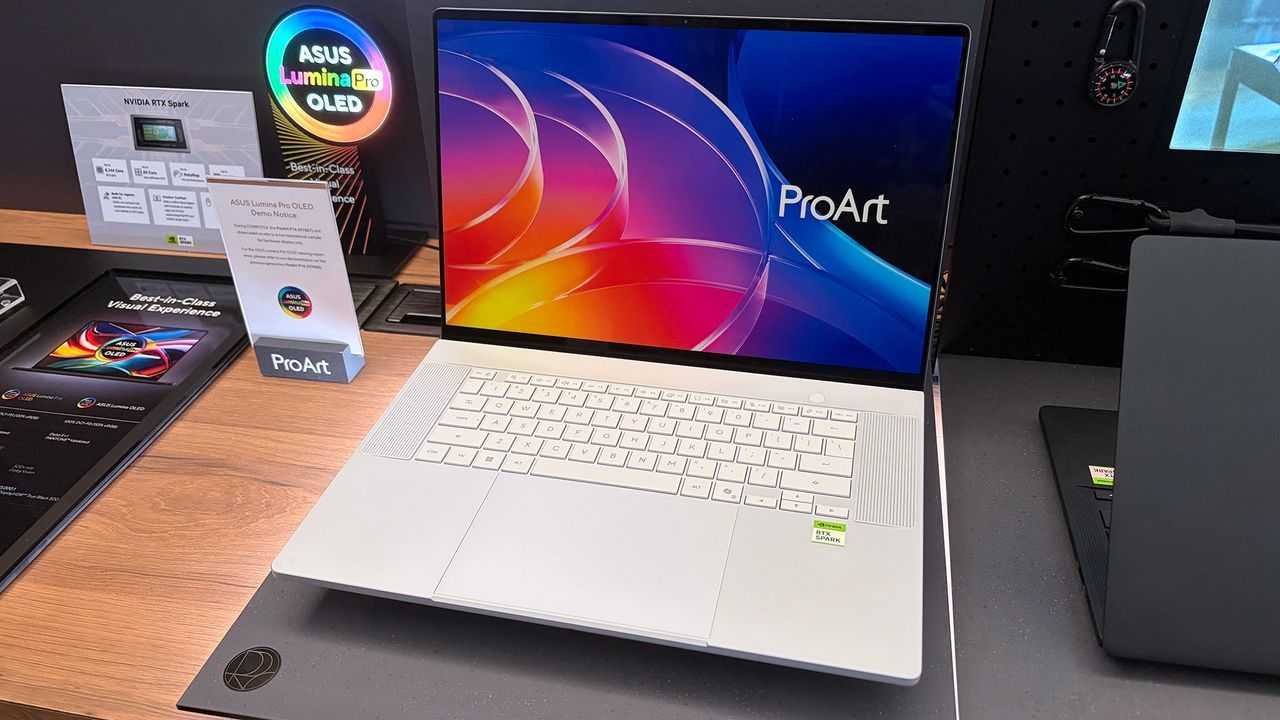
The buzz at Computex this year wasn’t just about new gadgets; it was about a fundamental shift in how computing is built. It was the unveiling of NVIDIA’s RTX Spark System-on-Chip (SoC), a development that promises to redefine the landscape of Windows 11 PCs.
NVIDIA CEO Jensen Huang made a bold promise: an RTX Spark chip for Windows on ARM that could run every application ever made. With Microsoft joining the launch, the vision is no longer just theoretical—it’s rapidly entering the hardware arena.
The hardware response has been immediate and electric. While Microsoft showcased its Surface Laptop Ultra as an early adopter, ASUS quickly stepped up the game with their ProArt line. The ProArt P16 and P14 laptops were among the first to feature the revolutionary RTX Spark technology, turning the show floor into a showcase for sleek, powerful, and highly sought-after machines.
The reaction from the retail community has been explosive. The ProArt models quickly became massive hits, demonstrating an appetite for these new systems that far exceeded initial expectations. This intense demand quickly became clear in the company’s financial results, which showed remarkable optimism about next year’s sales, driven by the incredible AI computing power packed into these compact designs.
The supply chain has certainly caught up to the hype. ASUS has been completely sold out of the ProArt P14 and P16 units allocated for partners, signaling that the market is hungry for this new architecture. As ASUS works to shore up supplies, they are preparing for the Q4 2026 release of even more Spark-powered ProArt PCs.
So, what exactly is the RTX Spark? At its core, it’s an ARM-based SoC that aims to challenge the dominance of Intel, AMD, and Qualcomm. It features efficient ARM CPU cores—similar to those found in Snapdragon chips—paired with an NVIDIA Blackwell RTX GPU. This setup, coupled with a unified memory system that can reach 128GB, allows the system to deliver massive performance without needing a bulky, traditional discrete GPU.
Putting this power into a chassis defined by slim bodies, wide port variety, and stunning 4K OLED displays is what makes the RTX Spark systems so appealing. It’s a compelling blend of efficiency, raw power, and portability, setting a new benchmark for what a modern laptop can achieve.
Buy on Amazon
Credit