Relive Windows Phone with the new Outlook replacement
The Future of Personal Computing: How One Engineer is Reimagining the Desktop
In a world saturated with apps and fragmented workflows, a former Microsoft engineer is pioneering a radical new approach to personal organization. Jeff Fritz, who recently departed from Microsoft, is not just building an application; he is crafting a cohesive digital environment aimed at redefining how we interact with our tools. His project, DayFrame, is exploring how the retro charm of classic Windows design can merge with modern functionality to create a seamless experience.
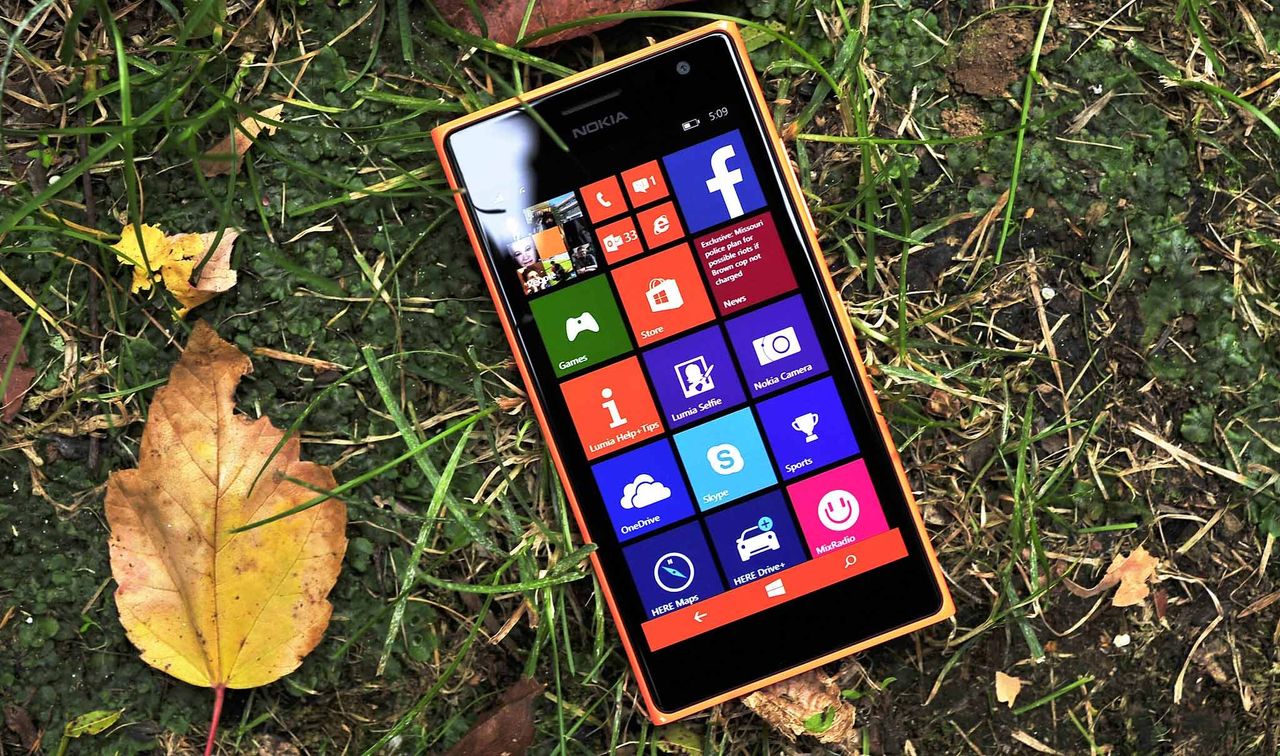
At the heart of DayFrame is an ambitious vision: to make the concept of Live Tiles relevant again in the modern age. This is more than just a visual gimmick; it is an attempt to solve the problem of juggling numerous separate applications by giving every part of your digital world a single, unified home.
DayFrame draws significant inspiration from the design language of Windows Phone, focusing on a persistent hub that acts as the central command center. The design features a distinct tile rail on the left, where essential tools like email, calendar, and contacts are accessed with a single tap. This familiar layout, combined with classic Windows UI elements, creates an interface that is both nostalgic and intuitive.
“Instead of juggling separate apps, DayFrame gives every part of your personal world a home behind a single shell,” explains the project’s vision. This philosophy suggests that true efficiency lies in creating a single, cohesive interface rather than navigating disparate applications.
The aesthetic appeals strongly to fans of retro design, incorporating familiar icons and typography while delivering a modern, functional experience. While the inspiration is rooted in mobile design, the execution is designed to be flexible, ensuring the experience isn’t locked into a single device type.
Significantly, DayFrame is not confined to one operating system. The plan is for the application to be available on both Windows and Mac, ensuring that this vision for integrated personal management can be adopted across the desktop ecosystem.
What makes DayFrame truly innovative is its modular structure. Each module within the application is built independently and tested separately. This approach allows Fritz to expand the functionality of the hub over time by adding new modules without disrupting the existing system, fostering a truly customizable digital workspace.
While the full application is still in development and listed as “Coming soon”, the progress is palpable. Fritz has shared screenshots that reveal not just mockups, but genuinely running code, offering a tangible glimpse into the potential of this concept. As anticipation builds for the private preview, the community is keenly watching to see how this fusion of classic design and modular functionality will shape the next generation of personal computing.
Buy on Amazon
Credit