Intel keeps Raptor Lake CPUs as cheaper DDR5 alternatives
The Unexpected Return of Older Tech: Why the PC Market is Rediscovering Its Gold
In a landscape dominated by bleeding-edge silicon, a surprising trend is emerging: a strong appetite for older hardware. It seems that despite the constant pressure for the newest technology, savvy consumers are finding ingenious ways to maximize performance without breaking the bank, sparking a remarkable resurgence of proven CPU and memory architectures.
This shift is being fueled by market volatility. While the high-speed chase for DDR5 memory has seen prices skyrocket, creating significant hurdles for builders, the market for DDR4 is proving surprisingly resilient. Experts believe that if supply and pricing stabilize, the entry point for capable systems remains highly accessible.
The stability of the market suggests that the industry is seeing a fascinating second life for existing components. It’s not just about buying cheaper; it’s about finding hardware that offers excellent performance for its price tag. For instance, consumers are finding that a capable 32 GB DDR4 kit can be acquired for a reasonable amount, offering a solid foundation for upgrades or cost-effective prebuilt machines.
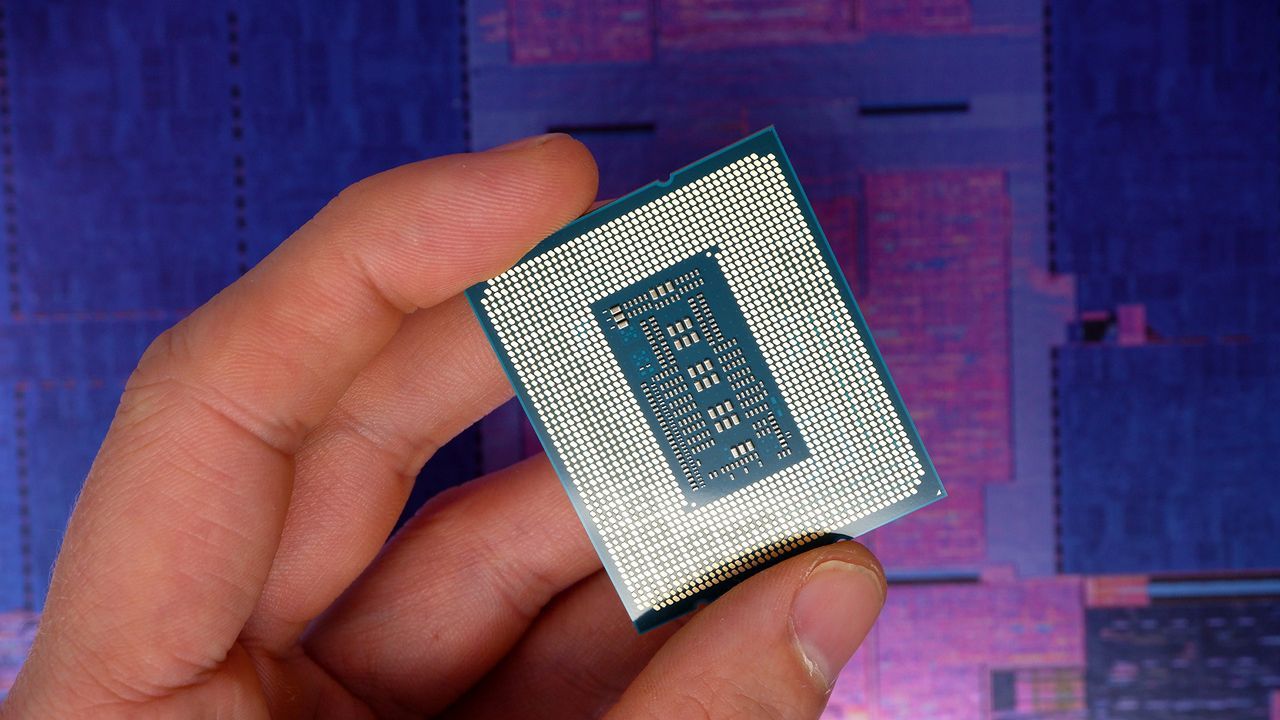
This dynamic has given companies a golden opportunity. Intel’s leadership has recognized this demand, insisting that technologies like Raptor Lake, built on the 10 nm process, remain a core part of their portfolio for years to come. This focus signals a strategic move to capitalize on existing demand rather than waiting for the next inevitable leap.
The outlook suggests a broader trend where consumers prioritize performance and value. If pricing can settle, CPUs like Raptor Lake become highly compelling options. They offer superb performance for gaming and productivity in the near future, making them attractive choices for high-performance rigs in 2026.
This isn’t just an Intel story; the entire processor and memory market is experiencing a comeback. We are seeing a simultaneous return to older architectures, whether it’s Intel’s Comet Lake or AMD’s AM4 platform, which has seen a remarkable return with the reintroduction of chips like the Ryzen 7 5800X3D.
This movement points toward a healthy consumer market, one where users are making intelligent choices about where to allocate their resources. It highlights a desire for quality and capability over chasing fleeting technological novelty.
Ultimately, the trend suggests that the future of computing isn’t solely about the newest nanometers. Instead, it’s about recognizing the enduring value in high-performance components and finding smart, sustainable ways to build the PCs we want.
Buy on Amazon
Credit