
RTX 5090s $4800 Standalone: Who is buying PCs in this chaotic market
The GPU Price Paradox: Why Buying a PC is Cheaper Than Buying a Card
The high-end gaming hardware market has entered a realm of absurdity, where the cost of a single graphics card feels like a cruel joke. We are currently grappling with an astonishing reality: the $1,999 MSRP for the NVIDIA RTX 5090 in 2025 is rapidly escalating, leaving average gamers searching for a GPU price that simply doesn’t exist.
When you look at retail listings, the reality hits hard. The RTX 5090 is currently listed starting at nearly $4,800. This situation forces consumers to rethink their approach to high-end gaming, raising a critical question: is chasing the single most expensive component really the smartest move?
The answer, surprisingly, might be found in the assembly line. It turns out, assembling a complete gaming system featuring the RTX 5090 is often significantly more cost-effective than purchasing the card by itself. This is where the strategy shifts from simply buying a component to leveraging the power of pre-built systems.
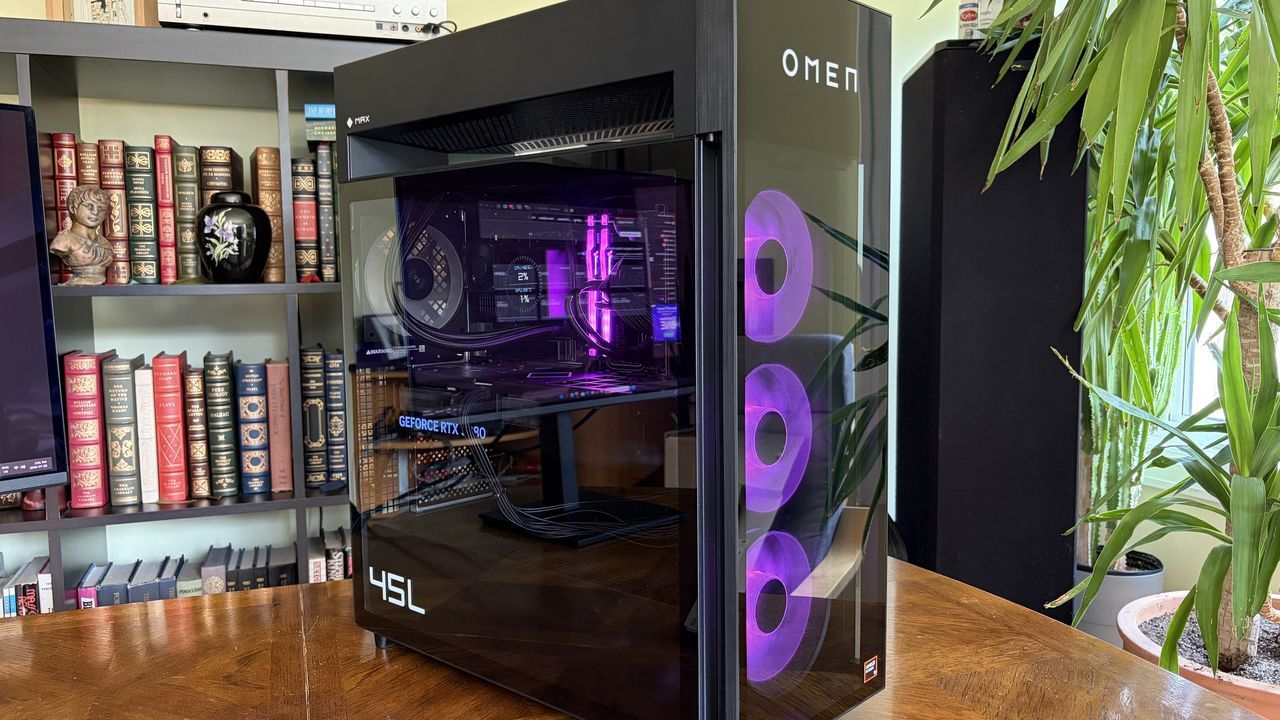
Consider the difference between buying a standalone card and a full desktop package. A pre-built system, like the HP Omen 45L, equipped with the RTX 5090, offers a compelling deal. This system, complete with a powerful Intel Core Ultra 7 265K CPU, ample DDR5 RAM, and fast storage, can be acquired for significantly less than the cost of the graphics card alone.
For example, while a standalone RTX 5090 might cost around $4,799, a pre-built system can be found for under $4,400. This saving isn’t just about the card; it’s about bundling essential components that add up quickly. Adding the CPU, memory, and storage components to a pre-built package amounts to hundreds of dollars in extra hardware, making the total value proposition much more attractive.
This pricing dynamic is driven by broader market pressures, including the ongoing RAM and storage crisis. The scarcity of components like NAND and DRAM is sending prices into deep space, and this effect is compounded by how Original Equipment Manufacturers (OEMs) acquire supplies. Because builders can lock in large-volume component orders at lower costs, these savings often don’t trickle down to the consumer until after the market has reached a fever pitch.
While it might seem counterintuitive, this strategy highlights the chaos gripping the entire PC market. Whether you choose a standalone card or a pre-built system, the key takeaway is that strategic buying and bundling can help mitigate some of the extreme costs. Before you commit to a single component, taking a moment to evaluate the full ecosystem is essential.
Buy on Amazon
Credit