
Intel’s handheld chip: Cheap or Fast enough
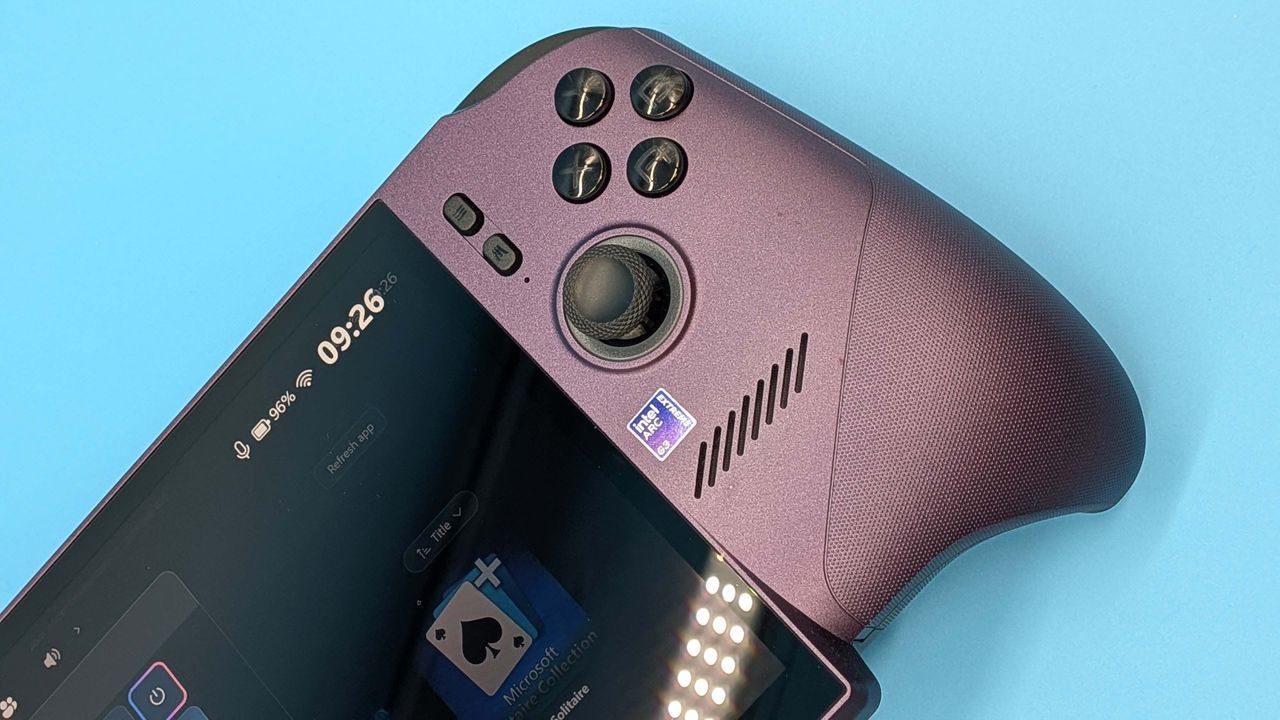
The handheld gaming PC market is currently operating in a fascinating, frustrating space: brilliant potential shackled by outrageous prices. Yet, amidst the current hardware hype, whispers from Intel suggest that the landscape might soon offer a breath of fresh, budget-friendly air.
Rumors circulating among hardware enthusiasts point toward the upcoming Panther Lake chip, hinting at a design shift that could revolutionize handheld performance. If these reports are true, Intel might be offering a configuration centered around four Performance-cores and four low-power Efficient cores, coupled with four powerful Xe GPU cores.
This configuration is significantly leaner than previous high-end processors. To achieve similar GPU power in the past, systems required a much larger array of CPU cores. For example, achieving four Xe cores previously demanded a more complex setup involving eight Efficient cores and four Low-power Efficient cores. This indicates that Intel is focusing on maximizing graphical capability while streamlining the overall architecture.
This architectural focus is particularly interesting when viewed against Intel’s earlier efforts. Earlier this year, Intel introduced the Arc G3 and G3 Extreme processors, specifically targeting the handheld market. These chips managed to pack substantial GPU power—10 and 12 Xe cores, respectively—into small devices, delivering seamless gaming experiences on the go. The G3 Extreme proved that powerful graphics could indeed thrive in handheld form factor.
However, the real stumbling block remains the economics of the handheld PC. While the raw GPU performance is impressive, the current market pricing has pushed handheld gaming PCs into the realm of luxury. A device featuring a top-tier chip can now cost as much as a midrange or even high-end desktop gaming rig, making the current situation feel less like innovation and more like an expensive indulgence.
The core conflict now shifts from pure performance to pure pricing. If Intel moves forward with a leaner design featuring only four Xe cores, it could open the door for handhelds that are less ridiculously priced. The hope is that this efficiency might allow these powerful chips to populate devices that are more accessible to a wider audience.
Ultimately, the future of handheld gaming hinges less on the processor specs and more on market realities. Even with a streamlined chip, handhelds will still be constrained by the current scarcity and exorbitant cost of memory and storage. The next phase of development will require not just clever chip design, but a fundamental shift in how we price essential components to truly make handheld gaming accessible.
Buy on Amazon
Credit

