
How WSL drives Linux growth on Windows 11
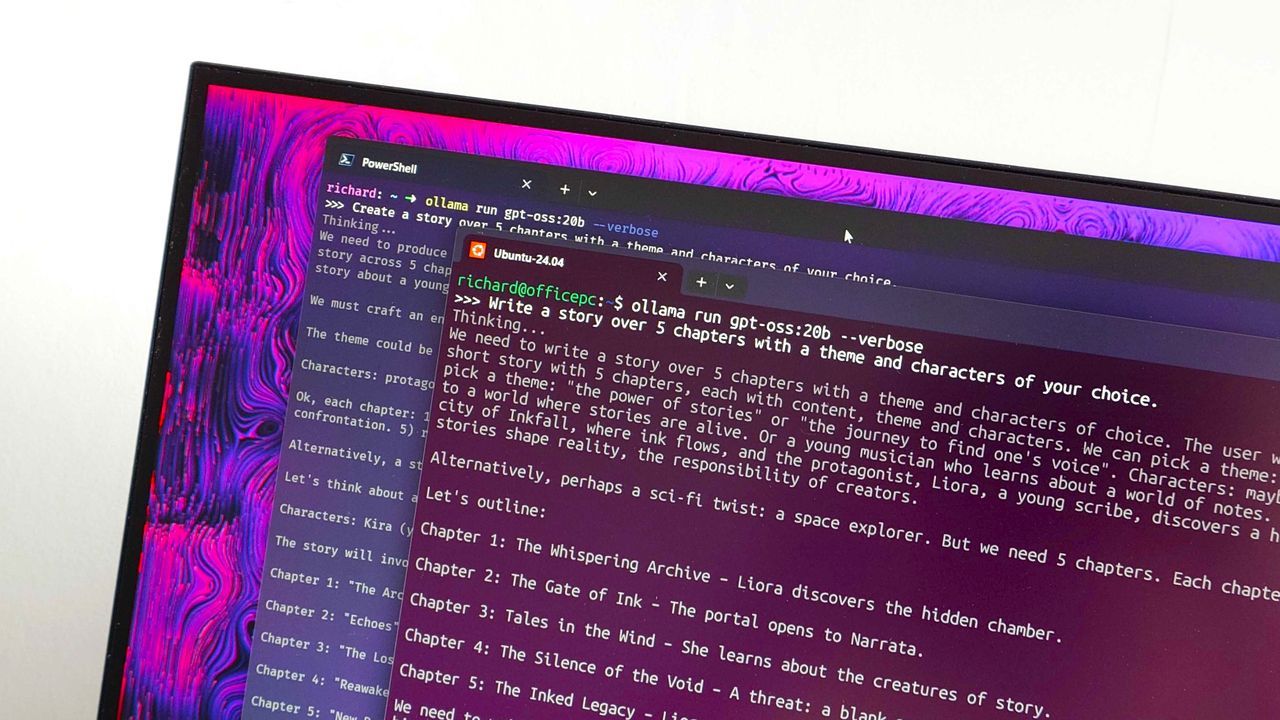
Imagine running the powerful world of Linux right inside your Windows 11 environment, without the hassle of virtual machines or complicated dual-boot setups. This isn’t science fiction; it’s the reality of the Windows Subsystem for Linux, or WSL.
WSL has quickly established itself as a powerhouse tool, especially for developers and system administrators who need access to cutting-edge Linux tools. But the real story isn’t just about convenience; it’s about a monumental shift in how the Linux community is interacting with the Windows ecosystem.
Recent insights from Canonical, the makers of Ubuntu, suggest that this integration is reaching critical mass. In a recent discussion, Canonical’s VP of Engineering, Jon Seagar, predicted that the growth in WSL usage is about to seriously eclipse the growth of native Ubuntu desktop users.
Seagar put it plainly: “In a year, the growth in our WSL numbers is significantly higher than the growth in Desktop usage numbers. I expect to see more Ubuntu WSL users than ‘native’ Ubuntu users over the coming months.”
This projection signals that WSL is not just a niche development trick; it is rapidly becoming the preferred bridge for users who want the power and flexibility of Linux without leaving the comfort of Windows 11. While Linux remains vast, Ubuntu’s massive popularity makes this trend particularly compelling.
The magic of WSL lies in its seamless integration. It provides access to essential Linux utilities, including tools increasingly vital for the age of AI, all while maintaining smooth integration with the existing Windows file system. For many professionals, the terminal is all they need, and WSL provides that access effortlessly.
It’s a perfect sandbox for learning, for professionals who need hybrid access, and for those who appreciate a streamlined workflow. Whether you prefer Ubuntu or another distribution like Fedora, the flexibility offered by WSL means you are not locked into a single operating system.
Microsoft continues to refine this hybrid approach, introducing further innovations like WSL Containers and integrating Linux environments directly into Azure, pushing the boundaries of what a unified desktop experience can be.
Ultimately, WSL isn’t just a feature; it’s a paradigm shift. It demonstrates that the future of computing lies in hybrid environments, offering the best of both worlds—the robust power of Linux and the ubiquity of Windows—in one incredibly convenient package.
Buy on Amazon
Credit