Xbox Cloud Gaming is free with ads access all your games
In a landscape dominated by free-to-play behemoths like Roblox and Fortnite, and where older gamers face increasingly steep prices, the gaming world—and specifically platforms like Xbox—is facing an existential challenge: how do they attract new users?
While hardware sales, driven by the memorypocalypse, have seen a short-term bounce for consoles like the Xbox Series X, the long-term outlook suggests fewer units sold than in recent years. Microsoft and its partners are not just chasing console sales; they are pioneering a fundamentally new way to deliver gaming content that cuts through the noise.
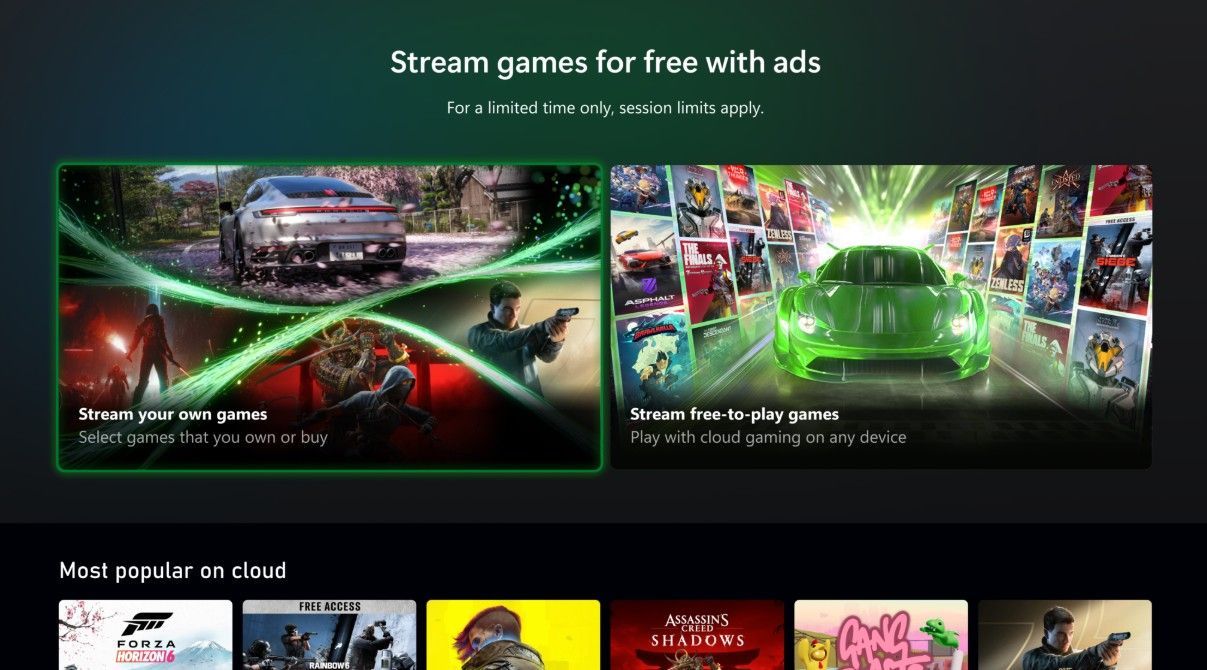
The answer isn’t necessarily another expensive console; it’s finding cheaper ways for people to play. Today, Xbox is testing an ambitious experiment: introducing a free, ad-supported tier for its long-rumored Xbox Cloud Gaming service.
This initiative aims to democratize access, offering vast libraries of digital content without the barrier of entry associated with expensive hardware. By letting players stream games from their library directly through a web browser—on any device—Microsoft is attempting to capture an audience that might otherwise bypass traditional console purchases.
The rules of the experiment are designed to put the player first. The free tier provides access to over 1,500 titles, allowing users to jump into their digital library immediately. The monetization strategy focuses on integrating advertisements in a way that enhances, rather than interrupts, the gaming experience.
Microsoft’s policy for the ad-supported service is refreshingly principled. Ads are strictly limited: they appear before a session starts, they do not interrupt gameplay, and they are never inserted into the game itself. This approach ensures that players maintain the flow of their experience while still supporting the platform.
The goal is clear: to use this access point as a bridge. By making it easier for people to try Xbox content, developers gain access to a wider audience, and older gamers can enjoy titles they missed without the hefty price tag of a new console. It’s an attempt to pivot from selling boxes to selling experience.
This philosophy is crucial in a crowded market. Instead of demanding users buy hardware, Xbox is using innovative delivery methods to engage players who are increasingly drawn to digital ecosystems. If these ad-supported models prove successful, they could fundamentally reshape how gaming content is discovered and consumed globally.
Buy on Amazon
Credit