Memory prices nearly double CEO warns of financial risk
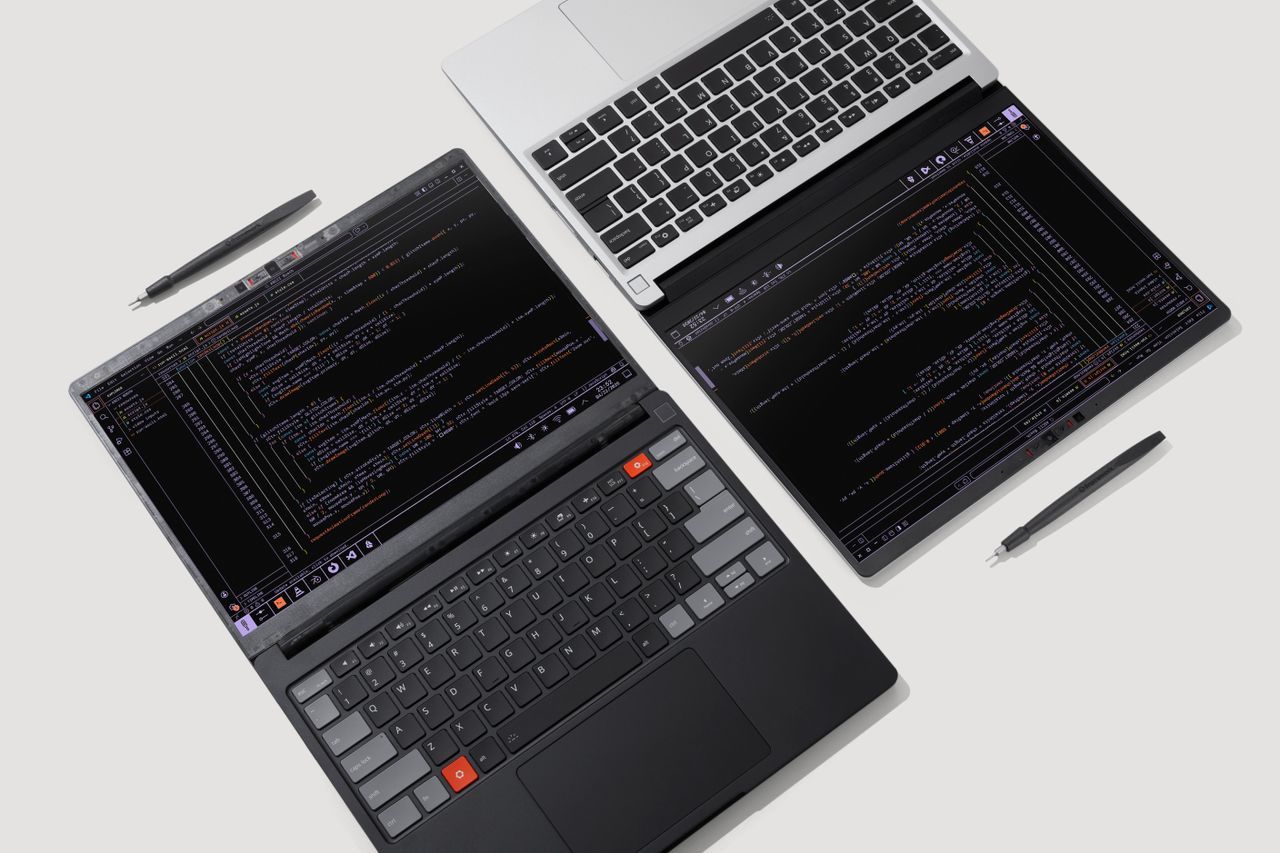
In a landscape defined by relentless supply chain turbulence, Framework is navigating a volatile market, and they’re taking a determined, calculated approach to price adjustments for their upcoming Framework Laptop 13 Pro. What started as a challenge in sourcing critical components has evolved into a fascinating exercise in strategic inventory management.
The core issue stems from the specialized memory required for certain configurations. Specifically, the LPCAMM2 memory used in the Intel Core Ultra Series 3 models experienced massive cost hikes—more than double the price of existing inventory. This reality forced the company to re-evaluate how they handle pre-orders and future build allocations.
Chief Executive Nirav Patel revealed that the cost updates for LPCAMM2 went far beyond initial predictions, pushing the team to operate under significant financial risk if they absorbed the costs passively. Instead of accepting a modest double-digit increase, Framework opted for a complex system designed to minimize impact on customers while balancing supply and demand.
The resulting strategy was a careful triage: prioritizing orders based on available inventory. For existing pre-order batches, Framework adjusted memory configurations across the board. They maximized the allocation of 64GB modules, then systematically transitioned orders to 32GB (at original prices), and finally down to 16GB for remaining allocations.
These adjustments resulted in significant price shifts for customers looking at the new configurations. While Framework maintains $239 for 16GB LPCAMM2 modules, the cost for 32GB memory jumped to $800, up from the original $439. Even the premium 64GB modules seen in pre-orders now reflect a price of $1,600, significantly higher than the initial $849.
Beyond memory, Framework is also adjusting pricing for systems and mainboards due to broader component inflation—including increased costs for X7 and X9 chips, Windows licenses, and general silicon components. This means that while they are working hard to manage supply, the overall cost of building these cutting-edge systems continues to evolve.
Despite the market pressures, Framework’s team has successfully managed the fallout by finding efficiencies in their supply chain, securing better deals on some components like 48GB DDR5 modules and various SSDs. The guiding principle remains clear: if prices rise due to external factors, customers who pre-ordered are still protected and charged what they originally agreed upon.
This dynamic balancing act showcases Framework’s commitment to its community, demonstrating how a company can turn unforeseen volatility into an intricate puzzle solved by careful planning and transparent communication. With the first batch of Laptop 13 Pro pre-orders set to ship in July, it remains to be seen how this strategy impacts the next generation of computing.
Credit
