AI Shortage Sparks Car Price Wars GM warns of cost hikes
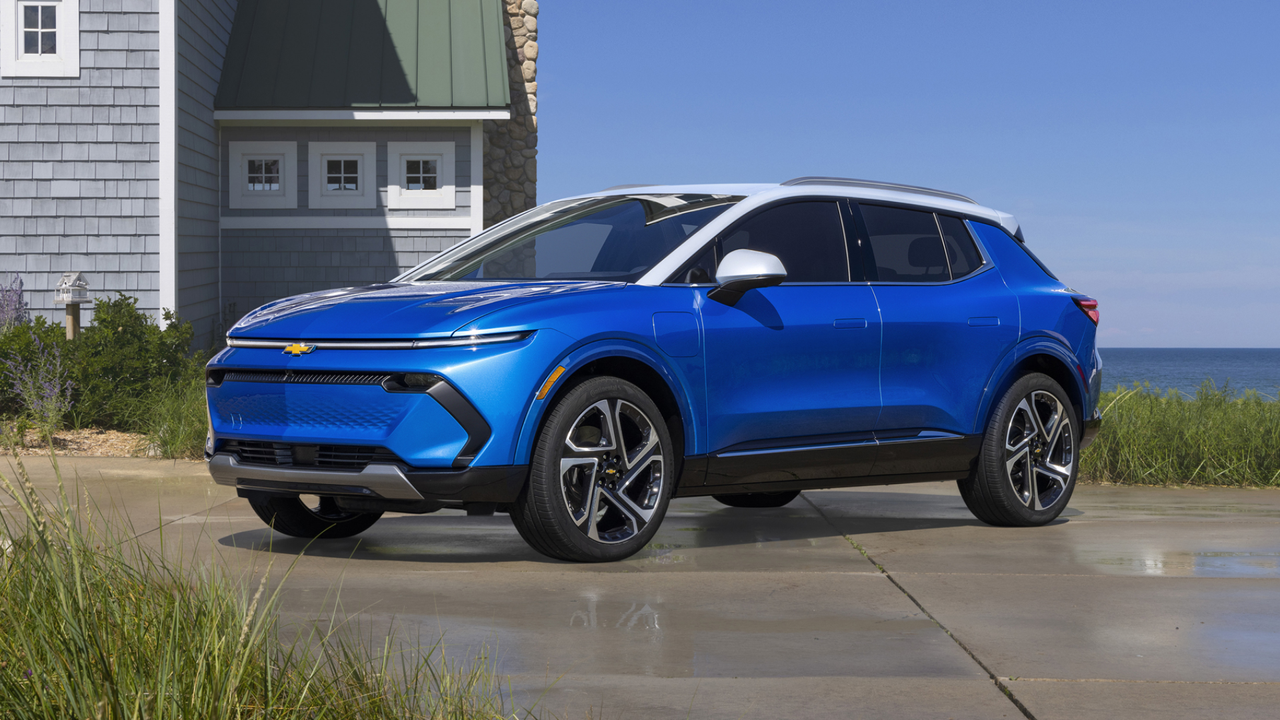
The current crunch for memory chips, which has caused headaches for PC builders and gamers alike, is proving to be a far more profound crisis when it reaches the automotive industry. What began as a silicon scarcity issue is now pushing major carmakers to rethink pricing and supply chains, illustrating how the digital revolution is rapidly transforming into a physical economic reality.
The link between advanced computing and vehicle technology is undeniable. As automakers integrate increasingly sophisticated driver assistance systems and in-car AI assistants, the demand for memory chips—specifically DRAM and NAND—is skyrocketing. Engineers must equip these new models with exponentially more processing power to handle the complex software and sensory data required by modern vehicles.
This isn’t just a small bump; it’s a fundamental shift in vehicle architecture. Industry analysts predict that cars equipped with level 4 autonomy, or self-driving capabilities, will require at least 300GB of RAM, essentially turning the vehicle into a mobile supercomputer. This escalating need for memory is fueled by advanced infotainment systems (requiring 4GB to 16GB), safety systems (8GB to 32GB), and centralized computing units that can demand up to 64GB or more.
But the challenge goes deeper than just raw capacity. The chips required for automotive use are highly specialized; they must withstand extreme temperatures, constant road vibrations, and harsh environmental factors—a level of validation that takes months or years longer than standard consumer electronics. This specialized requirement, combined with global chip shortages, creates a perfect storm.
The resulting pressure is now directly hitting the balance sheets of major manufacturers. General Motors, for example, expects cost increases driven by component prices, particularly DRAM, leading to an anticipated rise in vehicle costs this year. Meanwhile, global giants are making visible adjustments: Chinese automaker BYD has raised prices on driver assistance features by 20%, and South Korea’s Hyundai has called upon domestic chip manufacturers to solidify the local supply chain.
Ultimately, the memory chip shortage is having an outsize effect on the average car buyer. If these supply constraints persist, consumers could face further delays in vehicle deliveries and higher prices, exacerbating the already record-high cost of new vehicles. The story of the silicon shortage is no longer just about processors; it’s about how quickly the demands of artificial intelligence are reshaping the physical world around us.
Credit