Xbox 360 games hit PC making gaming history change
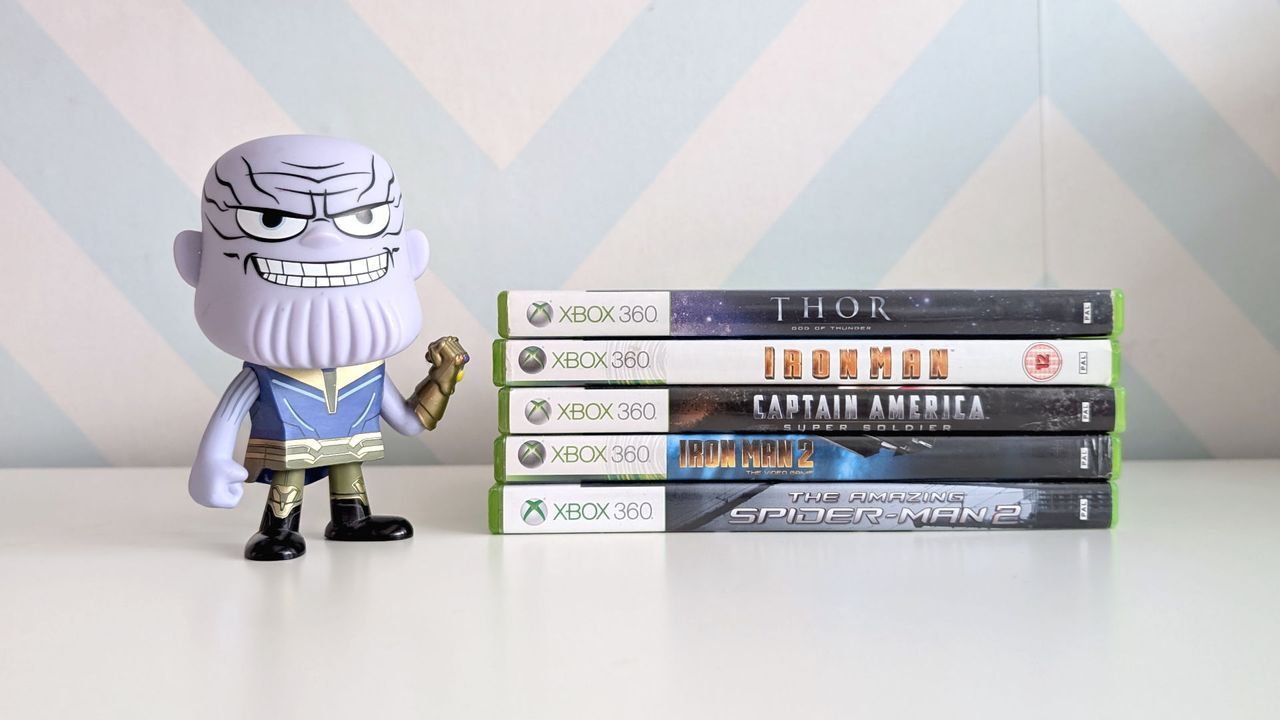
When you think about PC gaming, there’s a certain list of classics that immediately spring to mind. For many, it’s titles like BLiNX: The Time Sweeper, Conker: Live and Reloaded, Crimson Skies: High Road to Revenge, and Fuzion Frenzy.
Recently, news surrounding Xbox’s backward compatibility program on Windows PC has turned these nostalgic titles into a fascinating technical puzzle. While the initial announcement might seem like a small step, the underlying mechanism behind how Xbox is bridging this gap is anything but simple.
The core revelation lies in how Microsoft is handling the transition. The recently released OG Xbox games on PC are not running natively; they are instead operating through an Xbox 360 layer. This means that these classic titles are currently running inside an Xbox 360 emulator, which itself is running on Windows.
This intricate system relies on advanced emulation technology. Technical analysis of the store packages reveals labeling like “Xbox360BackwardCompatibil.“, offering a glimpse into the complex architecture at play. Users have noted deep-level signs within the operating system kernel, such as “XENON KERNEL EXITING,” which points to sophisticated emulation magic behind the scenes.
Specifically, the compatibility layer appears to utilize the Xenon Fusion (XeFu) emulator—the original Xbox emulator used by the Xbox 360. This establishes a nested generation of emulation: an OG Xbox game runs inside an X360 emulator, which runs on Windows.
This development fundamentally shifts the landscape for future console gaming on PC. The complexity involved in console emulation often centers on mastering the base architecture. If Microsoft has already established a functional layer that can handle Xbox 360 games on PC, the path to bringing the entire X360 library over is far more plausible than previously imagined.
The significance extends beyond these four launch titles. The ability to successfully implement this compatibility hints at a massive potential for game preservation. For many gamers who cherish console history, this move could be viewed less as a simple nostalgia play and more as a significant step toward ensuring the longevity of beloved game libraries.
Although Microsoft has yet to release an official roadmap or timeline for full Xbox 360 support on PC, there is growing optimism. Internal hints suggest that the long-term plans for this backwards compatibility are ambitious, positioning it as one of the most important customer service endeavors in video game history.
As technology continues to evolve, these foundational steps could pave the way for an even richer and more seamless experience across all gaming platforms.
Buy on Amazon
Credit