
Microsoft purges 32GB RAM recommendations for Surface laptops
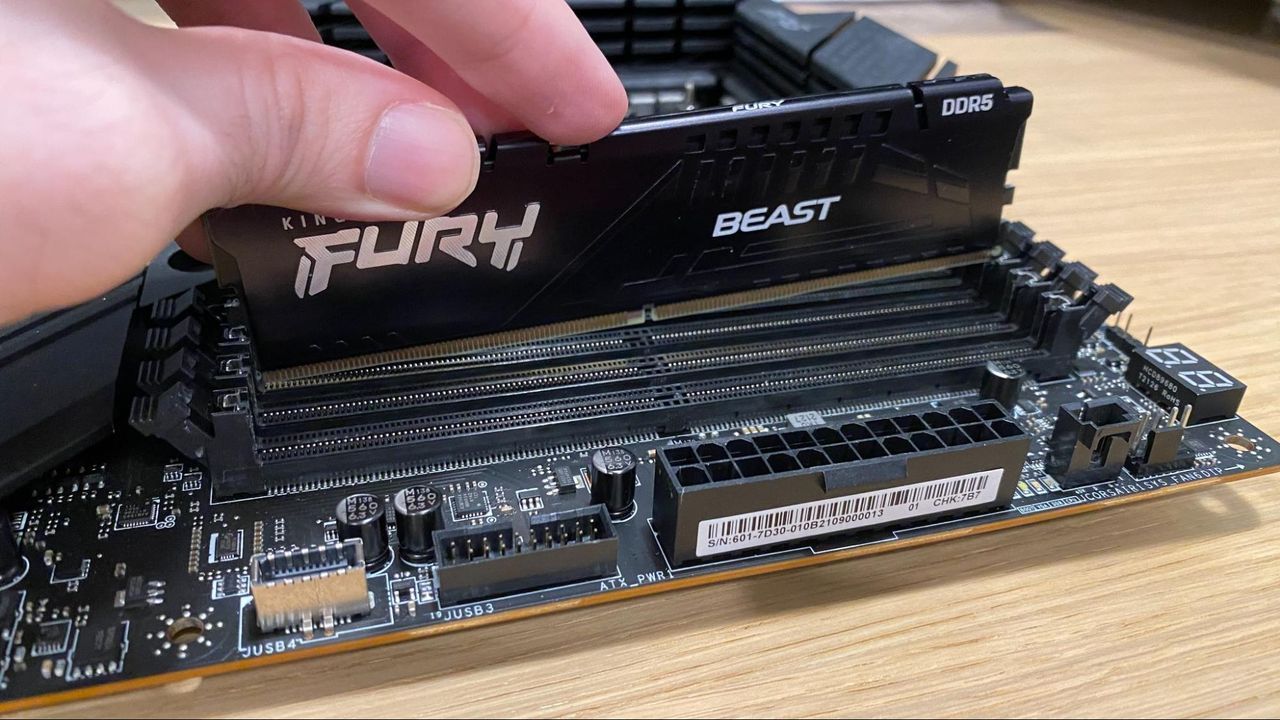
When hardware recommendations are made, they often serve as aspirational guides for the future. In the world of gaming and computing, Microsoft once offered a clear vision: 32GB of RAM was the “future-proof” configuration, while 16GB was the new practical starting point for enjoying Windows 11 smoothly. However, as component costs soar and the market shifts, that official roadmap seems to be evolving.
Recently, Microsoft has begun adjusting its guidance, removing references to those detailed recommendations. This shift reflects a broader reality: the economic pressure on consumers and manufacturers is forcing a recalibration of what constitutes a sensible computing setup. The ideal configuration is no longer dictated solely by performance potential, but by affordability and accessibility.
This change mirrors the wider trend sweeping through hardware manufacturing. Many producers are now releasing laptops that feature 8GB of RAM as their base offering. This move is part of a larger effort to keep devices affordable during component shortages, exemplified by Microsoft’s own decision to phase out budget models like the Surface Go and Surface Laptop Go, opting instead for more accessible 8GB configurations across its lineup.
Despite these market pressures, Redmond remains committed to ensuring that users are not left behind. The company has simultaneously promised significant internal optimization efforts, aiming to reduce the overall memory footprint of Windows 11 and make the operating system run more efficiently.
The challenge isn’t just about physical RAM; it’s about efficiency. While the minimum requirement for Windows 11 is modest, the proliferation of web-based applications and interfaces can consume significant system memory. Developers often find themselves wrestling with this overhead, as modern interfaces may not be as efficient as natively built applications.
This pursuit of efficiency echoes a long-standing philosophy within Microsoft. Decades ago, engineers focused intensely on making every piece of software—even foundational tools like the original Task Manager—as lean and fast as possible, ensuring acceptable performance even on limited hardware. The goal has always been to maximize functionality without wasting resources.
As memory modules become scarcer and pricier, this focus on optimization becomes paramount. Both Microsoft and its software developers are now facing an exciting opportunity to truly refine the Windows experience. The ongoing competition from platforms like macOS and Linux only heightens the need for a robust, adaptable operating system that can deliver peak performance while operating within current economic constraints.
Buy on Amazon
Credit