
Sovereign Tower: Murder, choices, and epic time travel
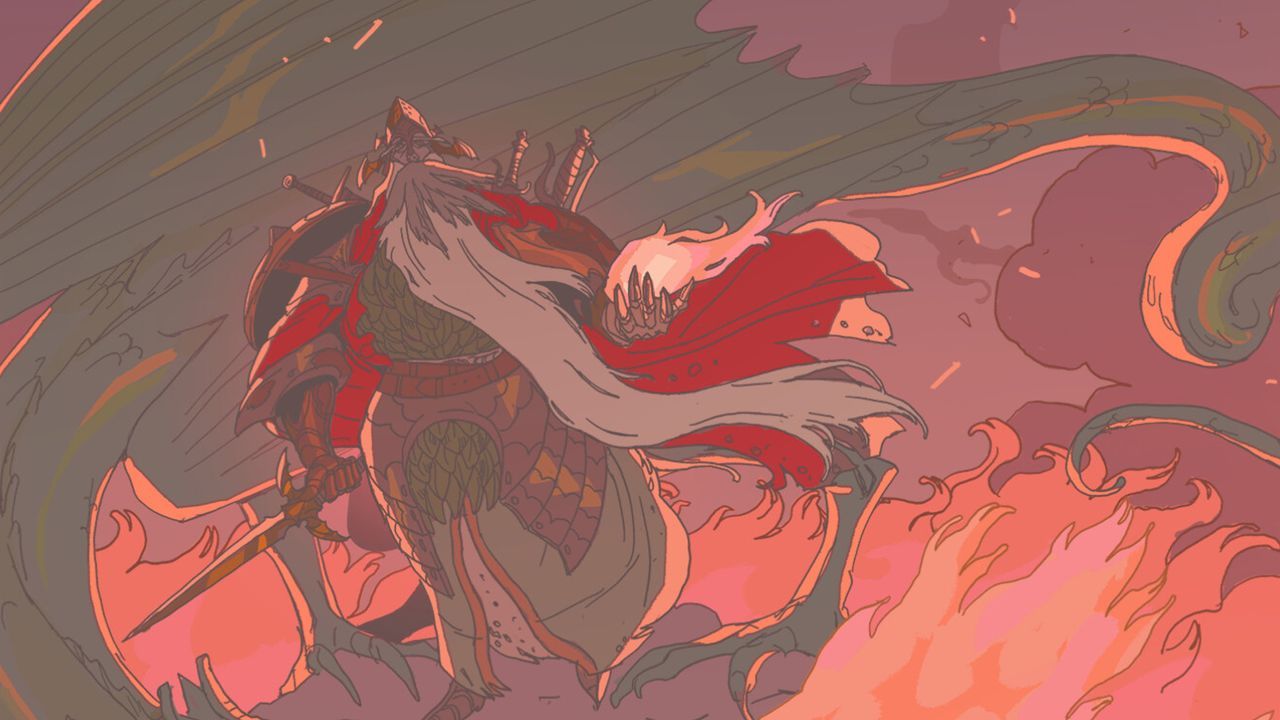
When you first encounter Sovereign Tower, it looks like a charming management romp—a delightful mashup of titles like Reigns and Yes, Your Grace. It’s colorful, slightly silly, and overflowing with charming eccentrics. But beneath that whimsical surface lies something far more complex and, frankly, a lot darker than the soft color palette initially suggests.
You open the door to a magic tower and instantly become the Sovereign, the leader of a nation navigating the choppy waters of the international stage. One moment you are an itinerant leper; the next, you’re the boss. What do you bring to this crown? Destiny whispers that you have what it takes.
The core gameplay follows a satisfying daily loop: holding audiences with commoners, diplomats, and fellow rulers, dispensing decrees and advice, and dispatching your knights on global quests. The choices you make—for your citizens, your knights, and the world—ripple through everything you touch.
Every quest demands a balance of skills, testing strength, charisma, luck, magic, and wit. But success isn’t just about raw stats; it’s about nuance. Each knight possesses hidden attributes, like a fear of crowds or a love for water, which can secretly influence their fate. This forces you to manage not just power, but the deeply personal eccentricities of your people.
This interwoven system creates surprisingly dense management decisions. To succeed in sending a knight into a gloomy forest, you might need to find an advisor who isn’t afraid of the dark—or ensure that their abilities are buffed with the right gear. The management side is rich precisely because it operates in tandem with this robust RPG system.
But the true gravitational pull of Sovereign Tower is the devastating mechanic lurking deep within its walls: time travel. At the heart of the tower lies an artifact inhabited by a demon that desperately wants you to use it.
This power allows you to rewind the clock after any unsatisfactory decision or scripted moment. If a quest goes wrong, or if a knight is lost, you can pull the timeline back. You retain all the knowledge gained from the alternate path, giving you entirely new options and unprecedented insight into cause and effect.
Imagine discovering that a beloved knight was murdered in the tower; instead of accepting the loss, you could travel back to intervene and prevent the tragedy. But this is more than just correcting an error; it’s the act of killing off an entire timeline. Do you risk erasing what you might have gained by making those choices?
This existential tension—the ethical quandary of manipulating history—is what truly elevates the experience. You are forced to confront weighty questions about morality and consequence, turning a simple game into a profound philosophical exercise. The temptation to meddle is immense, yet wrestling with this knowledge feels like the most potent feature of the game.
The result is a truly memorable journey where you play as a monarch capable of making ruthless choices—even poisoning rivals for the sake of a horse race—and then agonize over whether it was worth changing history. Sovereign Tower doesn’t offer easy answers, and that is perhaps the very best part of the experience.
Buy on Amazon
Credit