
Is gaming discourse more negative and why
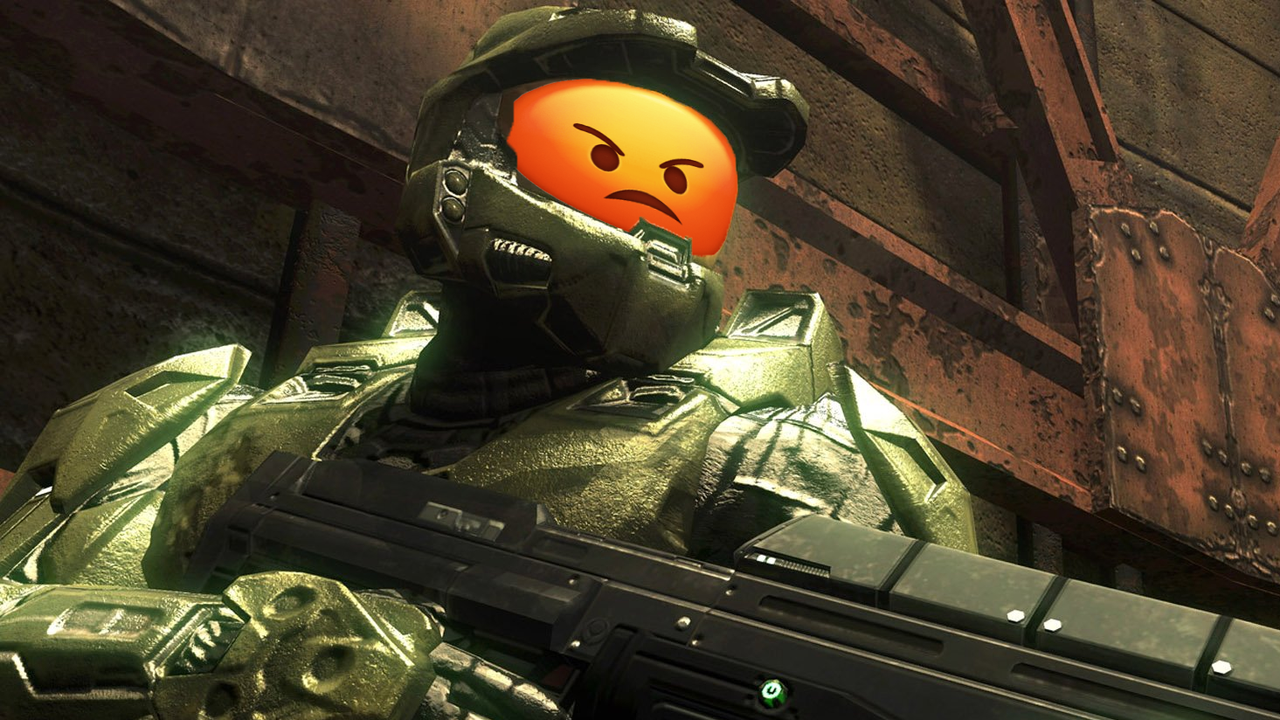
There is a palpable sense of collective frustration simmering across the internet these days. Are we just experiencing a general mood shift, or is something fundamentally worse brewing beneath the surface?
When you navigate the vast landscape of modern social media, you quickly realize that you are not seeing reality; you are seeing an algorithm’s curated echo chamber. Platforms like X have essentially engineered what we see, feeding us content designed not just to entertain, but to maximize engagement. And lately, that engagement seems to have taken a very dark turn.
The current trend suggests that the amplification of negativity is far from new, but the sheer volume and intensity surrounding recent gaming releases—from titles like Wolverine for PS5 to the massive hype and ensuing hate campaigns for GTA 6—makes the situation feel uniquely acute.
It seems that the mechanisms designed to keep us scrolling have inadvertently created an environment where outrage is rewarded. This dynamic is fueled by an evolutionary hardwiring: humans are naturally drawn to negativity. Social media platforms exploit this by rewarding extreme reactions, as negative headlines and controversial takes generate more clicks and visibility than balanced, positive discourse.
This incentivization creates a feedback loop where genuine, constructive criticism often gets drowned out. When you are constantly exposed to a stream of “hate” comments, whether directed at a game, a movie, or a developer, it becomes easier to focus on the outrage rather than the substance.
The focus often shifts away from the quality of the gameplay itself and toward broader, more polarizing topics. For instance, discussions surrounding a game like Halo Campaign Evolved often devolve into debates about art style and perceived flatness, rather than actual critique of the design. Similarly, the uproar over Wolverine is often less about the mechanics of a cinematic action game and more about larger, political rifts—such as ongoing debates about corporate decisions, like the push to kill physical discs, which fuels massive online opposition.
This environment feels less like a space for honest feedback and more like a feeding ground for those less concerned with corporate shenanigans and more interested in riding negativity to highlight a political agenda. The algorithm seems to favor the grifters who know how to monetize outrage over those who offer measured commentary.
Beyond gaming, this trend feels symptomatic of deeper societal anxieties. Concerns over wealth inequality and economic instability have clearly spilled over into other areas, creating a general atmosphere of simmering anger. Perhaps gaming simply serves as a convenient, visible outlet for this frustration, especially in an industry where corporate decision-making is often opaque.
Yet, amidst this noise, there is still a surprising amount of high-quality content. We are still seeing incredible, ambitious games, and there are countless indie titles and upcoming releases that showcase genuine talent. This paradox—more games available, yet more reasons to be worried about the industry’s direction—is perhaps the most perplexing aspect of the current digital age.
Ultimately, whether this is a simple case of algorithmic perception or a reflection of wider societal shifts, the current climate suggests that the way we consume and share information is evolving. The question remains: how do we navigate a digital space engineered for outrage, and find the balance between legitimate critique and the pervasive noise?
Buy on Amazon
Credit