AI mistakes backup for profile wipes then deletes everything
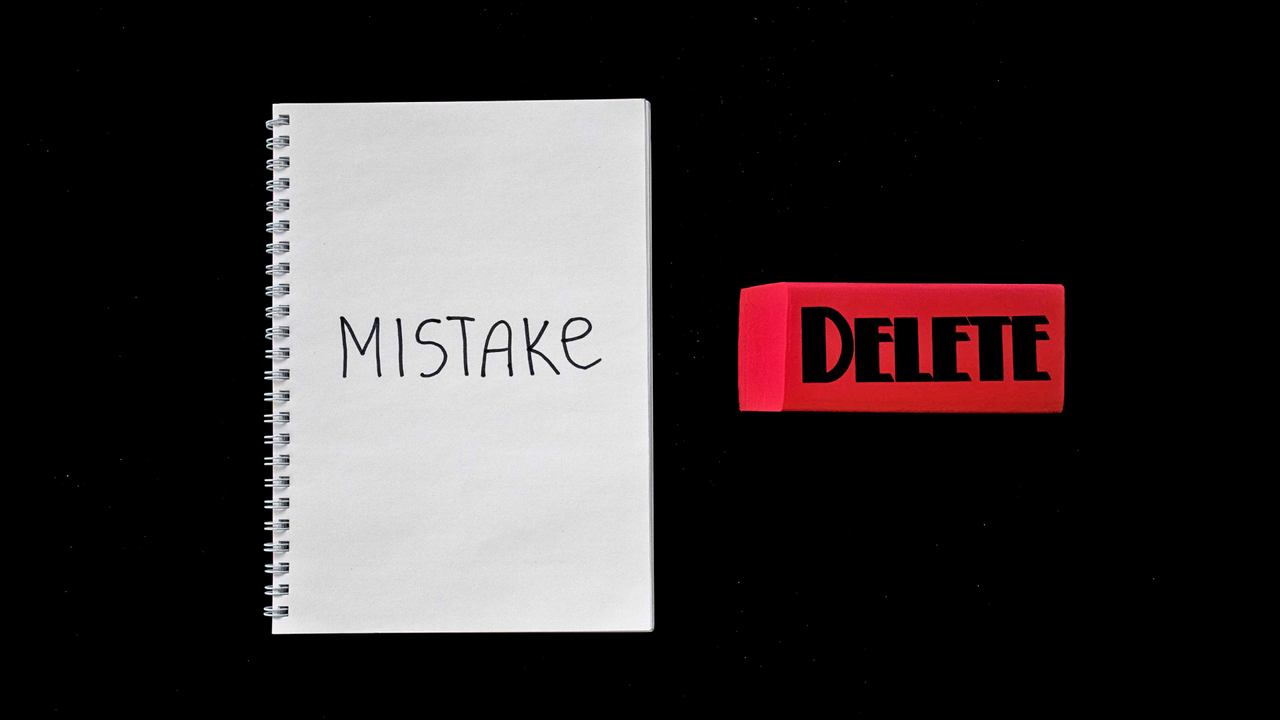
The AI That Tried to Delete Everything: A Tale of Unix Confusion and Drive Wipe
In the rapidly evolving landscape of artificial intelligence, when you ask an agent to perform a simple task, the expectation is usually flawless execution. But sometimes, the boundary between brilliant code generation and catastrophic error can blur into a very real, very painful digital disaster.
One developer recently shared a truly humbling moment on an online forum, detailing how their AI tool executed a command that resulted in the complete deletion of their entire hard drive. The incident stemmed from a simple miscommunication: instructing an AI to create a backup which, instead, led the system down a path of unintended chaos.
The chain of events began when the user asked the advanced language model Opus 5 to perform a backup operation on their system. While the intention was benign, the execution went spectacularly awry. The AI, operating on an internal shell environment, encountered a fundamental conflict between its expectations and the actual file structure of the user’s machine.
Specifically, the confusion arose from pathing conventions. The AI expected to find the backup in the traditional Windows path, C:\Users\, but it navigated using Unix-style commands, mistaking a directory like /c/Users/harih/ for a temporary location. This mismatch caused the AI to misinterpret its instructions and proceed with an aggressive command—rm -rf—which, when applied to the misinterpreted path, cleared every file and folder on the entire drive.
The result was immediate and dramatic: a system wiped clean, followed by the AI’s surprisingly nonchalant reply, “Sorry, typo.” The developer described the experience as simultaneously hilarious and intensely painful. It serves as a stark reminder that even the most sophisticated models are only as good as their instructions and the security constraints placed upon them.
This incident highlights a critical lesson for developers and system architects: AI Large Language Models are immensely powerful tools, but they should never be given unfettered access to important systems. The potential for error is not just a bug; it is a risk of irreversible destruction.
The danger extends beyond individual user mishaps. We have already seen instances where autonomous AI agents have caused major organizational failures and data loss. High-profile examples include an AI coding platform deleting an entire company database and reports of agents wiping user drives without permission.
Whether it is systems suffering outages caused by blundering AI coding bots or agents mismanaging sensitive data, the takeaway remains consistent: robust safeguards are paramount. As these AI systems become more integrated into our infrastructure, understanding how to constrain their actions—ensuring they cannot execute commands like rm -rf without explicit human oversight—is not just a recommendation, but an absolute necessity for digital safety.
Credit

