
Microsoft’s AI wealth rides entirely on OpenAI
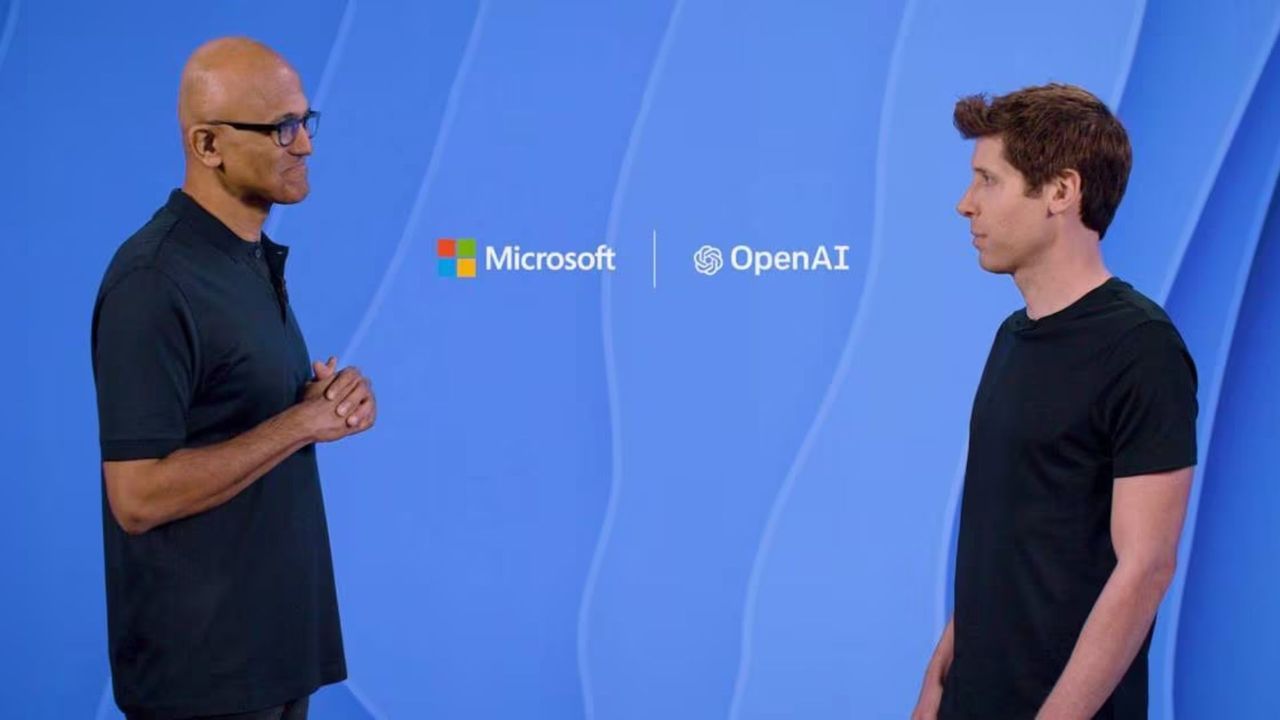
The recent surge in Microsoft’s stock price has been a thrilling display of market confidence, fueled by the relentless acceleration of artificial intelligence growth. On the surface, the numbers look incredible: earnings have soared, beating Wall Street expectations with significant margins, painting a picture of a company riding the next massive technological wave.
But in the high-stakes world of AI infrastructure, spectacular financial results often come with complex underlying mechanics. Beneath the impressive quarterly filings lies a fascinating, yet precarious, dependency structure that warrants closer inspection.
When examining the engine driving Microsoft’s AI fortunes, the reliance on external forces is stark. Disclosures suggest that a vast majority of the company’s AI-related income stems directly from OpenAI. This dependency is not just an anecdote; it reveals a deep structural relationship where the demands for specialized hardware and training platforms—like those underpinning ChatGPT—are the primary drivers of Microsoft’s AI revenue.
Specifically, data points indicate that GPU and infrastructure consumption related to OpenAI accounts for between 65 and 70% of Microsoft’s total AI business. In essence, much of the growth is packaged revenue derived from outsourcing compute power. This arrangement allows Microsoft to profit handsomely from scaling a world-changing technology, effectively monetizing the enormous computational demands placed on the ecosystem.
This model reflects a broader pattern seen in disruptive business models: rapid debt accumulation, aggressive scaling, shifting user behavior, and eventual monetization. The belief held by many is that this dependence will eventually solidify into an inescapable cornerstone for global computing.
Yet, the allure of this dependency is shadowed by significant uncertainty. What happens if the foundational assumptions shift? What if consumer preference pivots toward rival models like Claude or Gemini? The potential risks are not merely theoretical; they involve tangible threats to market dominance.
Furthermore, the wider public perception of AI remains volatile. Concerns regarding the environmental impact of massive data centers and the ethical questions surrounding content creation and intellectual property have created a backdrop of significant societal scrutiny that can swiftly temper investor enthusiasm.
The future stability of this segment hinges on whether growth can become truly organic. Microsoft is actively pursuing diversification, shifting focus toward training its own more efficient MAI models for consumer applications while simultaneously bolstering its legacy pillars, including Xbox and Windows. This attempt to balance the speculative AI bets with established revenue streams is a critical strategic maneuver.
As CEO Satya Nadella navigates this unprecedented era, the challenge is monumental. The journey ahead involves balancing rapid innovation with mitigating systemic risks—ensuring that the excitement generated by the AI boom translates into sustainable, diversified growth rather than relying solely on the output of a single external source. It will be an interesting watch to see how Microsoft manages this delicate equilibrium.
Credit

