NY bans large data centers and targets tax breaks
The Great Data Center Pause: New York Leads the Way in Seeking Sustainable Infrastructure
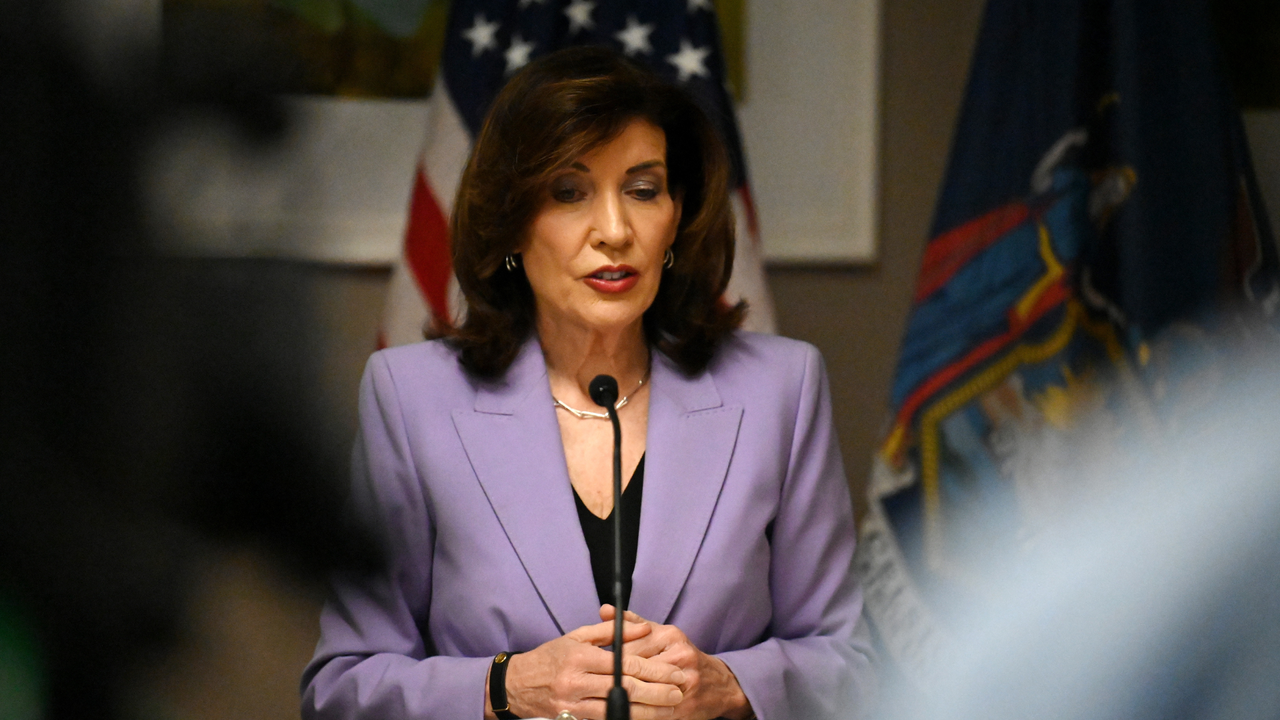
New York has taken a bold step toward balancing the explosive growth of artificial intelligence infrastructure with environmental and public concerns. Governor Kathy Hochul signed the Responsible Data Center Development Act, or Senate Bill S10642, establishing a one-year moratorium on new data center developments statewide. This move marks the first temporary ban of its kind enforced across the United States, signaling a necessary pause in an industry that is rapidly reshaping our energy landscape.
The decision stems from mounting pressures. As demand for AI computation skyrockets, the infrastructure required to support it places immense strain on utility bills, depletes natural resources, and raises significant uncertainty for New Yorkers. Governor Hochul emphasized that this action is about taking responsibility and leading a transition toward sustainable development.
The moratorium targets large-scale projects—those with a capacity of 50 megawatts or more—and instructs the state’s environmental regulators to halt the issuance of permits for any unfinished developments. To ensure future projects meet high standards, the state is also establishing a Generic Environmental Impact Statement (GEIS), ensuring that construction and operation efforts are scrutinized for their environmental footprint.
While the moratorium provides crucial time for careful planning, it does not halt innovation. The larger context reveals a nationwide pushback against unchecked buildouts. Across the country, over 75 data center projects worth an estimated $130 billion have already been successfully delayed in the first half of this year, demonstrating a collective concern over soaring power and water costs.
The environmental scrutiny is intense. Massive AI data center buildouts are fueling energy demands that trigger dramatic price hikes—one region saw an “irreversible” 76% electricity price spike due to data center demand alone. Furthermore, concerns over water consumption and air and noise pollution have fueled public opposition; now, a significant majority of Americans, reportedly 70 percent, oppose having a data center built near their homes.
This tension between technological advancement and environmental stewardship is driving radical innovation. Tech giants are no longer waiting for regulation; they are actively developing solutions to make the infrastructure more sustainable. Companies like Microsoft and Nvidia are leading the charge with advanced cooling systems designed to slash energy consumption and water use by up to 100 percent, utilizing methods that operate far more efficiently than traditional setups.
Even more ambitious breakthroughs are emerging from the startup sector. Visionaries are exploring entirely new power sources, including small modular reactors (SMRs) and closed-loop cooling technologies powered by advanced materials. These efforts aim to deliver the immense power needed for AI infrastructure without exacerbating environmental strain or straining local power grids.
The data center debate is rapidly evolving from a purely infrastructural issue into a fundamental discussion about how we power the future. By pausing development and demanding accountability, New York is setting a powerful example: it’s possible to build the next generation of AI infrastructure in a way that respects both technological ambition and environmental responsibility.
Buy on Amazon
Credit