Intel invests $5.7B in Ireland fab to boost Xeon 6 output
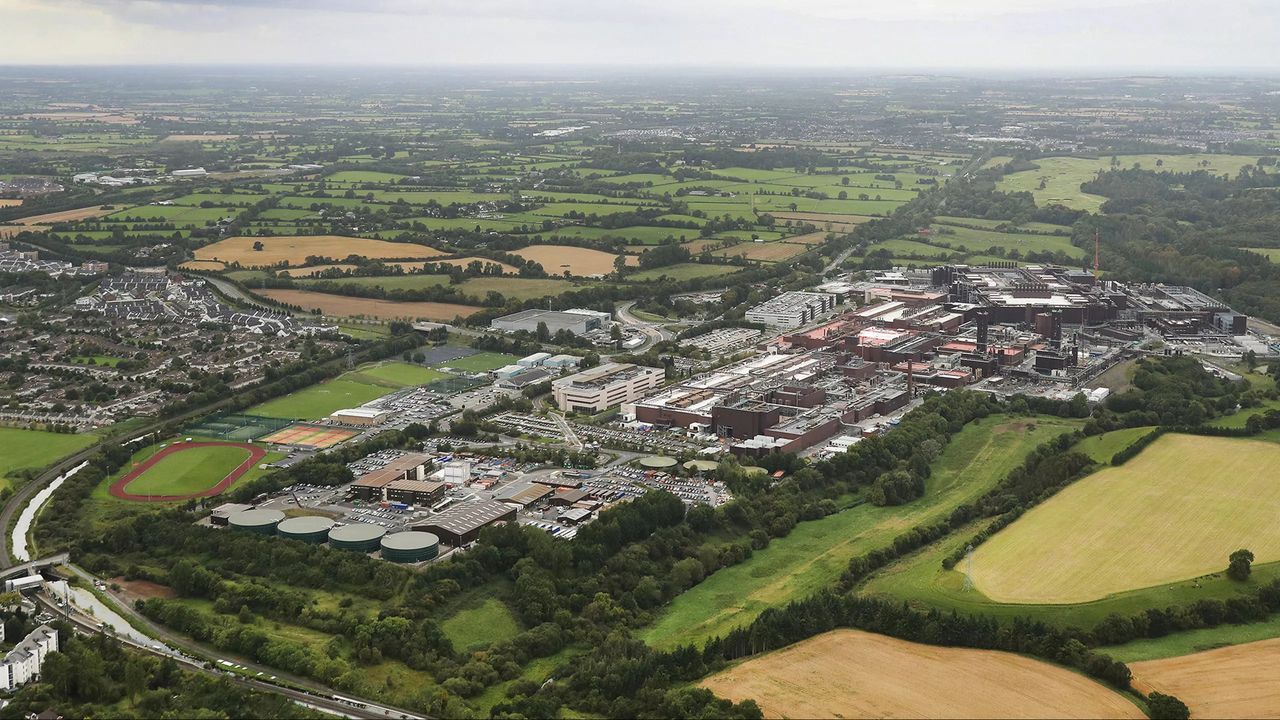
A massive investment is reshaping the heart of Europe’s semiconductor industry. Intel has committed €5 billion, or approximately $5.7 billion, to expand and modernize its manufacturing operations at its facility near Leixlip, Ireland. This ambitious project isn’t just about bigger factories; it’s a strategic move designed to solidify the region’s role in the global technology landscape.
The goal of this transformation is clear: to dramatically increase production capacity for next-generation Intel Xeon processors and other advanced components built using the cutting-edge Intel 3 fabrication process, which leverages 3nm-class technology. This expansion also incorporates significant research and development activities, ensuring that the facility remains at the absolute forefront of technological innovation.
The physical upgrades involve installing new, state-of-the-art tools, including those presumably at Fab 34, alongside extensive infrastructure improvements aimed at boosting manufacturing efficiency. Crucially, this modernization focuses on optimizing existing cleanroom capacity rather than expanding it, demonstrating a focus on smarter, more efficient production methodologies.
This facility is already a powerhouse, having hosted Europe’s only high-volume semiconductor production site utilizing EUV lithography tools. Now, the investment aims to leverage that expertise to scale up production and bring even greater advanced manufacturing capabilities to the European continent.
The project also features sweeping operational changes, including the installation of a new automated material transport network. This system will seamlessly connect separate manufacturing modules into a single, high-speed production system, promising streamlined workflows and enhanced efficiency across the entire campus.
Beyond the technical specifics, the investment is deeply rooted in geopolitical strategy. Intel positions this initiative as a critical step toward strengthening Europe’s semiconductor supply chain and advancing the European Union’s goals for technology sovereignty by boosting domestic production of leading-edge CPUs.
While some argue about where the final assembly occurs, the move undeniably ensures that advanced manufacturing ecosystems remain centered in Ireland. As Intel’s executive team noted, this investment not only increases output of critical processors but also cements the region’s position at the vanguard of the world’s most advanced technology.
Buy on Amazon
Credit