
RTX 50-series GPU prices jump 39% due to Blackwell hikes
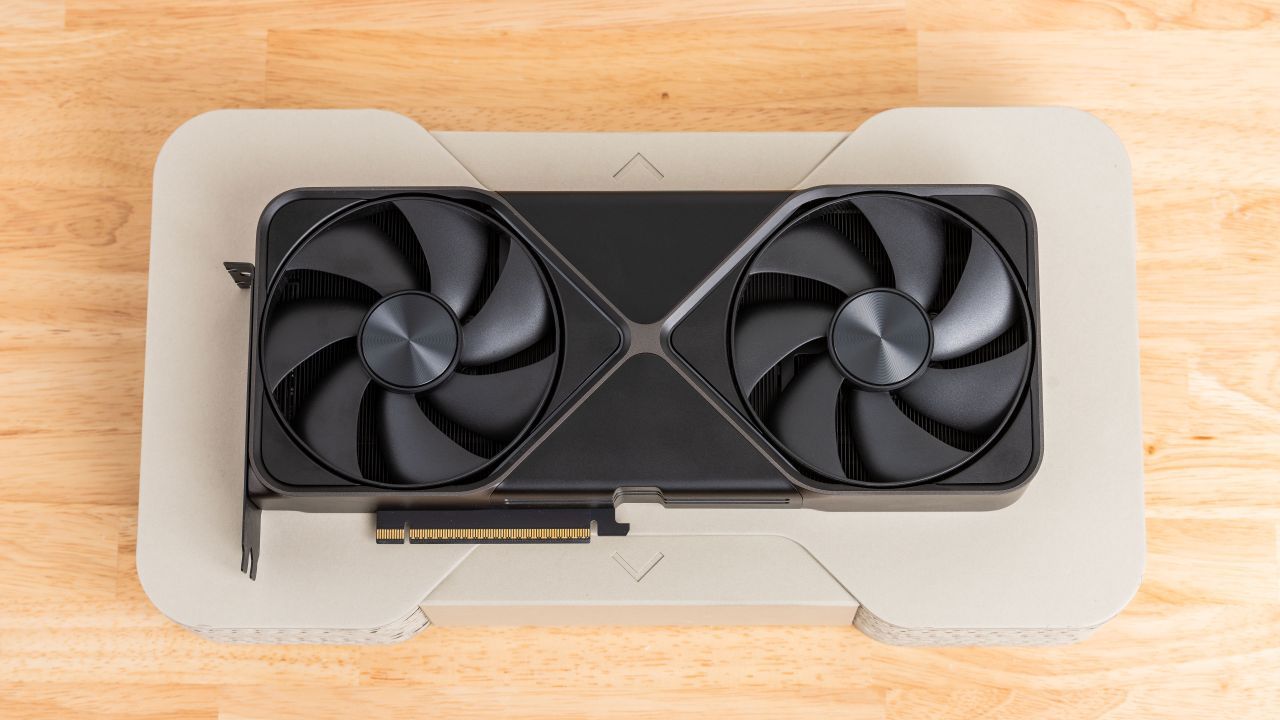
We’ve all felt the pinch of rising costs, but for enthusiasts building custom PCs, the recent price adjustments for Nvidia’s cutting-edge graphics cards have landed with a heavy thud. The news isn’t just about incremental changes; it signals a significant escalation across the board for Blackwell GPUs in the United States e-tail market.
When we track consumer pricing for these powerful new models, particularly focusing on median prices—which reflects what you’re most likely to find in stock rather than artificially low MSRPs—the story becomes starkly clear. The previous era of relative affordability is officially over, replaced by a period of eye-watering expense.
Consider the entry point: the RTX 5060, which was previously priced around $369.99 at the midpoint. Now, that same card has jumped to $469.99, representing a solid 27% increase in median pricing across e-tailers.
The impact is most visible in the mid-range segment. The RTX 5060 Ti series, once considered relatively stable, is now experiencing dramatic inflation. For example, the median price for the RTX 5060 Ti 8GB card has climbed to $529.99, marking a notable increase of about 13 to 15 percent over recent figures.
The situation becomes particularly acute with high-VRAM options. The RTX 5060 Ti 16GB has seen an astonishing jump, reaching a median price of $799.99. This represents a staggering 38% increase compared to previous calculations. This surge suggests that these high-VRAM cards are now positioned less as mainstream gaming choices and more as specialized tools for AI exploration.
Even the higher-tier RTX 5070 has been noticeably affected, leaping by an incredible 29 percent across median price points to range between $850 and $900. This places these cards squarely closer in price to their more powerful siblings, blurring the lines for what constitutes a true “midrange” component.
While some of the flagship RTX 5080 models have remained relatively steady compared to their high MSRPs, the overall trend indicates that the middle of the Blackwell lineup is taking the brunt of these market hikes. This shift highlights how broader economic pressures—driven by soaring costs for RAM and SSD components—are ultimately filtering down into the cost of core gaming hardware.
Interestingly, this price pressure has not been mirrored equally on the competition from AMD. While Nvidia’s pricing has soared, we are only seeing single-digit percentage increases in RDNA 4 card prices compared to our last survey. This suggests that the supply chain dynamics and silicon crunch might be impacting both ecosystems, though the market is certainly feeling the weight of these recent changes.
Buy on Amazon
Credit